Why Modern Wealth Management Requires the Best Family Office Accounting Software

The best family office accounting software in 2026 does far more than track transactions — it unifies investments, banking, and accounting across dozens of entities in real time.
If you need a quick answer, here are the top platforms to consider:
| Platform | Best For | Key Strength |
|---|---|---|
| Asseta | SFOs & MFOs | Unified accounting, banking, and investments in one platform |
| Sage Intacct | Mid-to-large family offices | Multi-entity consolidation, GAAP compliance, $1.3T+ AUM managed |
| Masttro | Complex global portfolios | 700+ custodial connections, Agentic AI, alternative asset support |
| Asset Vantage | SFOs & MFOs | General ledger + portfolio management in one system |
| SumIt | Offices wanting simplicity | One-click multi-entity consolidation, 6-week implementation |
| Archway Platform | Established family offices | 360-degree wealth view, 200+ standard reports |
| Gravity Software | Multi-entity accounting | Microsoft Power Platform integration, intercompany automation |
Managing wealth across multiple entities, asset classes, and currencies is genuinely hard. Spreadsheets break down fast. Manual reconciliation eats hours. And when a family’s financial structure spans trusts, LLCs, private equity holdings, and real estate — the complexity grows quickly.
42% of family offices still rely on spreadsheets, according to The Family Office Operational Excellence Report 2025. That’s a serious risk — both for accuracy and for the time it costs your team every single month.
The right software fixes this. Purpose-built platforms now handle multi-entity consolidation, automate intercompany transactions, integrate directly with custodians and banks, and generate audit-ready reports — all without manual effort.
The Shift from Spreadsheets to Specialized Systems
As family offices scale, the “QuickBooks + Excel” approach often hits a wall. When you are managing more than $1.3T in collective AUM, as Sage Intacct users do, the stakes for accuracy are incredibly high. Relying on manual data entry introduces human error that can jeopardize wealth protection and compliance.
Modern offices are moving toward integrated suites that provide a single source of truth. These systems offer real-time visibility into performance and cash flow, allowing principals to make informed decisions rather than waiting weeks for a month-end report. For those looking for the best deals on enterprise-grade tools, the investment in specialized software pays for itself through massive efficiency gains.
Essential Capabilities for Complex Entity Management
When we evaluate the best family office accounting software, we look for features that address the specific headaches of high-net-worth wealth management. A standard business accounting tool won’t cut it because it isn’t designed for the “spiderweb” of ownership typical in a family office.
Core Accounting Requirements
To effectively manage a modern office, the software must include:
- True General Ledger (GL): A robust GL that serves as the foundation for all transactions, including assets, liabilities, and equity.
- Intercompany Automation: The ability to automate transactions between entities (like a loan from a trust to an LLC) without manual journal entries.
- Multi-Currency Support: Essential for global families holding international real estate or foreign equities.
- GAAP Compliance: Ensuring that all financial statements meet audit requirements and standard accounting principles.
- Audit Trails: Every change must be tracked to ensure data integrity and security.
Investment and Banking Integration
You shouldn’t have to manually type in brokerage statements. The top platforms offer seamless connectivity:
- Banking Feeds: Direct links to banks via Plaid or similar aggregators for real-time cash tracking.
- Investment Integration: Connectivity with tools like Addepar or Black Diamond, and direct feeds from over 700 custodians worldwide.
- Alternative Asset Tracking: Specialized modules for private equity, hedge funds, and “passion assets” like art or yachts.
For a deeper look at how these systems handle complex structures, check out this guide on Family Office Accounting Software | Multi-Entity Financial Management.
Evaluating the Best Family Office Accounting Software for Multi-Entity Needs
Multi-entity management is the “make or break” feature. The software must support consolidated reporting, allowing you to see the big picture across all entities while still being able to drill down into a single partnership.
Advanced platforms use entity mapping and proportional ownership logic. If a family member owns 25% of a specific fund, the software should automatically reflect that share in their individual reports. Furthermore, automatic eliminations ensure that intercompany debts don’t “double-count” assets on a consolidated balance sheet.
Why Security is Non-Negotiable in the Best Family Office Accounting Software
In 2026, cyber threats are more sophisticated than ever. Family offices are prime targets for data breaches. The best family office accounting software must prioritize:
- Military-Grade Encryption: Protecting data both at rest and in transit.
- SOC Compliance: Certifications like SOC 1 or SOC 2 ensure the provider follows rigorous security protocols.
- Role-Based Permissions: Ensuring a junior accountant can see bills but not the principal’s total net worth.
- Secure Hosting: Most leading platforms, such as Ledgex Pro, utilize secure private clouds like AWS to host data with 99.9% uptime.

Leading Platforms and Their Core Functionalities
Choosing the right platform depends on your specific “flavor” of complexity. Some offices prioritize investment tracking, while others need heavy-duty general ledger functionality.
Asseta: The Intelligent Suite
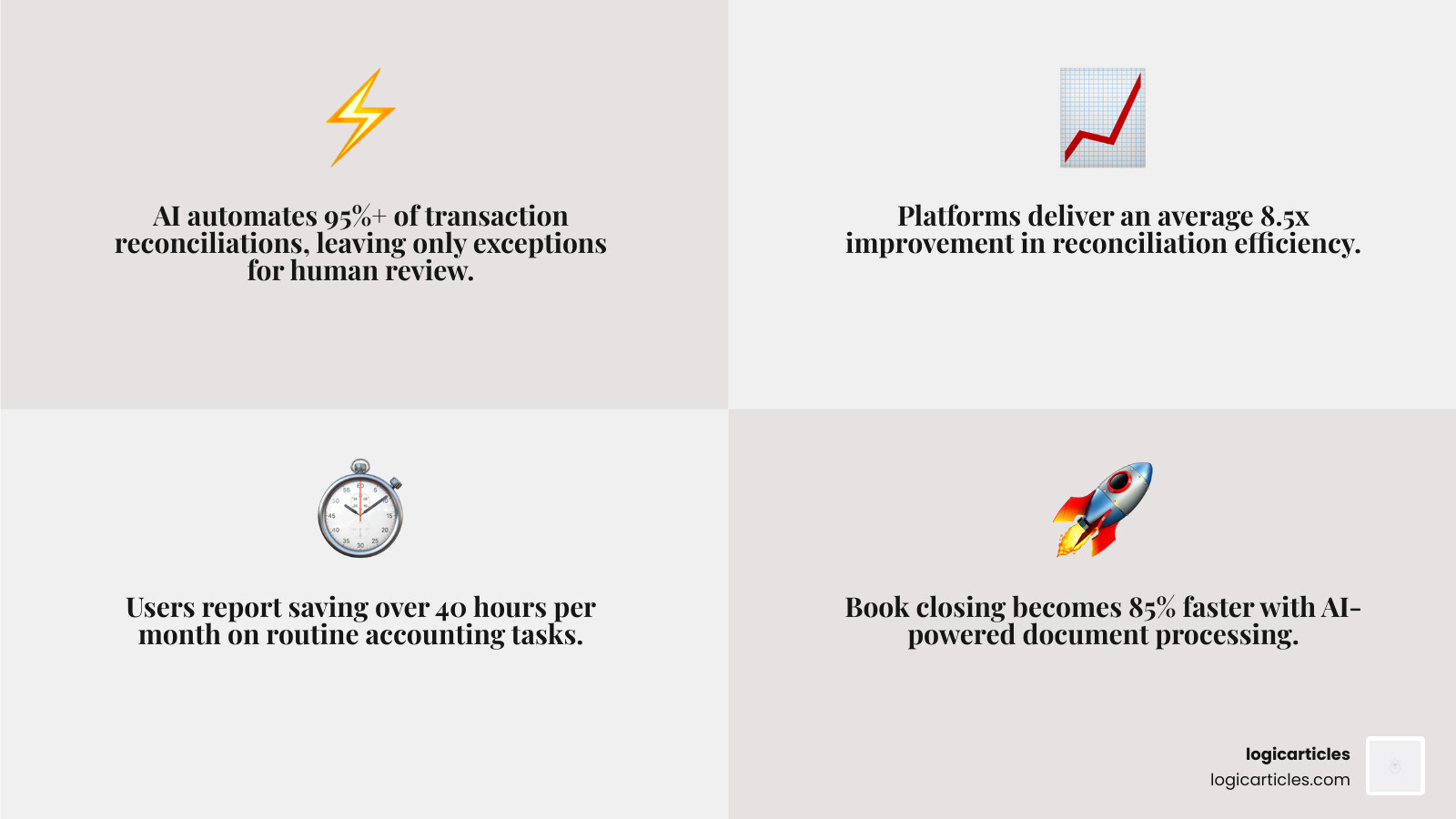
Asseta is often cited as a top replacement for QuickBooks. It is purpose-built to unify accounting, banking, and investments. Their users report closing books 85% faster and reconciling accounts 8.5x more efficiently. It’s designed for those who want a modern, AI-first experience that handles intercompany activity automatically.
Sage Intacct: The Industry Heavyweight
Collectively, family offices use Sage Intacct Family Office Accounting Software | Sage US to manage over $1.3T in AUM. It is famous for its “continuous consolidation” feature, which can save teams over 40 hours a month on manual report preparation. It is highly scalable and remains a top choice for large multi-family offices (MFOs) that require strict GAAP compliance.
Masttro: The Global Consolidator
Masttro excels at providing a “Global Wealth Map.” It integrates with over 600 direct-feed custodians and uses Agentic AI to process complex documents. It is particularly strong for families with significant alternative assets and a need for high-end data visualization.
Archway Platform: The 360-Degree View
The Accounting Software for Family Offices | Archway Platform offers a massive ecosystem of over 200 standard reports. It was built specifically to eliminate disconnected technology, providing a single ecosystem for accounting, investment analytics, and bill pay.
Asset Vantage: The Financial Operating System
Asset Vantage – Family Office Software Platform for SFOs & MFOs is unique because it was built by a family office for family offices. It offers a “triple book” system: Custody Book of Record, Investment Book of Record, and Accounting Book of Record, all anchored in a single general ledger.
SumIt: Powerfully Simple
If you find other platforms too rigid or overwhelming, SumIt – Accounting Software for Single & Multi-Family Offices is a strong contender. It offers one-click consolidation and a remarkably fast implementation timeline (as short as 6 weeks), making it ideal for offices that need to move away from Excel quickly.
Selecting the Best Family Office Accounting Software for Your Scale
- Single-Family Offices (SFOs): Often prioritize ease of use, privacy, and deep integration with their specific bank accounts.
- Multi-Family Offices (MFOs): Need robust multi-tenant capabilities, bulk transaction processing, and the ability to scale to hundreds of client entities without performance lag.
AI, Automation, and Implementation Strategies
By 2026, AI has moved from a “nice-to-have” to the backend infrastructure of every leading platform. Agentic AI systems now observe workflows and act across them, rather than just waiting for a user to ask a question.
Efficiency Gains through AI
- Document AI: Automatically reads capital calls, distributions, and bank statements, extracting the data and queuing it for approval.
- Automated Reconciliation: Systems can now match 95%+ of transactions automatically, leaving only the exceptions for human review.
- Alternatives AI: Updates valuations based on live cash flows rather than waiting for quarterly reports that are three months out of date.

Implementation Timelines and Costs
Don’t expect to go live overnight. A proper transition requires data cleanup and historical import.
- Standard Timeline: Most platforms like Asseta or SumIt take between 8 to 12 weeks to go live.
- Total Cost of Ownership (TCO): While entry-level platforms might start around $11,000 per year, comprehensive enterprise solutions can range from $50,000 to over $200,000 annually. However, when you consider that Sage Intacct users save 40+ hours a month, the labor savings often outweigh the software costs.
Frequently Asked Questions about Family Office Accounting
Can these platforms replace QuickBooks for complex offices?
Yes. In fact, most of these platforms are specifically designed for offices that have outgrown QuickBooks. While QuickBooks is great for single-entity small businesses, it struggles with the intercompany transactions and consolidated reporting that family offices require.
What is the typical implementation timeline in 2026?
While some “light” solutions can be ready in 6 weeks, most robust migrations take 3 months. This includes setting up your chart of accounts, linking data feeds, and importing at least two years of historical data to ensure continuity in reporting.
How does AI improve family office reporting accuracy?
AI reduces the “human risk element.” By automating the data entry from thousands of documents, AI ensures that numbers are transposed correctly. Furthermore, AI can flag anomalies — such as a duplicate bill or an unusual bank fee — that a human might miss during a busy month-end close.
Conclusion
At logicarticles, we believe that the “digital transformation” of the family office is no longer optional. Protecting generational wealth requires more than just good investment advice; it requires a rock-solid technological foundation.
The best family office accounting software allows your team to stop being data entry clerks and start being strategic advisors. By choosing a platform that unifies your general ledger with real-time investment data and AI-driven automation, you ensure that the family’s legacy is protected by the best tools available in 2026.
Ready to upgrade your tech stack? Explore the best marketing and management tools to see how modern software can transform your operations.
3 thoughts on “Best Family Office Accounting Software 2026: Top 7 Platforms Compared for Multi-Entity Wealth Management”