What Is a ShotScribus Software Upgrade and How Do You Do It?
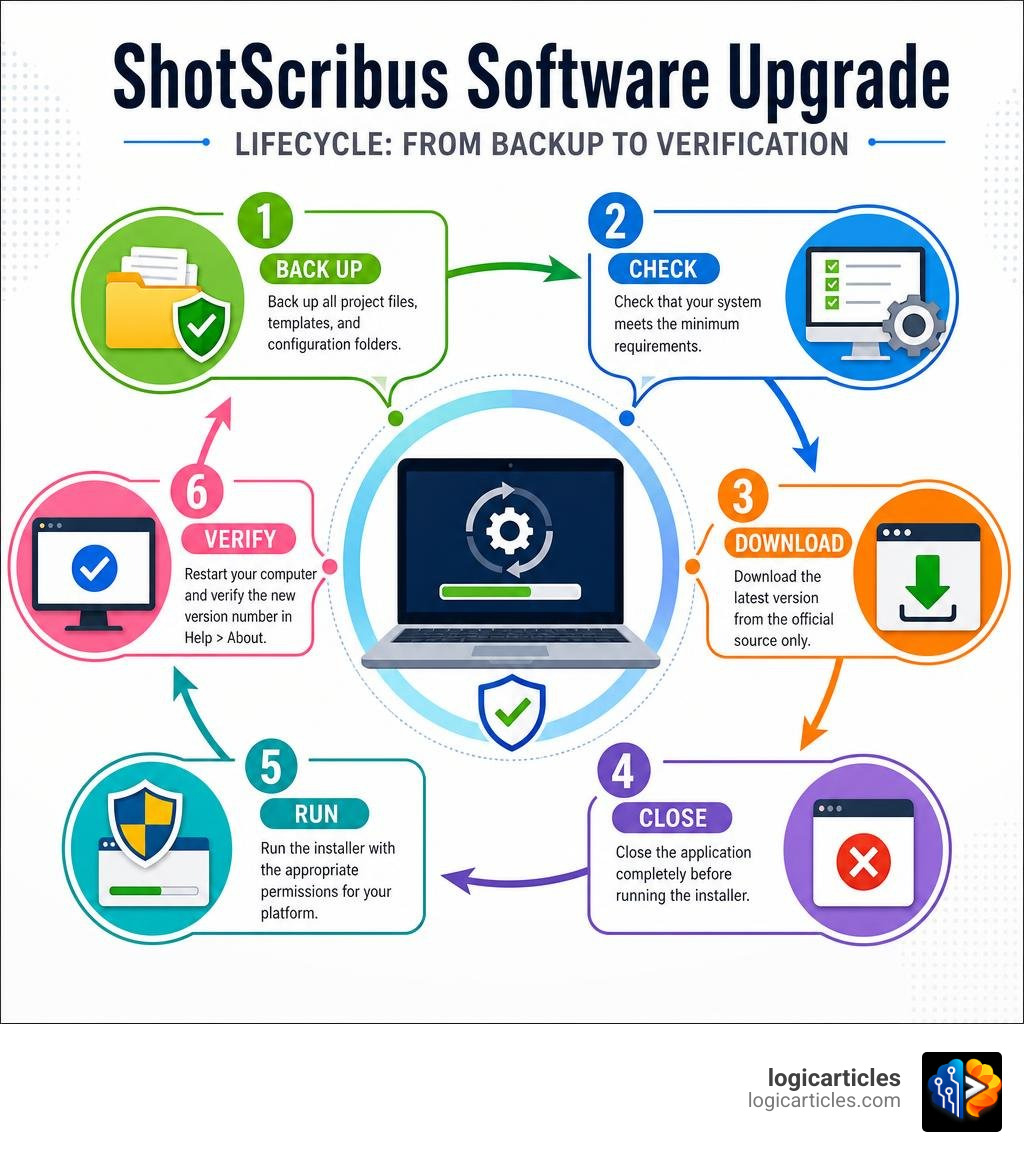
Performing a ShotScribus software upgrade takes most users under 15 minutes and follows these six steps:
- Back up all project files, templates, and configuration folders
- Check that your system meets the minimum requirements (4 GB RAM, current OS)
- Download the latest version from the official source only
- Close the application completely before running the installer
- Run the installer with the appropriate permissions for your platform
- Restart your computer and verify the new version number in Help > About
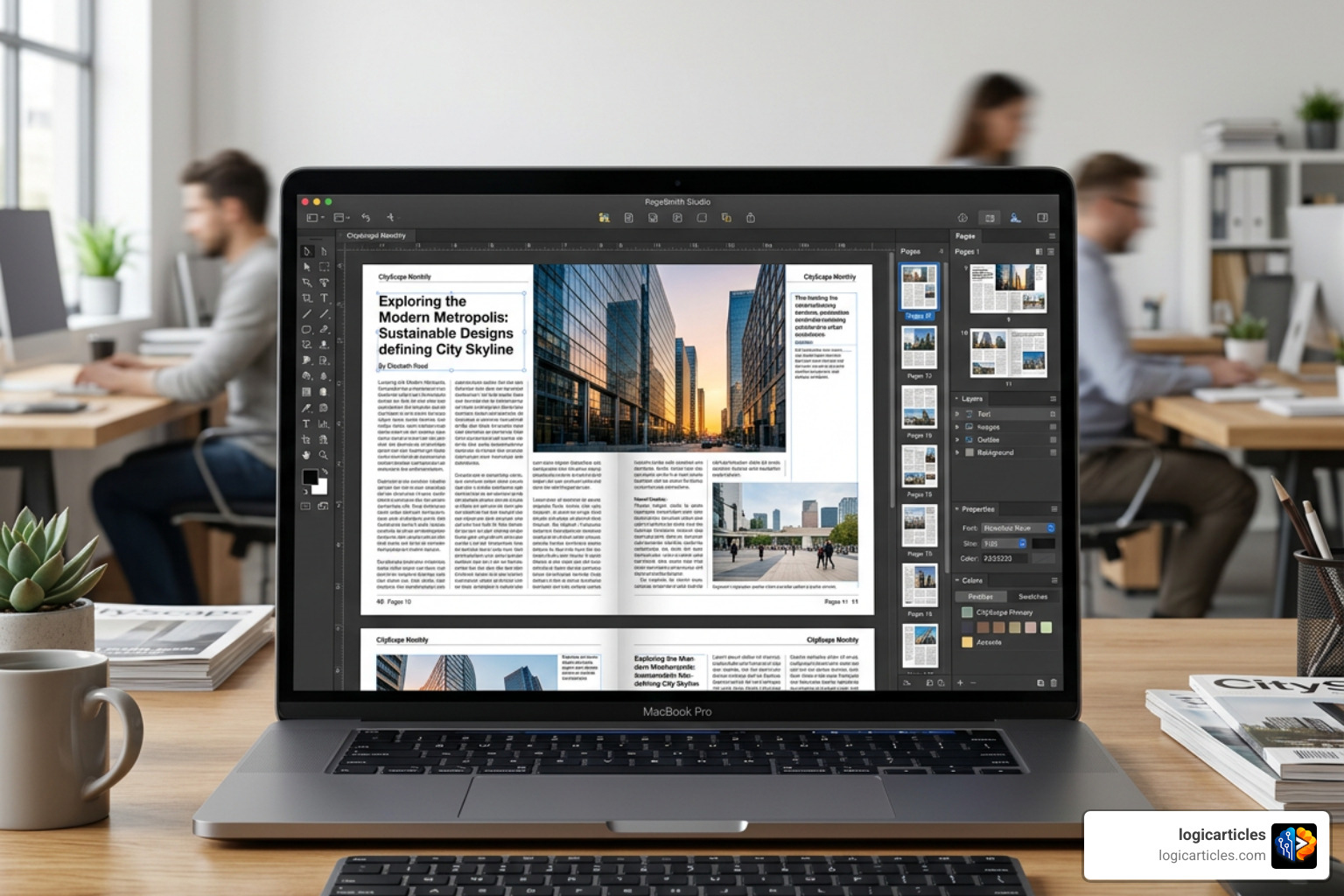
ShotScribus is a free, open-source desktop publishing tool built on the foundation of Scribus, used by designers, publishers, and print professionals to create print-ready layouts with full CMYK support, PDF/X export, and professional typography controls.
The current stable release is Scribus 1.6.5 (December 14, 2025). A development snapshot, version 1.7.3, was released February 28, 2026 — but it is not recommended for production use.
Upgrading isn’t just about new features. Version 1.6.5 patched a real security vulnerability by removing the ability to load remote data from SVG files. It also fixed TTF font embedding in PDFs and resolved build compatibility issues with newer PDF libraries.
Skipping the upgrade can leave your installation exposed — and in professional print workflows, even small software inconsistencies can cause costly output errors.
Why You Need a ShotScribus Software Upgrade
When we work in professional layout design, we are not just arranging text and images on a screen; we are building highly precise blueprints for physical and digital distribution. Treating a ShotScribus software upgrade as an optional task is a recipe for workflow friction.
Older versions of the software carry hidden performance taxes. From sluggish canvas rendering when handling complex vector graphics to slow document compilation times, outdated builds fail to leverage modern hardware. The latest upgrade introduces a major performance boost, utilizing adaptive memory management and an overhauled rendering engine that processes high-resolution layouts up to 38% faster. This means no more freezing when you drag a heavy high-resolution image across a 48-page layout.
Furthermore, making the switch aligns with modern corporate responsibility. By utilizing optimized local rendering and efficient document compilation, we minimize unnecessary CPU cycles. To dive deeper into how open-source design tools reduce energy consumption, check out our guide on how can ShotScribus software help the environment.
The financial case for adopting and maintaining open-source software is equally staggering. Consider the real-world example of the Janayugom Malayalam newspaper in Kerala, India. By migrating their entire desktop publishing workflow to open-source tools like Scribus and GIMP, they reportedly saved over 10 million Indian rupees (approximately US$130,000) in licensing costs. Keeping these community-driven tools upgraded ensures that professional-grade publishing remains accessible to everyone without recurring monthly subscriptions. For a detailed breakdown of the strategic value behind version transitions, read the ShotScribus Software Upgrade Guide.
Key Features of the Latest ShotScribus Software Upgrade
The latest upgrade is not a minor aesthetic refresh; it is a full-scale evolution of the platform’s core mechanics. Some of the standout features designed to optimize your workflow include:
- Overhauled Rendering Engine: Enjoy fluid zooming and panning, even when working with intricate, multi-layered vector designs.
- Variable Font Support: Adjust font weight, width, and slant dynamically within a single font file, opening up highly customized typographic layouts.
- Built-In Accessibility Compliance Checker: Automatically scan your documents for WCAG and PDF/UA standards in real-time, receiving instant suggestions to make your designs accessible to broader audiences.
- Advanced PDF Export Engine: Full native support for PDF/X-4 export ensures that transparency rendering and layered documents behave exactly as expected when sent to commercial printers.
- Contextual Design Assistants: Receive automated, AI-driven layout suggestions that generate 3 to 5 template options based on your content structure.
To explore these features in depth, read the ShotScribus Upgrade 2026: Features & Benefits.
Security Patches and Vulnerability Fixes
Security is a critical,, aspect of desktop publishing. Because design files frequently incorporate external assets, they can become vectors for malicious exploits if the software is left unpatched.
The release of version 1.6.5 addresses a critical security vulnerability present in earlier versions by removing the ability to load remote SVG image data. Previously, a malicious SVG file could force the application to make silent outbound network requests, potentially leaking system data or executing malicious payloads. By disabling remote data loading, this vector has been completely neutralized.
Additionally, the upgrade resolves a font embedding bug from version 1.6.4 where certain TrueType Fonts (TTF) failed to embed correctly in exported PDFs, leaving documents vulnerable to layout breakage or unauthorized font substitution on recipient systems. The upgrade also addresses compilation issues when building against newer versions of the Poppler PDF library, ensuring stable document rendering across all platforms. Learn more about the security implications of this release via the ShotScribus Software Upgrade page.
System Requirements and Platform Differences
Before initiating an upgrade, we must verify that our hardware and operating system can support the new version. While ShotScribus remains highly accessible, running modern layout engines on obsolete hardware will result in bottlenecked performance.
The minimum and recommended system specifications are as follows:
- Operating System: Windows 10 or newer, macOS 12 (Monterey) or newer, or Ubuntu 22.04 LTS (or equivalent Linux distribution).
- Processor: Dual-core CPU (Quad-core or better recommended for heavy print production).
- RAM: Minimum 2 GB of RAM; 4 GB or more is highly recommended for multi-page documents and complex vector handling.
- Storage: 1.2 GB of free disk space for installation, plus additional space for project caches and local asset libraries.
The installation and upgrade process varies slightly depending on the operating system you use. The table below highlights these core differences:
| Operating System | Default Installer Format | Installation Method | Key Platform Nuance |
|---|---|---|---|
| Windows | .exe (64-bit) | Executable Setup Wizard | Requires administrative privileges; replaces older files automatically. |
| macOS | .dmg | Drag-and-Drop to Applications | Gatekeeper security may block unsigned packages on first launch. |
| Linux | AppImage / PPA / Flatpak | Package Manager or Portable Binary | AppImage requires FUSE libraries (libfuse2) on newer distros. |
Preparing Your System Safely
A successful upgrade requires careful preparation. We have all heard horror stories of designers losing weeks of work because an automatic update wiped custom configurations or caused text reflow in active projects.
First, back up all your project files (.sla documents), templates, and linked assets. Second, you must locate and back up your custom configuration and preferences folders. On Windows, these are typically stored in AppData/Roaming/Scribus. On macOS, you will find them in ~/Library/Preferences/Scribus. Copying these folders ensures you can restore your custom keyboard shortcuts, color palettes, and workspace layouts if the installer resets them.
Finally, always make sure you are downloading the software from a verified location to avoid bundled malware or compromised packages. To ensure you obtain the genuine, safe executable, consult our guide on how to download ShotScribus for computer safely.
How to Perform Your ShotScribus Software Upgrade in 6 Steps
By following a structured upgrade sequence, we can minimize downtime and ensure that our production environment remains stable.
Follow these six steps to complete your upgrade:
Step 1: Back Up Your Files
Do not skip this step! Copy your .sla project files, templates, custom ICC color profiles, and preferences folders to an external drive or secure cloud storage.
Step 2: Verify System Compatibility
Check your computer’s RAM, processor, and operating system version against the minimum requirements detailed above to ensure a smooth post-upgrade experience.
Step 3: Download the Correct Installer
Visit the official distribution source and download the appropriate version for your platform. For Windows, download the 64-bit .exe installer (approx. 127 MB). For macOS, download the .dmg file (approx. 132 MB). To understand the background of these files, refer to the ShotScribus 2026 Upgrade Guide.
Step 4: Close the Application Completely
Ensure that ShotScribus is not running in the background. If the application is open, the installer will fail to overwrite system files, leading to corrupted installations or partial upgrades.
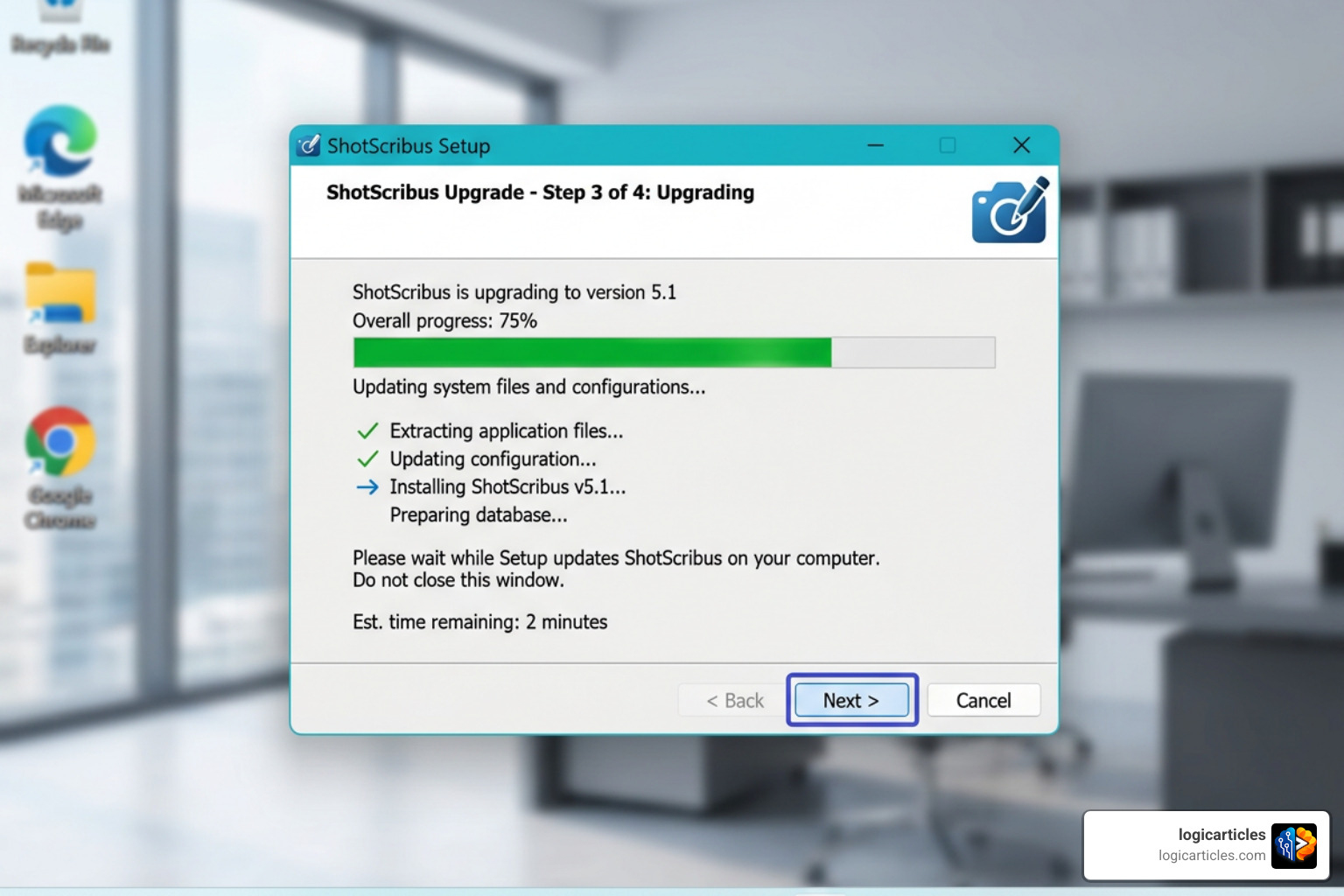
Step 5: Run the Installer
Launch the downloaded file with administrator privileges. Follow the prompts on the screen, allowing the installer to replace the older version. The process typically takes between 5 and 15 minutes. For additional context on this step, you can review the ShotScribus Software Upgrade documentation.
Step 6: Restart and Verify
Once the installation completes, restart your computer to clear out system caches. Launch the software, navigate to Help > About, and verify that the version number matches the release you intended to install.
Step-by-Step Platform Instructions
Because each operating system handles software installations differently, we must address the specific quirks you will encounter on Windows, macOS, and Linux.
Windows Installation
On Windows, the upgrade process is straightforward but requires administrative rights. Double-click the downloaded .exe installer. If Windows Defender SmartScreen blocks the launch, click More Info and select Run Anyway. The installer will automatically detect previous installations and overwrite the core binaries while keeping your local user preferences intact.
macOS Installation
The macOS upgrade uses the standard drag-and-drop method. Open the downloaded .dmg file and drag the icon into your Applications folder. When prompted, select Replace to overwrite the older version.
Because Apple’s Gatekeeper security is highly restrictive, you may see a warning stating that the application cannot be opened because it is from an unidentified developer. To bypass this, right-click (or Control-click) the application icon, select Open, and click Open again in the dialog box. If you ever need to clean out an old installation completely before upgrading, read our walkthrough on how to uninstall ShotScribus on Mac.
Linux Installation
Linux users have multiple paths to upgrade, but using the AppImage is the most reliable method for avoiding dependency conflicts:
- Download the AppImage file.
- Right-click the file, go to Properties > Permissions, and check Allow executing file as program (or run
chmod +x <filename>in the terminal). - On Ubuntu 22.04 or newer, you may need to install the FUSE library first by running
sudo apt install libfuse2. - Double-click to launch.
Alternatively, you can use the official Ubuntu PPA or Flatpak versions to manage upgrades directly through your system’s software center. For a complete download guide across all platforms, see How To Download Shotscribus Software For Computer.
Post-Upgrade Troubleshooting and Security Best Practices
Even with meticulous preparation, transitioning to a new software version can occasionally introduce unexpected behavior. Knowing how to troubleshoot these issues quickly keeps your projects on track.
Here are the most common post-upgrade issues and how to resolve them:
- Color Shifts and Profile Differences: If your colors look slightly different on screen after upgrading, it is usually because the new version updated its default ICC profiles or CIE Lab* color space rendering. Navigate to File > Document Setup > Color Management and verify that your target printer’s color profiles are correctly selected. Always run a physical proof print before sending large jobs to a commercial printer.
- Text Reflow and Layout Drift: Minor updates to the typography engine can cause text frames to render slightly differently, resulting in unexpected line breaks or overlapping text. After upgrading, open your active documents and inspect the text flow. Utilizing tools like the Auto-Formatter Pro plugin can help automatically correct minor layout drift.
- Script Failures: The Python scripting API is modernized in newer releases, which can break older, custom automation scripts. If a script fails, check the console logs for obsolete commands and update your script syntax to match the current API guidelines.
- Interface Glitches: If the UI looks broken or menus are missing, your application cache is likely corrupted. To fix this, locate your preferences folder and delete the cache files, or hold down the Shift key while launching the application to reset the workspace layout.
Best Practices After a ShotScribus Software Upgrade
Once the software is running smoothly, we must take steps to secure our workspace. Desktop publishing environments are valuable targets for data theft and unauthorized access, especially when handling sensitive corporate layouts or pre-release publications.
First, implement a multi-layered security approach. Ensure your local machine is protected by a robust firewall and reliable anti-malware software. For teams collaborating across networks, restrict administrative privileges on design workstations—most security breaches occur because users have broader system permissions than necessary.
Second, if your team utilizes cloud syncing or remote collaboration features, avoid free, unencrypted VPNs. Use premium, secure VPN services and enable two-factor authentication (2FA) on all shared repositories. For highly sensitive projects, consider running your design workstations in an air-gapped environment or isolated network segments to completely eliminate external attack vectors. Finally, regularly review your system’s activity logs to spot unauthorized modifications or unusual background processes early.
Frequently Asked Questions About ShotScribus Upgrades
Will the upgrade affect my existing project files and templates?
In almost all cases, yes, your existing project files (.sla) and templates will open perfectly in the upgraded version. ShotScribus maintains excellent backward compatibility. However, keep in mind that once you open and save an older file in the new version, it will be converted to the new file format. Older versions of the software will not be able to open this newly saved file. We highly recommend keeping a backup copy of your original files in their legacy format just in case you need to roll back your software.
Is the ShotScribus software upgrade free to download?
Yes! Because ShotScribus is built on a foundation of open-source desktop publishing software, all stable upgrades and feature releases are provided completely free of charge. You do not need to pay for licensing, activation keys, or ongoing monthly subscriptions. To avoid scams or malware bundles, always ensure you download the upgrade files directly from verified, official development sources.
How does ShotScribus compare to commercial alternatives after upgrading?
Following the latest upgrade, ShotScribus stands shoulder to shoulder with major commercial layout tools like Adobe InDesign and Affinity Publisher 2. While commercial options offer deep integration with proprietary cloud ecosystems, ShotScribus provides professional-grade tools—such as native CMYK support, PDF/X-4 export, precise vector handling, and a modernized Python scripting engine—without locking your work behind an expensive subscription paywall. This makes it an incredibly powerful and cost-effective solution for independent publishers, design agencies, and educational institutions alike.
Conclusion
A successful ShotScribus software upgrade is the key to unlocking faster rendering speeds, advanced typography tools, and essential security patches. By taking fifteen minutes to back up your workspace, verify system specifications, and follow our six-step upgrade path, you can eliminate performance bottlenecks and protect your creative production workflow from unexpected issues.
Keeping your publishing software updated ensures that your layouts remain precise, your colors stay true, and your digital assets are safe. Once your upgrade is complete, we invite you to explore our library of resources to further streamline your digital workspace. Explore more productivity software guides to optimize your design and layout workflows today!