The Best 3rd Party Risk Management Software Compared (2026)
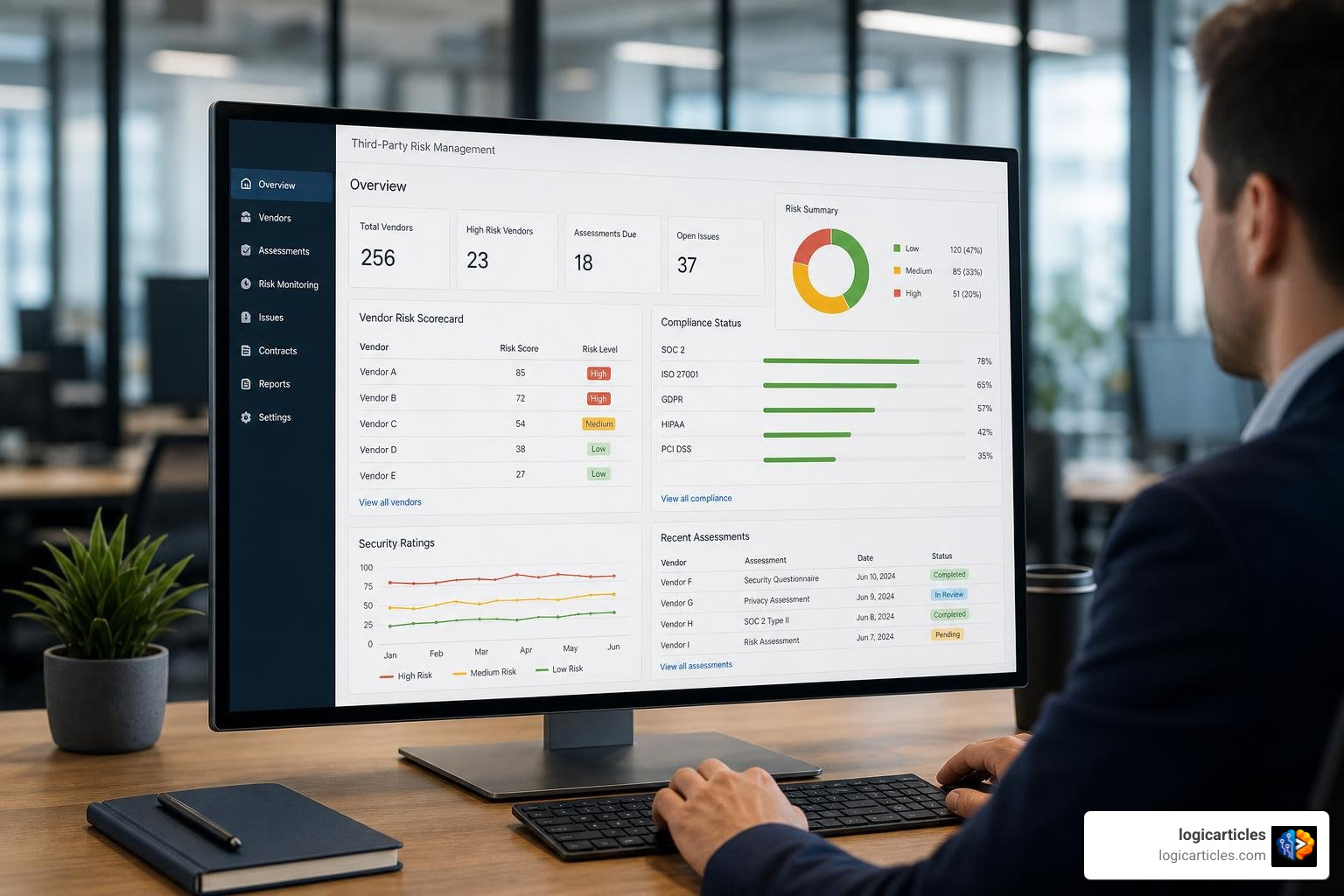
The best 3rd party risk management software options in 2026 are:
| Platform | Best For | Key Strength |
|---|---|---|
| Vanta | Automated compliance + TPRM | 526% 3-year ROI; AI-powered vendor reviews |
| Panorays | Contextual third-party risk | 4.4 Gartner rating; continuous monitoring |
| GAN Integrity | Compliance-heavy programs | Anti-bribery, sanctions, ESG in one workflow |
| Prevalent (Mitratech) | Full lifecycle management | 800+ assessment templates; vendor intelligence |
| Black Kite | Cyber-focused risk | Open FAIR financial quantification; Nth-party mapping |
| Venminder | Financial services | Hybrid software + expert-managed assessments |
| Exiger | Supply chain visibility | Multi-tier mapping; Fortune 500 trusted |
| Fusion | Operational resilience | Real-time adverse event monitoring |
| 3rdRisk | Mid-market teams | 10-day implementation; 40+ integrations |
| Enlighta | AI contract analysis | NLP clause extraction; automated triggers |
Your vendors are a hidden liability.
The average organization now works with 88 IT third parties. Larger enterprises rely on close to 175. Every one of those relationships is a potential backdoor into your systems, your data, and your reputation.
And the numbers back this up. In 2023, 61% of companies experienced a third-party data breach or cybersecurity incident — a 49% year-over-year increase. Nearly 94% of CISOs say third-party attacks are a top concern.
The old way of managing this — spreadsheets, email chains, annual questionnaires — simply doesn’t scale. When you’re managing dozens or hundreds of vendors, manual tracking creates blind spots that attackers are happy to exploit.
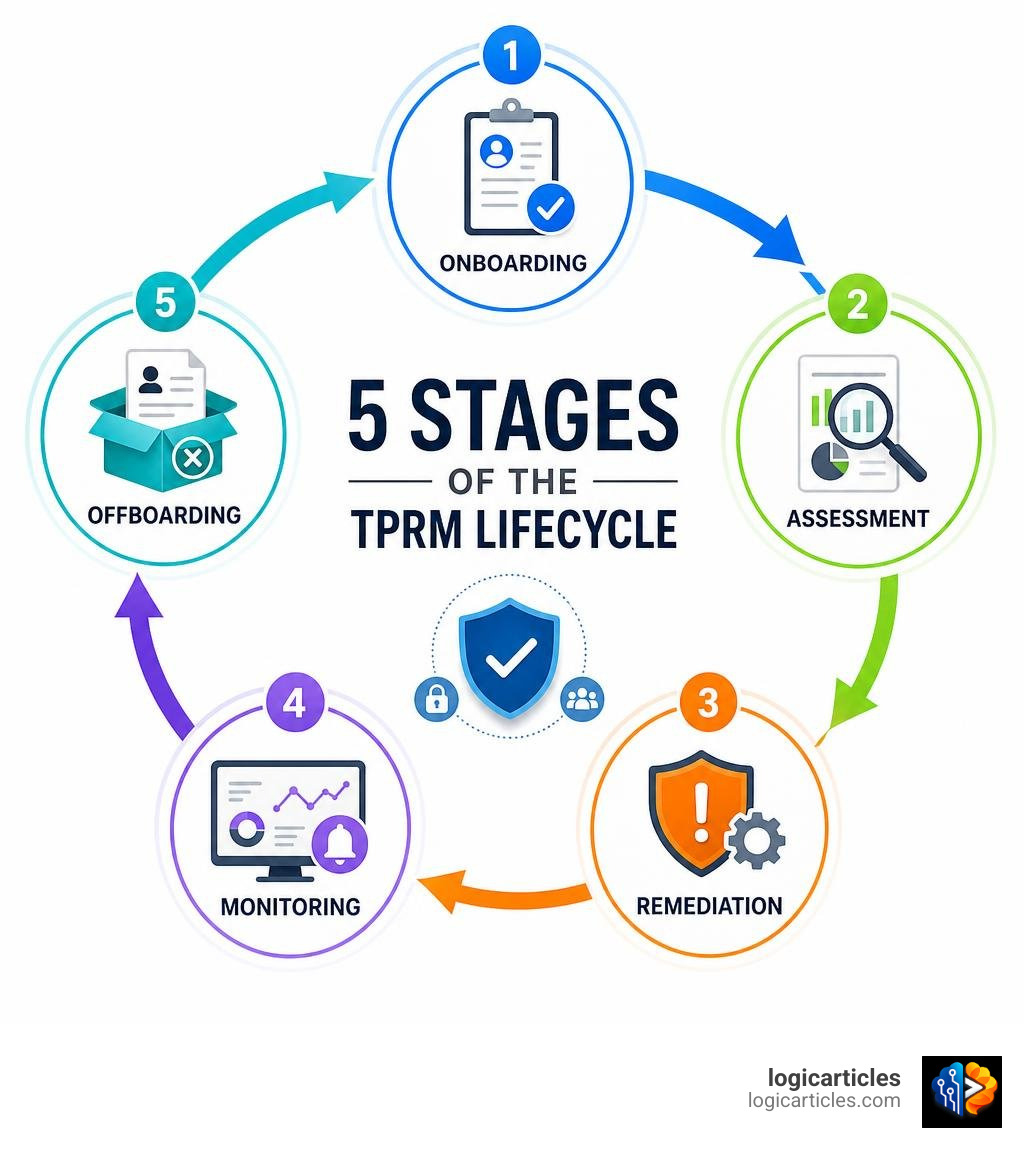
That’s where dedicated TPRM software comes in. These platforms automate the full vendor lifecycle, from initial screening and onboarding through continuous monitoring and offboarding. They replace reactive, point-in-time assessments with always-on risk intelligence.
The results are measurable. Organizations using TPRM automation report cutting due diligence time by up to 80%, with some platforms delivering productivity gains of 54% or more for security teams.
This guide compares the top platforms on the market so you can find the right fit for your organization’s size, risk appetite, and compliance requirements.
Why Modern Enterprises Need 3rd Party Risk Management Software
As our digital ecosystems expand in 2026, the perimeter of our organizations is no longer defined by our physical offices or local networks. It is defined by the hundreds of cloud applications, marketing tools, sub-processors, and IT contractors we interact with daily. Every third-party integration represents a potential security gap.
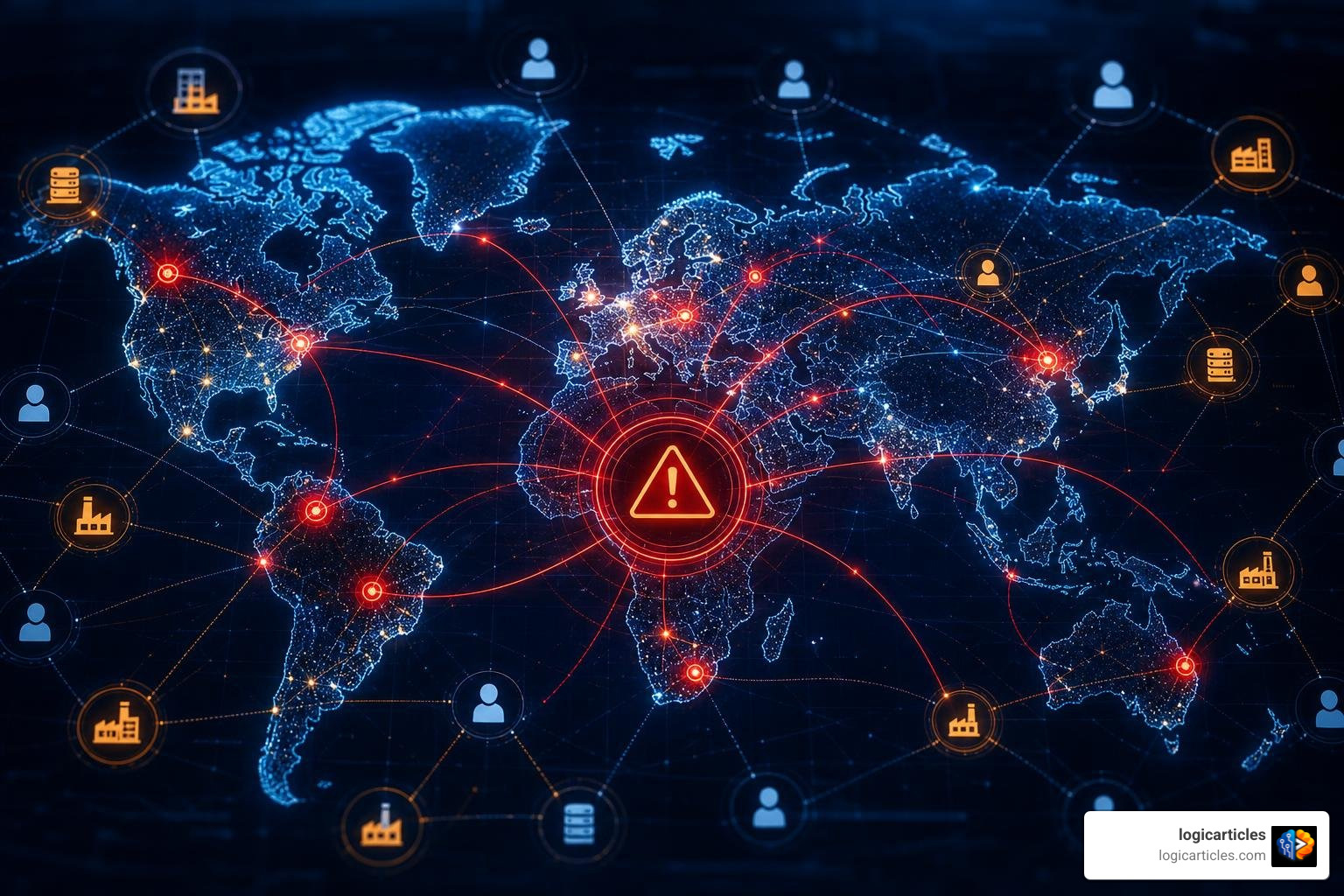
Relying on manual spreadsheets to monitor these vendors is like trying to secure a skyscraper by looking through a keyhole. It is highly inefficient, error-prone, and leaves major blind spots. Modern 3rd party risk management software has transitioned from a compliance “nice-to-have” to an absolute operational necessity.
The regulatory landscape has also shifted dramatically. Global authorities are no longer accepting “we didn’t know our vendor was vulnerable” as an excuse. Strict frameworks now demand active, documented oversight of third-party networks:
- DORA (Digital Operational Resilience Act): Mandates strict ICT third-party risk monitoring for financial institutions operating in the EU.
- NIS2 Directive: Expands cybersecurity requirements across critical sectors, holding executives personally liable for supply chain security.
- GDPR & HIPAA: Legally require robust data processing agreements (DPAs) and continuous validation of vendor data protection standards.
To meet these guidelines, organizations must align their vendor workflows with comprehensive cybersecurity software requirements to ensure no external system compromises internal databases.
Understanding the Third-Party Risk Landscape
Third-party risk is not a single, isolated threat. It is a multi-headed beast encompassing cybersecurity vulnerabilities, operational bottlenecks, regulatory compliance failures, and financial instability.
One of the most elusive challenges we face is Shadow IT—when employees subscribe to unauthorized SaaS tools or AI platforms without IT’s knowledge. This bypasses security vetting entirely, exposing sensitive company data to unverified vendors.
Furthermore, if a critical vendor suffers an outage, it can halt our operations instantly. Achieving operational resilience means we must proactively map out dependencies. For specialized industries, this is even more critical. For example, selecting the best incident management software for healthcare 2026 requires deep third-party scrutiny to protect patient health information (PHI) and maintain continuous hospital operations during vendor-related disruptions.
The Business Value and ROI of TPRM Automation
Implementing a dedicated TPRM platform is not just a defensive security play; it is a highly strategic business decision that delivers clear financial returns.
According to research from IDC, Vanta customers experience a 526% three-year ROI with a rapid three-month payback period. By automating evidence collection and vendor discovery, security teams see average productivity gains of 54%.
For smaller or mid-market organizations, the math is equally compelling. An organization managing just 50 vendors can save approximately $81,000 annually by automating discovery, utilizing AI-powered reviews, and implementing continuous monitoring. This reduces the time spent on vendor reviews by up to 80%.
These savings can then be redirected toward other high-impact areas, such as using the best cloud cost optimization tools for 2026 cut cloud bills fast to streamline infrastructure spending.
Core Features of Leading TPRM Platforms
When evaluating 3rd party risk management software, we must look beyond basic questionnaire distribution. A modern platform must serve as a centralized system of record that actively analyzes, scores, and mitigates risks.
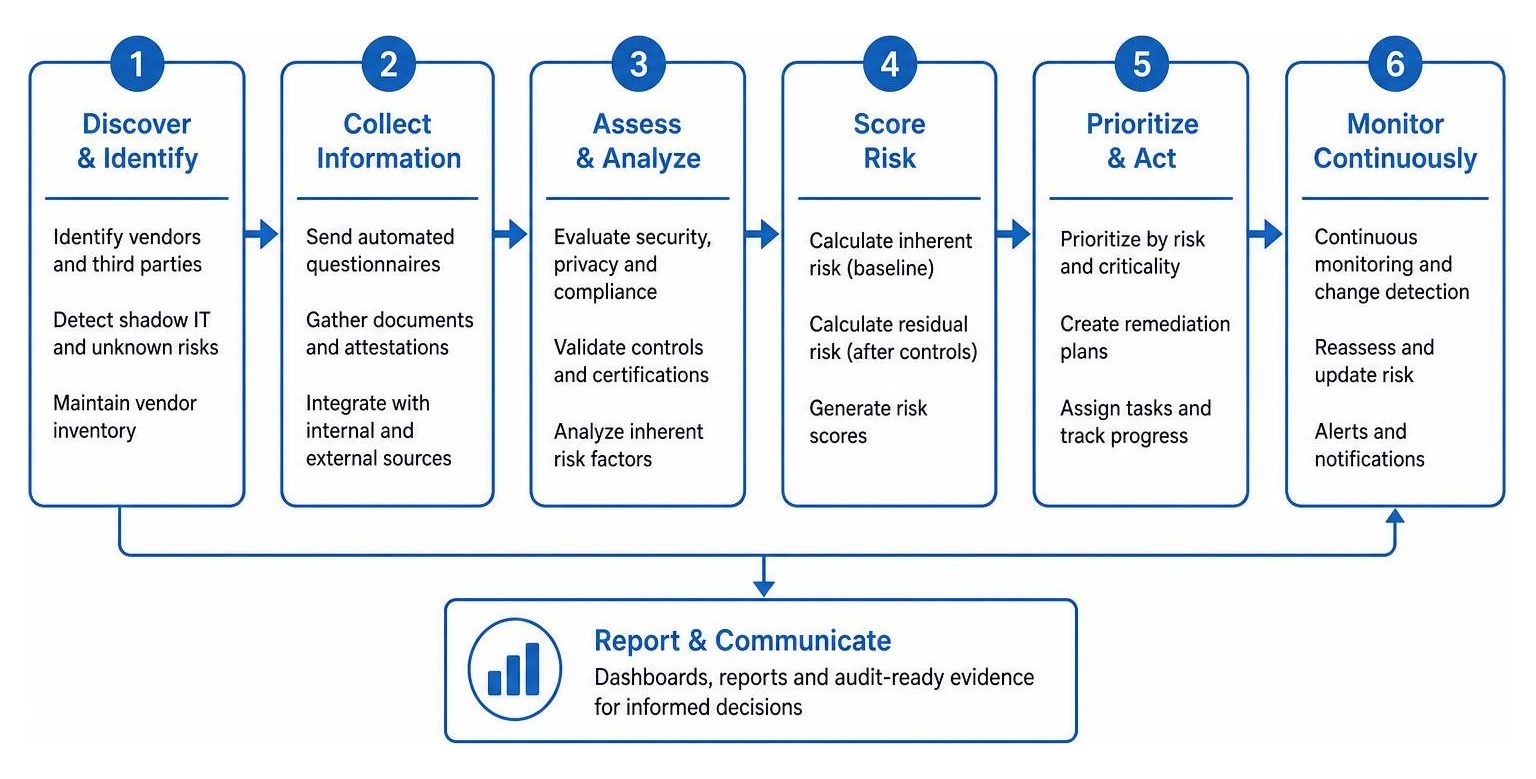
At the core of any strong TPRM platform is a robust risk scoring engine. The software should automatically calculate two distinct risk metrics:
- Inherent Risk: The baseline level of risk a vendor poses before any security controls are applied (determined by the type of data they access and their business criticality).
- Residual Risk: The remaining risk level after the vendor’s security controls, certifications, and policies have been analyzed and verified.
By automating this scoring, the software allows us to strategically prioritize our remediation efforts on high-risk, high-criticality vendors rather than wasting valuable time on low-risk suppliers.
Automated Vendor Lifecycle Management
An effective TPRM platform manages the entire vendor lifecycle seamlessly from initial contact to final termination.
- Intake and Onboarding: Standardized intake forms allow business units to request new vendors easily. The software automatically tiers the vendor based on the requested access level and triggers the appropriate due diligence.
- Risk Remediation: Rather than emailing back-and-forth about security gaps, the software provides collaborative portals where we can work directly with vendors to establish joint remediation plans and track progress.
- Offboarding and Contract Termination: Often overlooked, secure offboarding is critical. The platform should enforce a structured offboarding checklist, ensuring all user credentials are systematically revoked, company data is deleted, and internal inventories are updated.
For high-value partnerships, integrating these steps with a formal software escrow agreement ensures our source code and operational assets remain protected if a vendor unexpectedly goes out of business.
AI and Continuous Monitoring in 3rd Party Risk Management Software
Static, annual risk assessments are obsolete. A vendor that passed an audit six months ago could easily fall victim to a zero-day exploit today. Modern TPRM software solves this by leveraging AI and continuous monitoring.
AI engines use Natural Language Processing (NLP) to instantly analyze uploaded SOC 2 reports, ISO certifications, and DPAs. Instead of reading hundreds of pages manually, the AI extracts high-stakes SLA clauses, insurance expirations, and security exceptions in seconds.
Simultaneously, continuous monitoring feeds scan the public web, dark web, and threat databases 24/7. If a vendor is mentioned in adverse media, suffers a data breach, or experiences a sudden drop in their security ratings, the platform triggers real-time alerts.
This level of continuous testing and validation is highly aligned with modern software quality standards. Just as we use automated tools to understand what is testing in zillexit software 2026 guide to prevent bugs downtime data loss, continuous TPRM monitoring ensures our wider business ecosystem remains bug-free and secure.
How to Select the Best 3rd Party Risk Management Software
Selecting the right platform requires careful evaluation. The most common pitfall is falling for scripted vendor demos. To spot the real deal, we recommend running three live tests during software demonstrations:
- Ask the vendor to make a real-time workflow change.
- Ask them to map a complex, custom real-world scenario on the spot.
- Inquire who handles post-implementation configurations (and if they require paid professional services).
The software must also feature an intuitive interface. If the platform is too highly technical, non-technical departments like legal, procurement, and finance will refuse to adopt it.
Finally, ensure the platform supports seamless integrations with your existing tech stack—including GRC platforms, ERPs like SAP or Oracle, and collaboration tools like Microsoft Teams. Proper integration is a core pillar of modern software stack management in 2026.
Comparing the Top TPRM Solutions on the Market
To help you navigate the crowded market of 3rd party risk management software, we have broken down the top-performing platforms into distinct categories based on their primary strengths.
| Platform | Key Focus | AI Capabilities | Best For |
|---|---|---|---|
| 3rdRisk | Multidisciplinary GRC | AI document analyzer, chatbots | Mid-market & rapid deployment |
| Enlighta | AI-driven governance | NLP contract clause extraction | Enterprise vendor contract risk |
| Black Kite | Cyber risk quantification | Ransomware Susceptibility Index | Board-level financial reporting |
| Prevalent | Full lifecycle automation | AI questionnaire autofill | Scaling complex vendor ecosystems |
| Venminder | Hybrid managed services | Automated risk intelligence | Financial institutions & bank compliance |
| Exiger | Supply chain mapping | Multi-tier Nth-party tracking | Global logistics & manufacturing |
For organizations looking to deploy a multidisciplinary risk platform quickly, the Leading AI-powered TPRM platform| 3rdRisk is an outstanding option. It can be fully configured and up and running in less than 10 days, offering over 40 out-of-the-box integrations and a highly intuitive, gamified user interface.
On the other hand, if your focus is heavily centered on contract intelligence and automated risk triggers, the Vendor Risk and Compliance Management Platform | Enlighta uses advanced AI and NLP to automate contract identification, clause extraction, and ongoing compliance tracking across the vendor lifecycle.
Cyber-Focused and Compliance-Driven Platforms
If your primary concern is technical cybersecurity posture and translating tech risks into business terms, you need a cyber-focused platform.
The Cyber Risk Management Platform | Black Kite stands out by using the Open FAIR™ methodology to translate technical cyber ratings into clear, dollar-denominated financial exposure. It also features a specialized Ransomware Susceptibility Index (RSI) to quantify the likelihood of a vendor being targeted by ransomware.
If you are struggling with administrative overhead and need to accelerate your assessment workflows, Prevalent | Third-Party Risk Management (TPRM) Software offers an extensive library of over 800 pre-built assessment templates. It combines automated digital questionnaires with vast vendor intelligence networks, allowing you to pull pre-completed risk reports for common third parties instantly.
End-to-End Supply Chain and Due Diligence Solutions
For organizations operating in heavily regulated industries like banking, healthcare, or global manufacturing, managing risk requires looking deep into multi-tier supply chains.
The Third-Party Risk Management and Due Diligence Platform | Venminder offers a unique hybrid approach. It combines its robust SaaS platform with a team of certified internal experts (CISSPs, CPAs, and risk professionals) who can perform outsourced vendor control assessments on your behalf, significantly reducing your internal workload.
For deep physical and digital supply chain mapping, One platform for end-to-end visibility into your entire supply chain and risk – Exiger is the industry standard. Trusted by over 150 Fortune 500 companies and 60 federal agencies, Exiger unifies physical components, parts, and logistics data with software supply chain security (SCRM), helping organizations actively track multi-tier risks, tariffs, and modern ESG issues like forced labor.
Frequently Asked Questions about TPRM
What is the difference between inherent risk and residual risk?
Inherent risk is the raw, baseline risk a vendor poses to your organization before any security controls are evaluated. It is calculated based on the vendor’s access to sensitive systems, the volume of data they handle, and their business criticality. Residual risk is the actual risk that remains after we verify that the vendor has implemented effective security controls, policies, and industry certifications (like SOC 2 or ISO 27001).
How does TPRM software help with regulations like DORA and NIS2?
TPRM software automates the collection of audit-ready evidence, maps vendor controls directly to regulatory frameworks, and provides continuous monitoring. Under DORA and NIS2, annual point-in-time assessments are no longer sufficient. TPRM platforms provide the real-time alerting, Nth-party mapping, and documented decision trails required to prove compliance to regulatory auditors.
Why is structured vendor offboarding critical for security?
When a contract ends, a vendor still represents a major security risk if their access is not systematically revoked. Structured offboarding ensures that all single sign-on (SSO) credentials, API integrations, and data access permissions are completely disabled. It also tracks the verified deletion of any proprietary data held on the vendor’s servers, preventing post-contract data breaches.
Conclusion

Managing third-party risk is no longer just a checkbox exercise for compliance teams—it is a cornerstone of modern business resilience. As our networks grow more interconnected, relying on manual processes and outdated spreadsheets is a vulnerability we simply cannot afford.
By implementing the right 3rd party risk management software, we can centralize our vendor inventories, automate tedious due diligence workflows, and continuously monitor our digital supply chains for emerging threats. Whether you need a cyber-focused scoring platform like Black Kite, a compliance-heavy workflow tool like GAN Integrity, or a rapid, AI-powered solution like 3rdRisk, the investment pays off in both risk reduction and massive team productivity gains.
Ready to secure your software ecosystem and find the perfect tools to drive your business forward? Explore the best software categories for 2026 to discover top-rated enterprise solutions.