Why Your Restaurant’s Online Reputation Can Make or Break Your Business

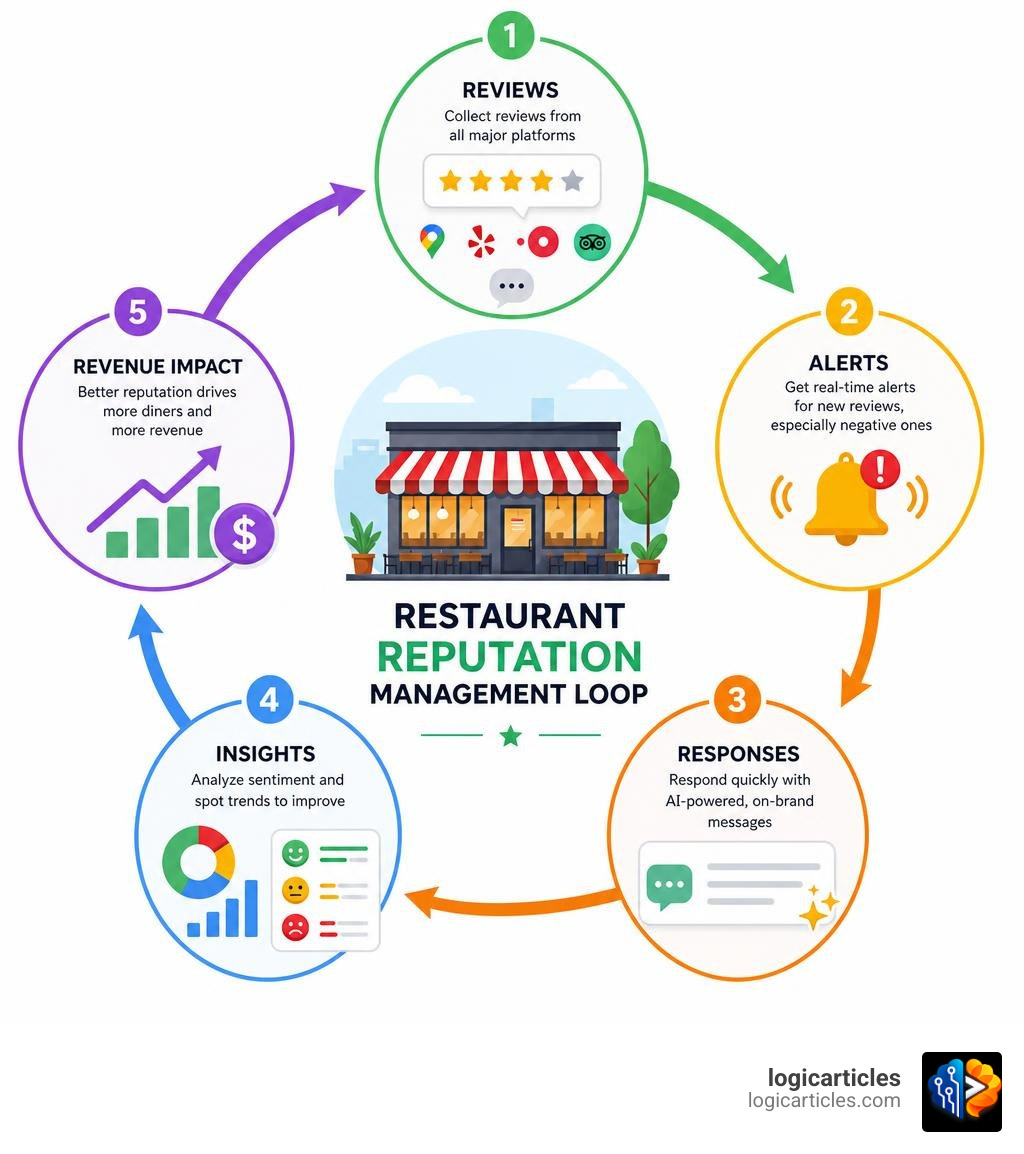
Restaurant reputation management software is a tool that helps restaurants collect, monitor, and respond to online reviews across platforms like Google, Yelp, OpenTable, and TripAdvisor — all from one central dashboard.
Here’s a quick summary of what it does and why it matters:
- Aggregates reviews from multiple platforms into one place
- Alerts you to new reviews, especially negative ones, in real time
- Uses AI to draft on-brand responses quickly
- Analyzes sentiment to spot trends in food quality, service, and value
- Automates review requests to grow your review volume after each visit
- Supports multi-location management for restaurant groups and franchises
The numbers behind this are hard to ignore. 94% of diners say online reviews influence where they eat. 53% won’t even consider a restaurant rated below 4 stars. And a single star improvement in your rating can translate to 5–9% more revenue.
Yet most restaurants still manage reviews manually — checking each platform separately, drafting responses from scratch, and missing critical feedback entirely. That’s where software changes the game.
When a diner leaves a negative review at 11pm on a Tuesday, it’s already visible to hundreds of potential customers before your team arrives the next morning. Every hour without a response is a missed chance to show you care — and a quiet signal to Google that your business isn’t actively managed.
The good news? Modern reputation tools have made this fast, affordable, and largely automatic.
What is Restaurant Reputation Management Software?
At its core, restaurant reputation management software acts as the digital central nervous system for your restaurant’s public image. Instead of forcing your managers to log into Google Business Profile, Yelp, Facebook, TripAdvisor, and reservation platforms individually every day, this software pulls every single comment, rating, and mention into one unified feed.
Think of it as the ultimate dashboard for guest sentiment. Just as restaurant scheduling software organizes your floor shifts and staff hours in one clean view, reputation software organizes your guest feedback so nothing slips through the cracks.
When a new review goes live, the software immediately processes it. It categorizes the feedback using semantic analysis, alerts the right team member, and even drafts a context-aware response. By integrating with a Multi-Platform Dashboard – Zatisfied , you gain 360-degree visibility across 17+ platforms, ensuring that your team can track ratings, dispute fake reviews, and monitor sentiment trends without wasting hours clicking through different browser tabs.
Best Practices for Responding to Negative Reviews
Let’s face it: receiving a negative review feels like a punch to the gut. But in the hospitality industry, a bad review is actually a massive marketing opportunity in disguise. 45% of consumers are more likely to visit a business that actively responds to negative feedback.
When handling disgruntled diners, we recommend following these core rules:
- Lead with Empathy and Speed: Acknowledge the guest’s experience and apologize sincerely for falling short of expectations. Try to respond within 24 hours.
- Never Get Defensive: Keep your tone calm, professional, and warm. Your response isn’t just for the person who wrote the review; it’s for the thousands of prospective diners reading it later.
- Move the Conversation Offline: Provide a direct email address or phone number so you can resolve the issue privately. Never engage in a public back-and-forth argument.
- Identify and Challenge Fake Reviews: If a review violates platform guidelines (e.g., spam from a competitor, abusive language, or a completely fabricated dining experience), use tools like Retail Reputation Management Software | ReviewCrusher to flag the review, gather evidence, and submit structured disputes to clean up your public profile.
Managing these responses systematically requires organization. Much like using the best task management software in 2026 tested to assign duties to your team, setting up clear escalation rules and response templates within your reputation platform ensures that negative feedback is handled instantly and professionally every single time.
Key Features of Modern Reputation Platforms
Modern reputation systems have evolved far beyond simple notification engines. They are now dynamic tools powered by artificial intelligence and deep integrations.
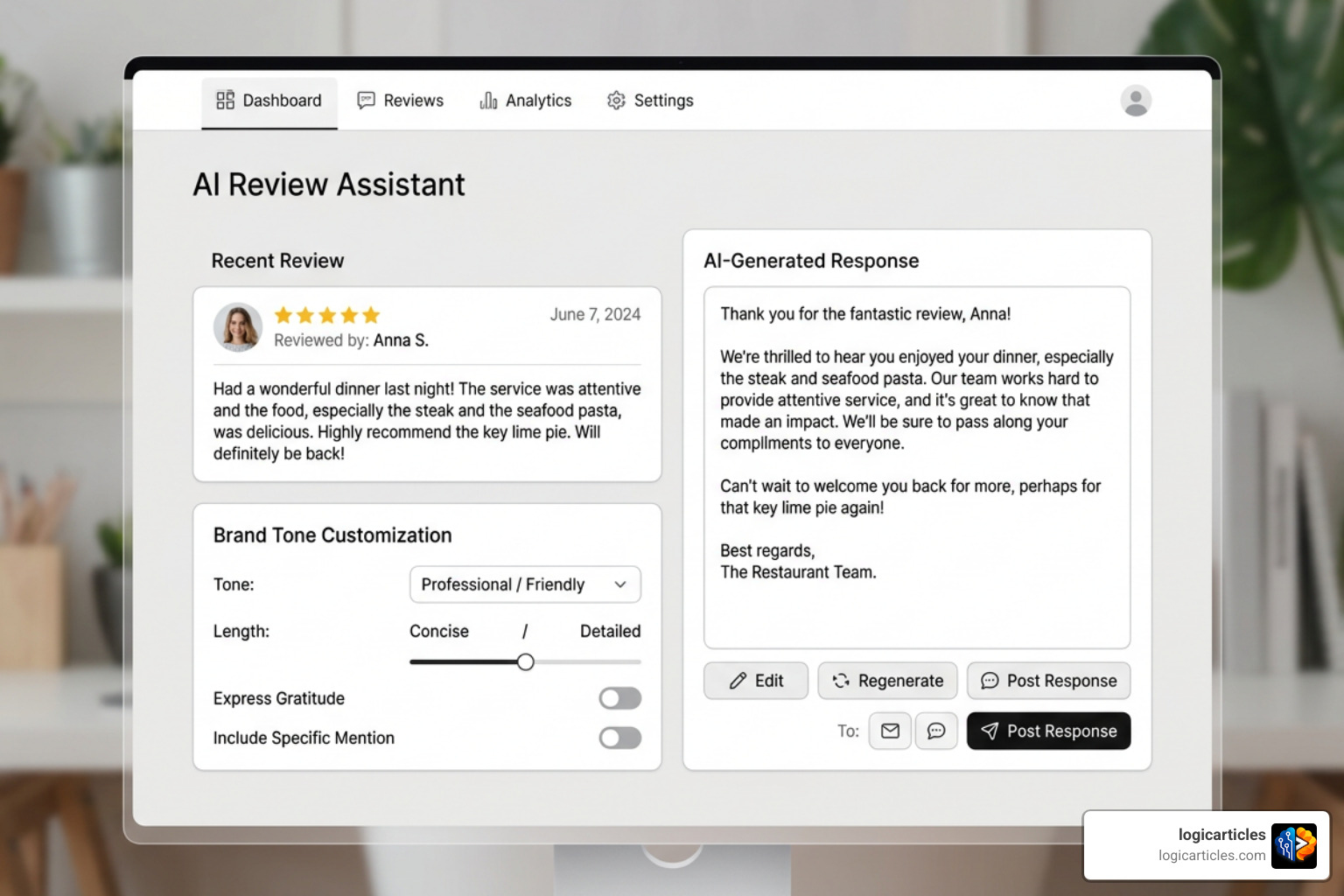
When evaluating software options, look for these essential features:
- Automated Review Generation: Frictionless feedback collection via SMS, email, or table-side QR codes.
- Granular Sentiment Analysis: Software that parses review text to identify specific operational issues (e.g., “cold food,” “slow service,” or “loud music”).
- Local SEO Optimization: Automated updates to your NAP (Name, Address, Phone Number) listings to keep your brand visible.
- Unified Messaging Inbox: A single dashboard that combines public reviews with private feedback and social media direct messages.
AI-Powered Review Responses in Restaurant Reputation Management Software
The biggest bottleneck in review management is the sheer amount of time it takes to write thoughtful, unique replies. Copying and pasting generic templates (“Thank you for your feedback, we hope to see you again!”) looks lazy and can actually hurt your brand.
This is where AI-driven platforms shine. Advanced systems utilize hospitality-specific AI engines to draft natural-sounding, contextually accurate responses in under five seconds. Unlike generic chatbots, these engines are trained on restaurant terminology. They recognize specific menu items, understand service nuances, and can be customized with explicit brand rules.
For instance, if a guest raves about your truffle pasta but mentions a slightly long wait at the host stand, the AI will automatically thank them for loving the pasta, address the wait with your exact brand voice, and offer a polite sign-off. Platforms like Looptise – Smart Restaurant Review Management & AI Replies make this process seamless by offering smart interception of negative feedback—routing low-star ratings to a private resolution channel while automatically publishing positive, AI-generated responses to boost your rankings.
Multi-Location and Franchise Management
For restaurant groups and franchise networks, reputation management is a structural challenge, not just a discipline problem. Corporate teams need to maintain strict brand standards across dozens or hundreds of locations, while local operators need the autonomy to manage their individual units.
The best Reputation Management for Franchise Restaurants (2026) platforms solve this by providing a dual-view “cockpit” architecture.
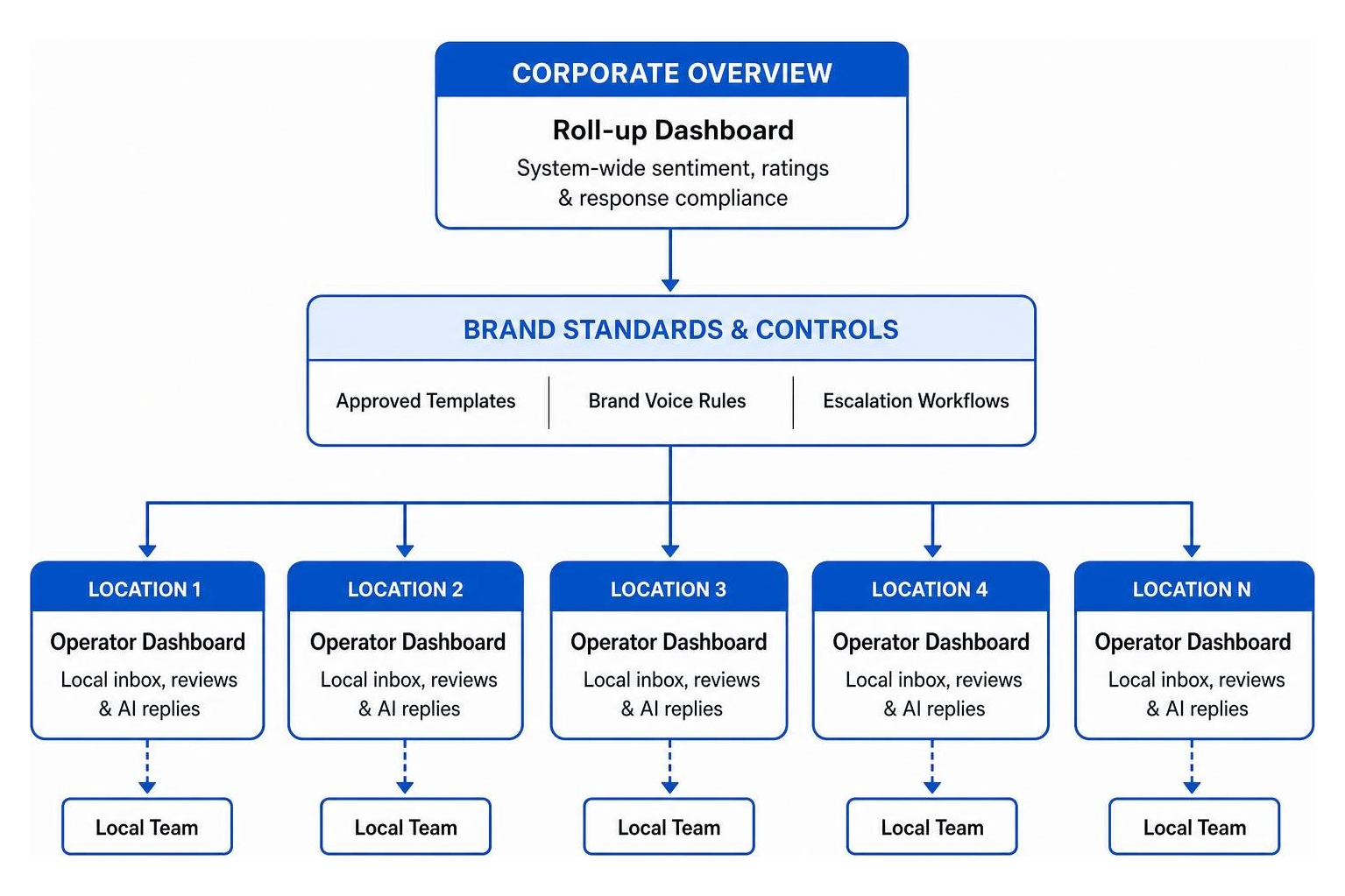
This structure ensures that:
- Corporate gets a roll-up dashboard: A high-level view of system-wide sentiment, average ratings, and response rate compliance across all regions.
- Local operators get an individual inbox: Local managers receive daily briefs and pre-drafted, localized replies, keeping them accountable for their own locations without corporate having to micromanage.
- Brand standards remain consistent: Approved templates and strict brand rules prevent rogue, unprofessional responses from going public.
How Reputation Software Boosts Local SEO and Revenue
Your online reputation and your search engine visibility are deeply intertwined. When hungry diners search for “best Italian restaurant near me” or “burgers open now,” Google’s local search algorithm determines which three restaurants make it into the coveted “Local Pack” (the map results at the top of the search page).
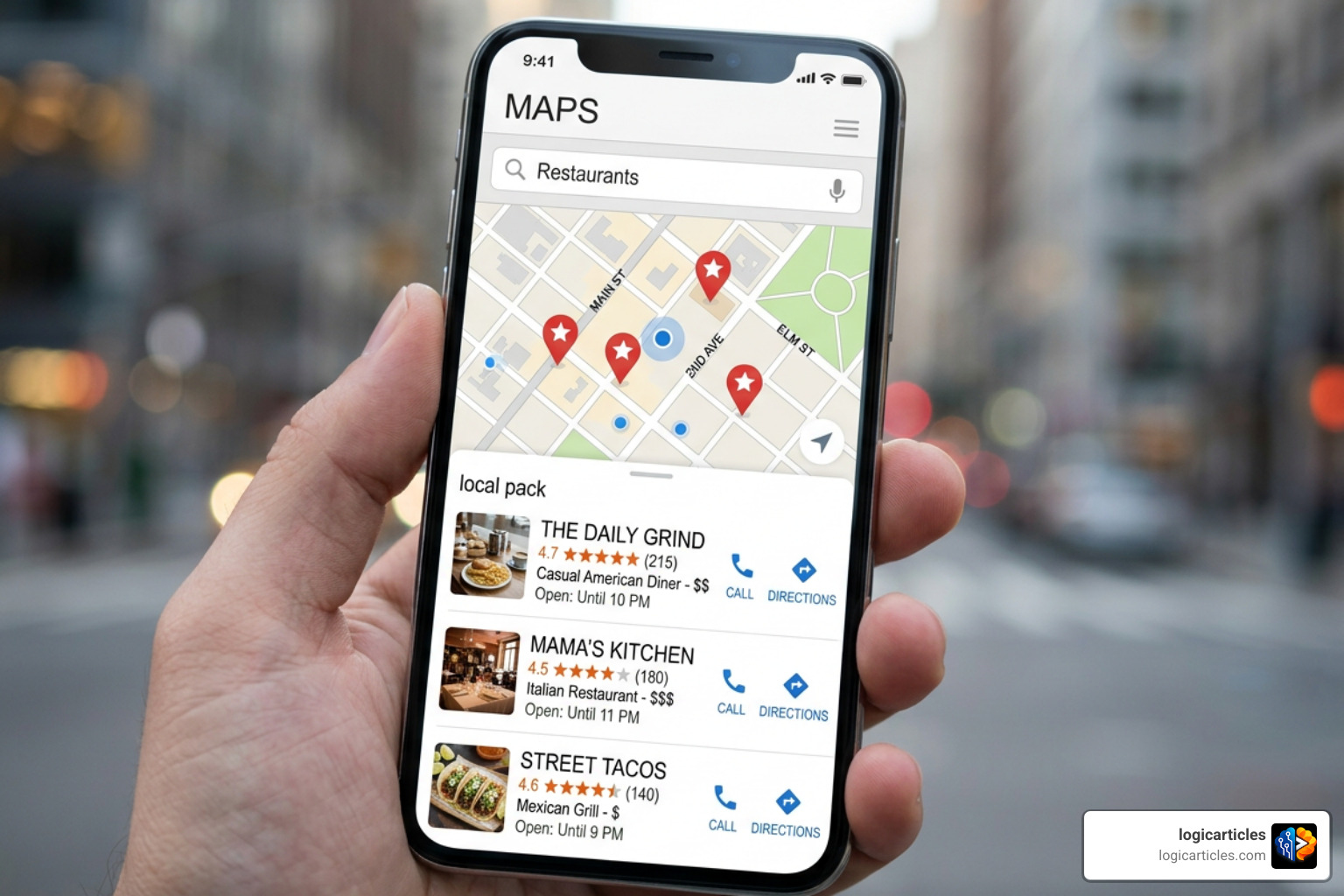
Google prioritizes businesses with high ratings, consistent review velocity (how frequently you get new reviews), and high response rates. In fact, poor ratings can slash your Google Maps visibility by up to 70%, while rising from a 3.8 to a 4.3-star rating can increase your bookings by 30% to 40%.
Using an automated platform like E-Reputation | Product | Malou helps restaurants secure these local rankings by syncing listings across 50+ directories and automatically embedding search-friendly keywords into review responses.
To see the difference clearly, let’s look at how manual review management compares to an automated system:
| Feature | Manual Review Management | Automated Reputation Software |
|---|---|---|
| Daily Time Commitment | 1 to 2 hours per day | 5 to 10 minutes per day |
| Review Platforms Monitored | Usually only Google & Yelp (others missed) | 17+ platforms monitored simultaneously |
| Response Rates | Average 20% to 30% | Average 70% to 100% |
| Negative Feedback Handling | Publicly visible immediately | Intercepted and routed privately first |
| Review Volume Growth | Slow and inconsistent | Up to 128% increase in the first 90 days |
| SEO Impact | Minimal (no keyword optimization) | High (consistent replies, optimized listings) |
Optimizing Search Visibility with Restaurant Reputation Management Software
In 2026, the local search landscape has expanded beyond traditional Google searches. Diners are increasingly using conversational AI platforms like ChatGPT, Google Gemini, and Perplexity to make dining decisions. A modern consumer might ask: “What is a highly-rated sushi spot in downtown Denver that has outdoor seating and great vegetarian options?”
These AI engines crawl the web, analyzing thousands of human reviews to formulate their recommendations. To be cited by these AI tools, your restaurant needs a high volume of descriptive, keyword-rich reviews and active public engagement.
By leveraging Restaurant Review Management Software | re:spondelligent , businesses can automate their review collection and optimize their response workflows. This ensures their restaurant remains highly visible not just on Google Maps, but across the entire landscape of AI-powered search engines.
Frequently Asked Questions about Restaurant Reputation
Managing your restaurant’s digital footprint can raise a lot of questions. If you are also looking to organize your restaurant’s internal policies, training materials, and guides, using the best knowledge base software in 2026 is a great way to keep your team aligned.
Here are the most common questions restaurant owners ask about reputation management software:
How does reputation software handle fake or unfair reviews?
Reputation software uses advanced pattern detection to flag suspicious reviews automatically. It analyzes indicators like the reviewer’s account history, sudden spikes in negative reviews, and generic language often associated with competitor smear campaigns or bot farms.
Once flagged, the software guides you through the official platform dispute policies, helps you compile the necessary evidence (like transaction histories or screenshots), and tracks the status of the removal process. Many platforms achieve a dispute success rate of over 68%, saving your business from unfair rating drops.
What is the average ROI of reputation management software?
The return on investment is both immediate and measurable. On average, restaurants using reputation software see:
- A 128% increase in review volume within the first 90 days.
- 15 to 20 hours saved per week on manual review monitoring and writing.
- A 5% to 9% boost in revenue from achieving a one-star rating increase.
- Up to 35% more revenue simply by maintaining a consistent review response rate.
By automating these processes, you recover thousands of dollars in labor value while driving more foot traffic and direct reservations to your locations.
Can reputation tools integrate with POS and reservation systems?
Yes! The most powerful reputation systems integrate directly with your Point of Sale (POS) and reservation platforms (like OpenTable or Resy). This allows the software to cross-reference review sentiment with actual transaction data.
For example, if a guest leaves a review mentioning a long wait time for their steak, the system can match the feedback to the specific table, server, and ticket. Furthermore, integrating the software with your guest WiFi network allows you to trigger automated feedback surveys via SMS or email the moment a guest leaves the building, capturing their thoughts when their dining experience is freshest.
Conclusion
In the hospitality industry, your restaurant’s online reputation is your most valuable asset. Utilizing restaurant reputation management software is no longer a luxury reserved for massive corporate chains—it is an essential tool for any local restaurant looking to thrive in a highly competitive digital market.
By centralizing your review streams, leveraging AI to write personalized responses, and automating your review generation, you protect your brand, improve your local search rankings, and fill more seats.
If you are ready to explore the best software solutions to streamline your restaurant’s operations, protect your digital presence, and scale your business, check out our comprehensive guides on the logicarticles Best Software Categories.