Why the Best Email Marketing Campaigns Still Dominate Digital Marketing

The best email marketing campaigns deliver results that almost no other channel can match. While social media algorithms change overnight, email gives brands a direct line to their audience — one that converts.
Here’s a quick look at the top email marketing campaigns worth knowing about:
- PUMA — Hyper-personalized emails across 27 markets drove triple-digit revenue growth
- John Frieda — Survey-driven lifecycle campaigns achieved 4.2x higher conversion rates
- Bombas — Persona-based Mother’s Day gifting email organized by lifestyle (cozy, everyday, sporty)
- Chamberlain Coffee — “Random refunds” flash sale created viral urgency
- Tushy — Witty, myth-busting copy turned a hard-to-sell product into an inbox favorite
- Cuyana — Numbered welcome emails styled like magazine issues built strong first impressions
- Taylor Stitch — Browse abandonment emails with discounts and free returns recovered lost sales
- PrettyLitter — Halloween campaign combined reviews, benefits, promo code, and a free offer
- Red Dragon Darts — 5-day countdown timer for a 50th anniversary launch drove urgency
- Brightland — Post-purchase founder letter humanized the brand and built lasting loyalty
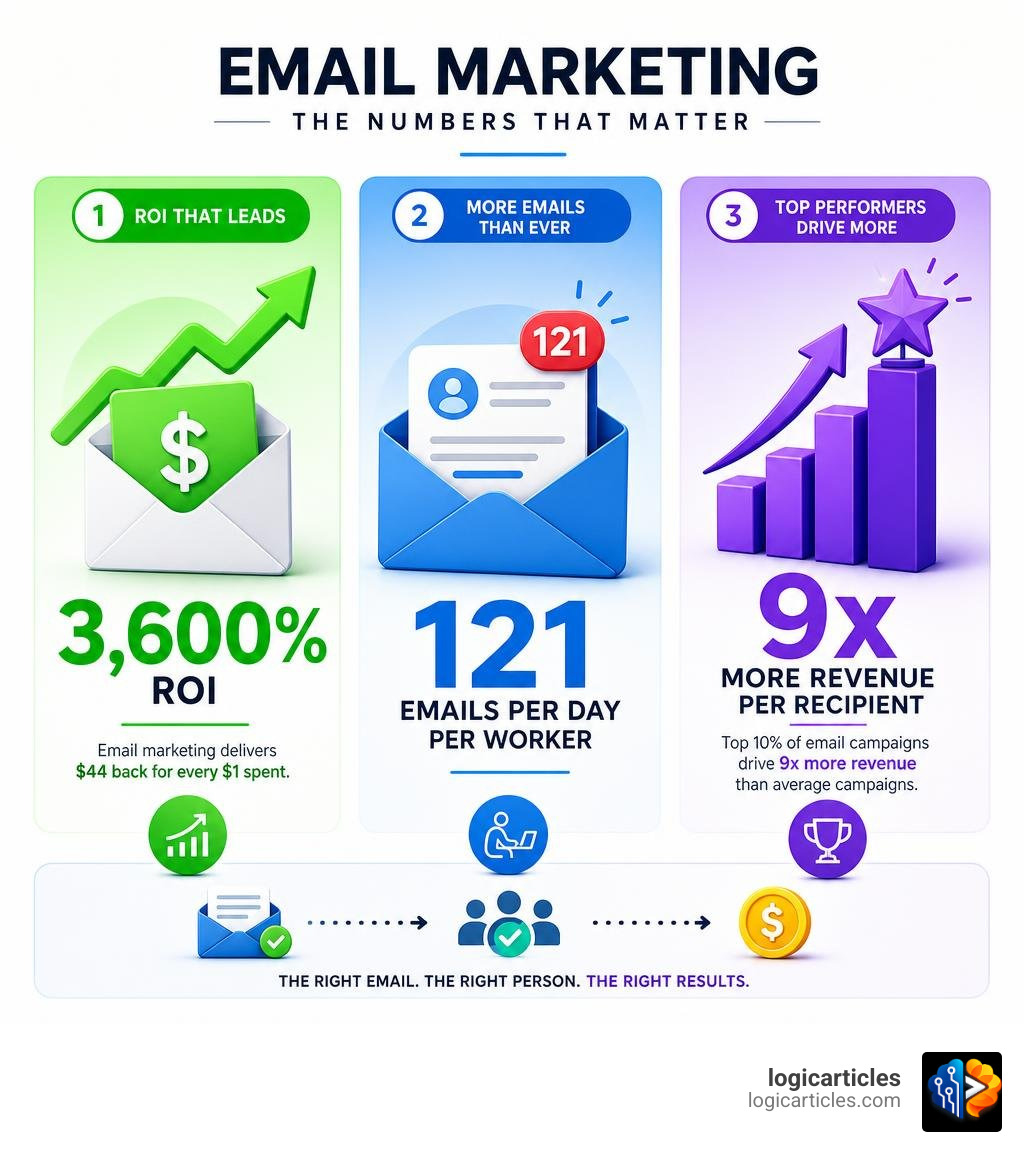
Email marketing delivers a 3,600% ROI — that’s $44 back for every $1 spent. And yet, the average office worker receives around 121 emails per day. That gap between potential and noise is exactly the problem.
Most emails get ignored. A few get remembered. The difference between the two is what this article is about.
The top 10% of email campaigns convert 5x more subscribers and drive 9x more revenue per recipient than average campaigns. That’s not luck — it’s strategy, timing, and relevance working together.
Whether you’re a solo founder or a marketing team at a growing brand, understanding what separates a forgettable email from a high-performing one is the fastest way to improve your results.
What Makes the Best Email Marketing Campaigns Successful?

To design email campaigns that actually convert, we need to look beyond pretty templates. The best email marketing campaigns succeeding in June 2026 are built on a deep integration of data, human psychology, and artistic storytelling.
When we analyze why some brands achieve massive open rates while others land straight in the spam folder, we find a few core components that make all the difference.
Hyper-Personalization and Advanced Segmentation
The era of “batch-and-blast” email marketing is officially dead. Today, 77% of consumers prefer receiving promotional content through email over other channels, but only if that content is highly relevant to them.
Personalized emails can improve click-through rates (CTR) by an average of 14% and conversions by 10%. But real personalization goes far deeper than simply dropping a subscriber’s first name into the subject line. The most successful brands use advanced segmentation to create highly targeted sub-lists based on:
- Declared Preferences: Information gathered directly from subscribers via preference centers or interactive onboarding surveys.
- Behavioral Tracking: Real-time data showing which products a subscriber viewed, what articles they read, or how long they spent on a specific landing page.
- Psychographic Profiles: Segmenting users by their lifestyle, values, and buying motivations (e.g., categorizing gift-shoppers versus self-shoppers).
By grouping subscribers into hyper-focused segments, we can deliver dynamic content that adapts to each recipient. For example, a subscriber who has shown a preference for vegan products will receive entirely different product recommendations than one who buys traditional leather goods—even if they are both opened from the exact same promotional campaign.
Balancing Brand Storytelling with Clear Calls-to-Action
It is easy to fall into the trap of treating email as a pure sales catalog. However, the highest-converting campaigns understand how to balance emotional brand storytelling with conversion-focused design.
A great email should guide the reader through a logical narrative arc:
- The Hook (Header): Grab attention with an intriguing headline or a striking hero image.
- The Story (Body): Build an emotional connection or deliver valuable educational content. Why does this product exist? How does it make the reader’s life better?
- The Action (CTA): Provide a clear, low-friction next step.
Maintaining a strong visual hierarchy is critical. If your email contains multiple product blocks, endless paragraphs of text, and five different competing buttons, your reader will experience decision fatigue and close the message. The best campaigns use clean layouts, ample white space, and highly focused calls-to-action (CTAs) that make the next step feel completely effortless.
Top 10 Best Email Marketing Campaign Examples to Inspire You
To help you visualize how these principles look in practice, let us look at some of the most innovative and successful campaigns from recent years.
Below is a comparison of how different campaign types perform across key industry benchmarks:
| Campaign Type | Primary Goal | Key Performance Metric | Why It Succeeds |
|---|---|---|---|
| Welcome Series | Brand Introduction & Trust | Open Rate (Target: 50%+) | High subscriber intent immediately after signup |
| Abandoned Cart | Revenue Recovery | Conversion Rate (Target: 5%+) | Directly addresses purchase hesitation with social proof |
| Seasonal Promo | Short-Term Sales Boost | Click-Through Rate (Target: 3%+) | Leverages urgency, curation, and exclusive offers |
| Post-Purchase Flow | Customer Retention & Loyalty | Repeat Purchase Rate | Delivers value through education and personal connection |
Case Study: How Rhode and Nike Redefined Product Launches
Modern product launches require a seamless blend of digital storytelling, influencer hype, and interactive elements. Two standout examples of this are the Rhode skincare launches and Nike’s creative partnership campaigns.
When Hailey Bieber launched her skincare brand, the team executed a masterclass in multi-channel marketing. As detailed in the Rhode x The Biebers Campaign Rollout Analysis, the brand did not rely on standard promotional emails. Instead, they built a highly coordinated digital narrative that linked email teasers directly to social media moments, exclusive pop-ups, and celebrity-backed content. Each email in the launch sequence felt like an exclusive, behind-the-scenes update, making subscribers feel like VIP insiders rather than targets in a sales funnel.
Meanwhile, Nike proved that product launches can step completely out of the digital inbox and into the real world. In a legendary collaboration, Nike, McDonald’s, and NBA star Devin Booker turned a highly anticipated sneaker drop into an interactive desert scavenger hunt in Arizona.
As reported in the Nike Desert Scavenger Hunt Sneaker Drop Case Study, the campaign used cryptic coordinates hidden in social videos and emails to lead dedicated fans to a real-world activation at a unique Sedona McDonald’s (famous for its turquoise arches). This brilliant crossover showed how email can serve as the primary communication hub for immersive, real-world brand experiences.
Narrative and Persona-Based Gifting in the Best Email Marketing Campaigns
For e-commerce brands, seasonal gift guides are historically the most crowded and competitive emails of the year. To stand out, leading brands are abandoning generic product grids in favor of narrative-driven, persona-based curation.
A prime example of this is the Pandora x Bridgerton collaboration. Instead of just listing rings and necklaces, the campaign focused heavily on the romantic lore of the popular television show.
According to the Pandora x Bridgerton Product Launch Email Case Study, the campaign succeeded by leading with emotion and symbolic storytelling (using iconic motifs like bees, florals, and pearls) before introducing product grids. This narrative-first layout converted both die-hard fans of the show and casual jewelry buyers by focusing on the symbolic meaning of the collection.
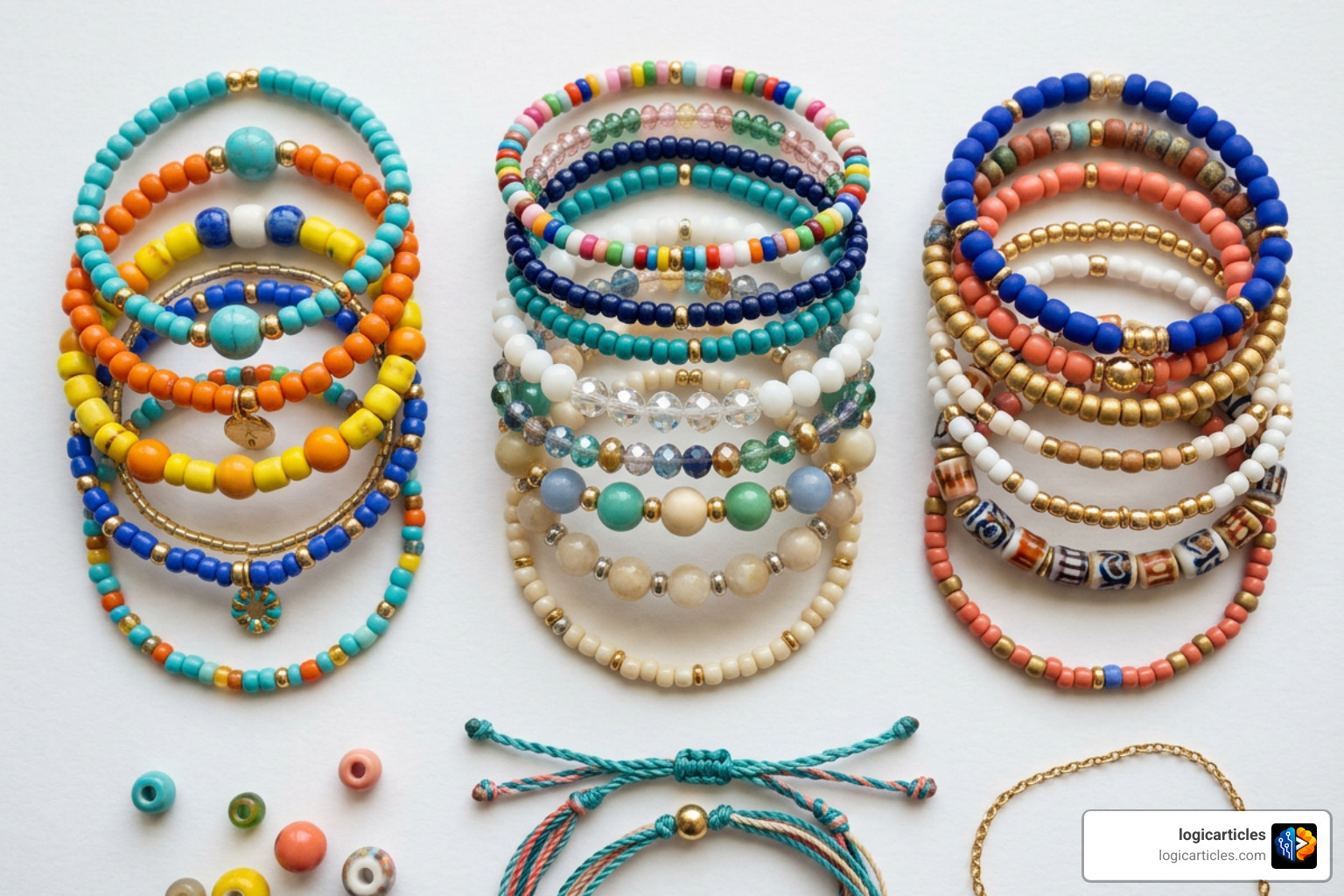
Another brand that excels at helping customers find the right “vibe” is Pura Vida. In their spring campaigns, they group products not by category, but by styling aesthetic and occasion.
The Pura Vida Spring Stack Email Analysis highlights how the brand uses color-coded sections and flat-lay photography to help customers visualize how different bracelets look when stacked together. By organizing their email around a cohesive visual “vibe,” they make the shopping experience feel inspiring and intuitive.
Similarly, Bombas completely reimagined the traditional Mother’s Day gift guide. Rather than sending a generic “Treat Mom” discount code, they organized their gifting email around distinct lifestyle personas: the “cozy” mom, the “everyday” mom, and the “sporty” mom.
As analyzed in the Bombas Persona-Based Gifting Email Analysis, this approach reduces decision overload for the shopper. Bombas also carried their signature brand voice from the playful headline (“Moms are a lot like socks”) all the way to a humorous footer sign-off, creating a highly engaging and cohesive reading experience.
B2B Storytelling and the Best Email Marketing Campaigns
Storytelling is not just for direct-to-consumer retail brands. In the B2B space, where campaigns are often dry and feature-heavy, emotional storytelling can be a massive competitive advantage.
When Canva wanted to challenge legacy corporate presentation software, they did not just send out a list of new design features. Instead, they launched an incredibly creative campaign featuring a therapist from The Sopranos holding a literal intervention for corporate workers stuck using outdated tools.
As documented in the Canva Sopranos Therapist Campaign Case Study, this emotional, humor-driven approach helped the campaign reach 84% of knowledge workers in the US and drove an incredible $22.6 million in incremental revenue.
By addressing the real emotional frustration of workplace inertia, Canva proved that B2B email marketing is most effective when it treats corporate buyers like real people with real feelings.
Essential Lifecycle Flows: Welcome, Abandoned Cart, and Post-Purchase Best Practices
While one-off promotional campaigns are great for seasonal pushes, the real backbone of your email marketing revenue comes from automated lifecycle flows. These are set-and-forget sequences triggered by specific customer actions.
The Welcome Series: Setting Expectations and Building Trust
The welcome email is the single most important message you will ever send. It is triggered the exact moment a user signs up, which is when their purchase intent and interest in your brand are at their absolute peak.
A great welcome series should accomplish three main things:
- Introduce the Brand: Share your origin story, your core values, and what makes you unique.
- Set Clear Expectations: Let subscribers know how often you will email them and what kind of content they will receive.
- Deliver Immediate Value: Provide your welcome discount, point them toward your bestsellers, or invite them to join an exclusive community.
To keep subscribers engaged, consider numbering your welcome emails like magazine issues (e.g., “Issue 1: Our Story,” “Issue 2: The Collection”). This simple design trick, used beautifully by minimalist brands like Cuyana, sets clear expectations and builds natural anticipation for the next email in the sequence.
Abandoned Cart and Browse Abandonment Flows
An abandoned cart email is your second chance to make a first impression. Shoppers who add items to their cart but leave without purchasing are highly qualified leads who just need a gentle nudge to complete their order.
To maximize recoveries, your abandoned cart flow should address common buying objections directly:
- Offer Social Proof: Include real customer reviews and transformation photos featuring the exact product left in the cart.
- Handle Objections: Highlight your free shipping, easy return policies, or satisfaction guarantees to reduce buying risk.
- Create Subtle Urgency: Let the shopper know that stock is limited or use a dynamic countdown timer to show when their cart reservation expires.
For browse abandonment flows (triggered when a user views a product page but does not add the item to their cart), keep the tone helpful rather than pushy. Send a friendly message showcasing the viewed product alongside expert tips or complementary product recommendations.
Post-Purchase Flows: Driving Loyalty and Retention
The customer journey does not end at checkout. In fact, the post-purchase phase is where you turn one-time buyers into lifelong brand advocates.
Instead of immediately sending another sales pitch, use your post-purchase flow to deliver pure, unadulterated value:
- Product Education: Send step-by-step tutorials, video guides, or styling tips to help them get the most out of their purchase.
- Humanize the Brand: Send a text-based thank-you letter directly from the founder, expressing genuine gratitude for their support.
- Gather Feedback: Wait an appropriate amount of time for them to use the product, then send an incentivized survey to gather valuable customer insights.
Once trust is established and the customer is happy, you can strategically introduce personalized cross-sell recommendations based on their purchase history.
How to Optimize Campaigns: Metrics, A/B Testing, and Avoiding Common Mistakes
To keep your email program growing, you must continuously test, measure, and refine your approach.
Key Metrics and Benchmarks to Track
To measure the health and success of your email campaigns, you should focus on five core metrics:
- Open Rate: Measures the effectiveness of your subject lines and sender name. (Healthy benchmark: 20% to 30%+).
- Click-Through Rate (CTR): Measures how engaging your email content, design, and CTAs are. (Healthy benchmark: 2% to 5%).
- Conversion Rate: The percentage of email clickers who complete a purchase. (Healthy benchmark: 1% to 3%+).
- List Churn Rate: The rate at which people unsubscribe or mark your emails as spam. (Should be kept under 0.5% per send).
- Revenue per Recipient (RPR): The total revenue generated by a campaign divided by the number of successful deliveries.
A/B Testing and Continuous Optimization
Never guess what your audience prefers—test it. When running A/B tests, make sure to test only one variable at a time so you can clearly isolate what caused the change in performance.
Some of the most impactful elements to test include:
- Subject Lines: Test a “safe” descriptive subject line against a creative, curiosity-inducing version. Keep them under five words when possible.
- Email Templates: Test a highly designed, image-heavy layout against a simple, text-only email that looks like it was sent from a friend.
- Send Times: Use send-time optimization tools to test whether your audience is more likely to open emails in the morning, during lunch breaks, or on weekends.
Common Email Marketing Mistakes to Avoid
Even the most experienced marketers make mistakes. Here are some of the most common pitfalls to watch out for:
- Ignoring Mobile Optimization: Over 50% of emails are opened on mobile devices. If your text is too small, your buttons are too close together, or your images do not scale properly, mobile readers will delete your email immediately.
- Unbalanced Image-to-Text Ratios: Sending emails that consist of one giant image with no live text is a fast track to the spam folder. Spam filters cannot read images, so they often flag image-only emails as suspicious. Always maintain a healthy balance of live text and images.
- Neglecting List Hygiene: Sending emails to inactive or dead addresses destroys your sender reputation and hurts your deliverability. Regularly clean your list by removing unengaged subscribers who have not opened an email in over six months.
Frequently Asked Questions About Email Marketing
What is the average ROI of email marketing campaigns?
The average ROI of email marketing is an outstanding 3,600% (or $44 returned for every $1 spent). This incredibly high return makes email one of the most cost-effective channels in your marketing budget, allowing you to generate consistent, predictable revenue without relying on expensive paid advertising.
How often should brands send marketing emails?
There is no one-size-fits-all answer, but the general rule is to prioritize quality over quantity. For most brands, sending 1 to 3 high-value emails per week is the sweet spot. The key is to monitor your unsubscribe rates and subscriber engagement; if your open rates start dropping, it is a clear sign of subscriber fatigue, and you should scale back your frequency.
How can small businesses compete with enterprise email campaigns?
Smaller brands and startups actually have a major advantage: agility. While enterprise brands have to navigate corporate approval chains and complex legal requirements, small businesses can write in a highly authentic, conversational brand voice. You can compete effectively by leaning heavily into hyper-niche segmentation, offering personalized customer service, and sending text-based personal notes from the founder that build deep, genuine connections.
Conclusion
The best email marketing campaigns are those that treat subscribers like real human beings. By focusing on smart segmentation, authentic brand storytelling, and beautifully designed automated flows, you can easily cut through the inbox noise and build a highly profitable, loyal audience.
Of course, executing these strategies requires the right tools. To find the perfect platform to design, automate, and scale your email campaigns, Explore the best email marketing software options and start building your high-converting email engine today.