The Best CFO Software for Small Business at a Glance

Finding the best CFO software for small business doesn’t have to be overwhelming. Here’s a quick look at the top options:
| Tool | Best For | Starting Price |
|---|---|---|
| Jirav | FP&A advisory & forecasting | Contact for pricing |
| QuickBooks | All-in-one accounting + finance | ~$30/month |
| Xero | Cloud accounting with reporting | ~$20/month |
| Dryrun | Cash flow scenario planning | Contact for pricing |
| FlyCFO | AI-powered forecasting | $490/month |
| Finoya | AI cash flow monitoring | Free trial available |
| Finz | Owner-led businesses ($5M–$30M) | $299/month |
| InFin.ai | Startups needing CFO support | Contact for pricing |
Most small business owners didn’t start their company to stare at spreadsheets. But here’s the reality: nearly half of all startups fail because of financial mismanagement, and 29% run out of cash entirely.
The gap between knowing your current bank balance and actually understanding where your business is heading financially? That gap is expensive.
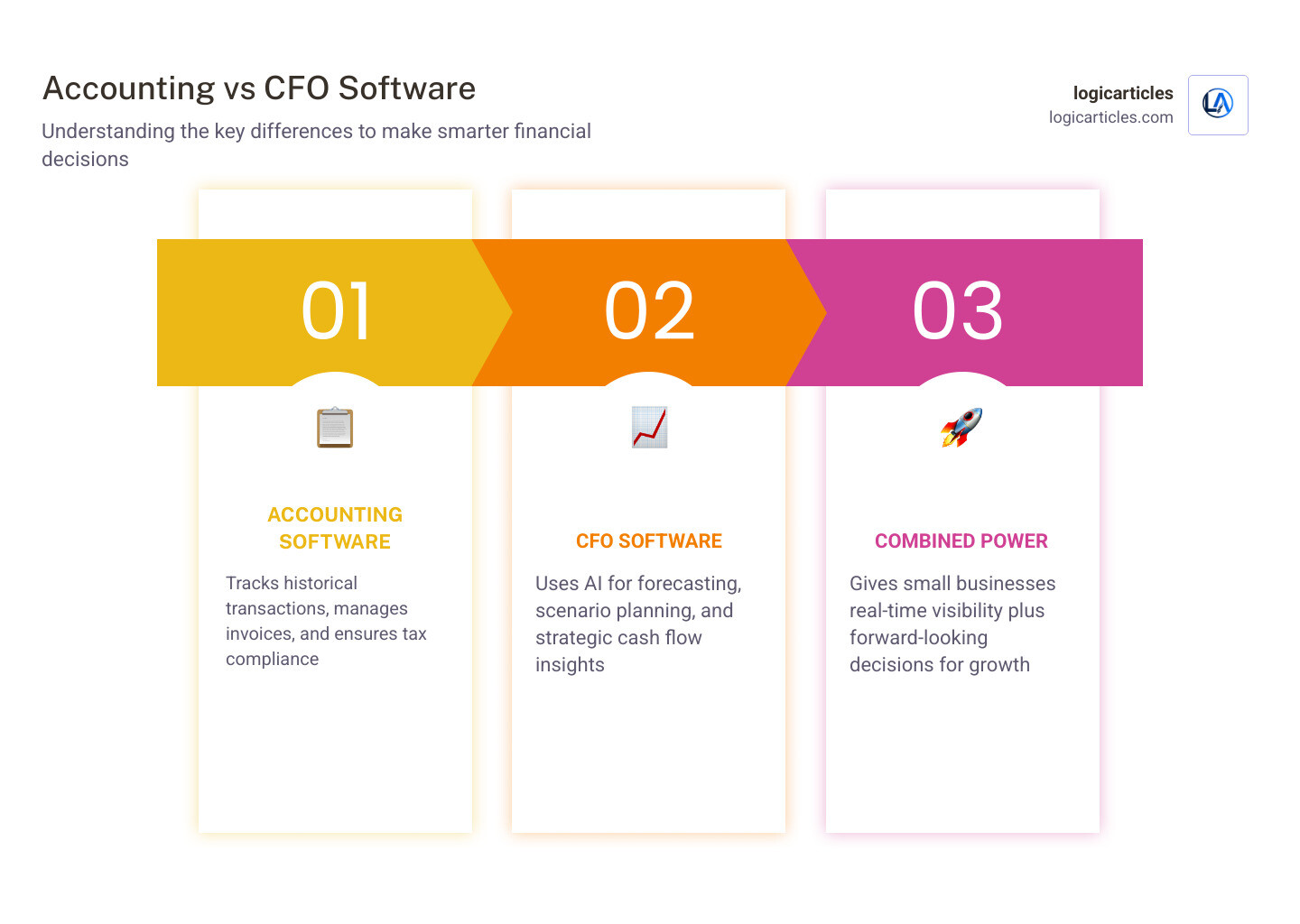
Traditional accounting software tells you what already happened. CFO software tells you what about to happen — and what you should do about it. That shift from looking backward to planning forward is exactly what separates businesses that scale from those that struggle.
In May 2026, small businesses have more accessible, affordable, and powerful CFO tools than ever before. AI-driven forecasting, real-time dashboards, and cloud-based scenario planning are no longer reserved for companies with full finance departments.
This guide cuts through the noise and shows you exactly which tools are worth your time and money.
Why Small Businesses Need Specialized CFO Software in 2026
If you’ve ever felt like you’re flying blind despite having “the books” in order, you’re not alone. In May 2026, the speed of business requires more than just hindsight. We need foresight. While basic accounting software tracks your historical transactions, specialized CFO software provides the strategic layer necessary for actual growth.
One of the most compelling reasons to adopt these tools is the rise of Financial Planning and Analysis (FP&A) advisory. Statistics show that firms offering high-demand FP&A advisory services are 34% more profitable than those that don’t. For a small business owner, this means that having a tool that facilitates these insights isn’t just a “nice-to-have”—it’s a direct driver of your bottom line.
Specialized platforms like Small Business Cash Flow Management Software offer a level of visibility that spreadsheets simply can’t match. Instead of spending 20 hours a month wrestling with Excel, these tools automate the data sync, allowing you to focus on decision-making. Whether it’s deciding if you can afford a new hire or identifying a margin drift before it becomes a crisis, CFO software provides the clarity to act confidently.
By leveraging these tools, we can scale operations without the constant fear of a “cash crunch.” They allow us to monitor the cash conversion cycle and identify risks 2 to 4 weeks earlier than traditional methods. In the modern economy, that lead time is the difference between a minor adjustment and a major disaster.
Essential Features to Look for in CFO Platforms
When we’re hunting for the best CFO software for small business, it’s easy to get distracted by flashy icons. However, the true value lies in the “engine” of the software. Here are the non-negotiables:
Scenario Planning
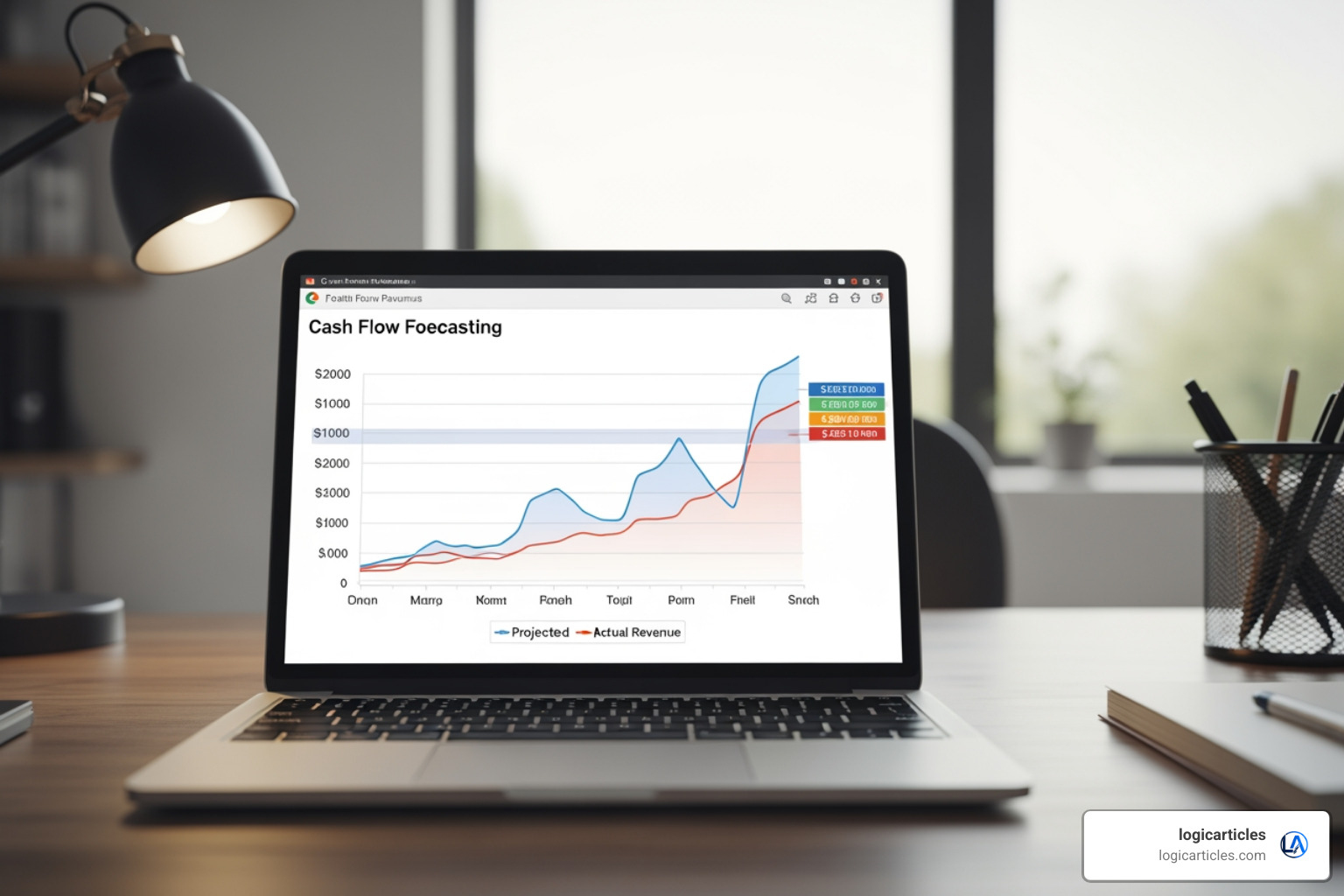
This is the “What If” machine. What if your biggest client pays 30 days late? What if you increase your marketing spend by 20%? A good CFO tool allows you to clone your current financial model and tweak variables to see the outcome instantly. This is much safer than “guessing and checking” with your actual bank account.
Real-Time Reporting and Dashboards
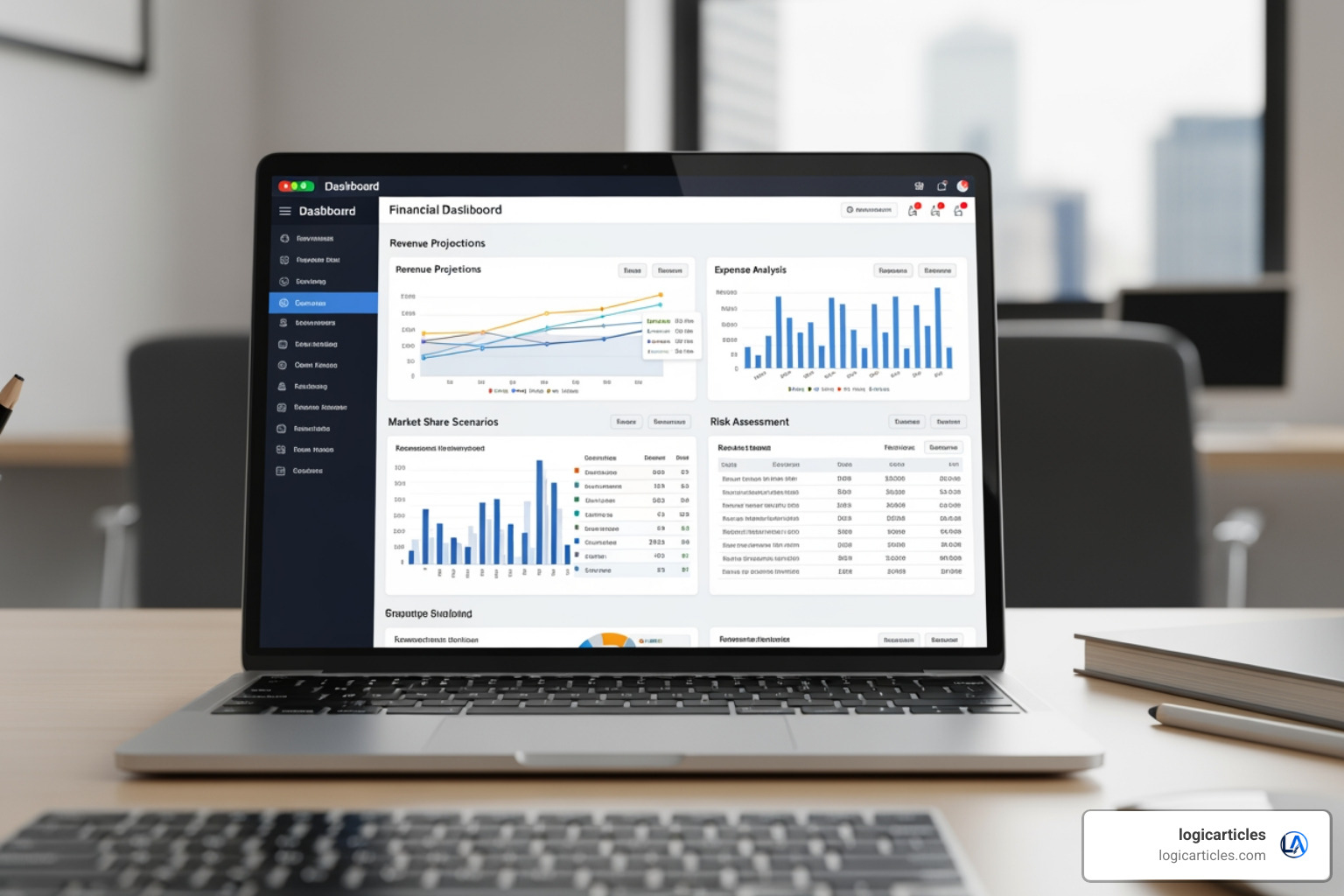
Static reports are dead on arrival. You need a dashboard that connects directly to your bank accounts and accounting software. If you’re in a specific niche, such as construction, you might even look for specialized integrations like those found in the Best Construction Financial Management Software to handle job costing and progress billing alongside your high-level CFO metrics.
AI-Powered Forecasting
In 2026, AI is no longer a buzzword; it’s a productivity multiplier. Modern tools use machine learning to achieve 95%+ accuracy in cash flow forecasting. They learn your business’s specific patterns—like that weird dip in revenue every August or the spike in utility costs in January—and factor them into your future projections automatically.
Data Security and Compliance
Financial data is the crown jewel of your business. The platform you choose must use AES-256 encryption and ideally hold SOC 2 Type II or ISO 27001 certifications. You are trusting this software with your entire financial history; ensure it has the “bank-grade” vault to protect it.
Top-Rated Tools: Finding the BEST cfo software for small business
The market is crowded, but a few names consistently rise to the top based on their ability to serve the “missing middle”—those businesses too big for a simple checkbook but too small for a $50,000 ERP system.
Jirav
Jirav is a powerhouse for those who want to move from hindsight to foresight. It’s particularly popular among accounting firms that want to offer “Virtual CFO” services. It automates reporting and analytics, allowing you to compare actuals to your budget in real-time. It’s built for scale, using driver-based modeling that helps you understand exactly what moves the needle in your business.
Xero and QuickBooks
While these are primarily accounting tools, they have evolved. Xero is often cited as a top choice for CFOs due to its clean interface and robust ecosystem of “add-on” apps. QuickBooks remains the “standard” for many, offering built-in cash flow planners that provide a basic but effective look at the road ahead.
Dryrun
Dryrun is the specialist for cash flow and scenario modeling. If you are a fractional CFO or a business owner obsessed with “what-if” scenarios, Dryrun is your best friend. It’s designed to be visual and fast, making it easy to present complex financial paths to stakeholders without putting them to sleep.
Finoya
For those who want an AI CFO software for SMEs, Finoya is a standout. It acts as a proactive financial co-pilot. Instead of you having to dig for insights, it monitors your accounts 24/7 and flags risks automatically. It’s built for the owner who wants to ask questions in plain English, like “Can I afford to buy that new delivery truck?” and get a data-backed answer in seconds.
FlyCFO and Finz
FlyCFO positions itself as an intelligence layer that sits on top of your existing accounting software. It’s known for high-accuracy AI models that can save up to 87% of the time usually spent on month-end closes. Meanwhile, Finz is specifically built for “real economy” operators—think franchises and PE-backed portfolios—providing controller-grade visibility without the need for a massive finance team.
Business in a Box
If you’re looking for a total “operating system,” Business in a Box offers a comprehensive suite. It replaces multiple disconnected tools (invoicing, task tracking, document management) with one AI-powered platform. It’s a great choice for CFOs who find themselves spending more time reconciling data between apps than actually analyzing it.
Best CFO Software for Small Business Startups and Scale-ups
Startups have a unique set of problems: burn rate and runway. When you’re venture-backed or bootstrapping a high-growth company, knowing exactly when the “money runs out” is a matter of survival.
Tools like InFin.ai provide A Complete CFO Stack for Startups, combining software with expert support. This hybrid approach is vital for startups that need to manage R&D tax credits, equity management, and fundraising support all in one place.
For these companies, the “CFO software” isn’t just about tracking expenses; it’s about predicting the next 18 months of burn to ensure they hit their next milestone before the bank balance hits zero. Almost 30% of startups fail because they run out of cash; having a dedicated runway prediction tool can literally be a lifesaver.
Best CFO Software for Small Business Fractional Advisory
The rise of the “Fractional CFO” has changed the landscape for small businesses. These are expert financial pros you hire for a few hours a week rather than a full-time salary. For these professionals, having the right Tools for the Fractional CFO is essential for managing multiple clients efficiently.
Using specialized FP&A software allows fractional CFOs to achieve incredible results—some firms report client retention rates as high as 94% because they can provide such deep, actionable insights during their monthly meetings. By standardizing reporting across all their clients, they can move from “accounting hindsight” to “advisory foresight” in a matter of weeks. This efficiency allows them to scale their own practice while providing high-value strategy to the small businesses they serve.
Overcoming Implementation Challenges
We’ll be honest: moving your financial life into a new software platform isn’t always a walk in the park. There are three main hurdles we usually see:
- Data Integrity: If your current books are a mess, the software will just give you “automated mess.” You must ensure your accounting is reconciled and up-to-date before the AI can give you accurate forecasts.
- Integration Hurdles: While most modern tools offer “one-click” sync with QuickBooks or Xero, some legacy systems or specialized industry tools might require more work. If you’re managing complex assets, you might even look at how these tools interact with something like Best Family Office Accounting Software to ensure a unified view.
- The Learning Curve: Even the most intuitive software requires a shift in mindset. You’re moving from “checking the balance” to “modeling the future.” We recommend a structured 4-week onboarding process: connect your data in week 1, validate the historical transactions in week 2, run parallel reports in week 3, and go “live” in week 4.
Frequently Asked Questions about CFO Software
What is the difference between accounting software and CFO software?
Think of accounting software (like QuickBooks) as your rearview mirror—it tells you where you’ve been and ensures you’re compliant with taxes. CFO software is your GPS and windshield—it looks at the road ahead, predicts traffic (cash flow gaps), and helps you plan the best route to your destination.
How does AI improve small business financial forecasting?
AI doesn’t just “guess.” It analyzes years of your transaction data to find patterns that a human might miss. It can account for seasonality, payment trends from specific customers, and even external economic factors to provide a forecast that is often 95% accurate or higher.
Can small businesses afford high-end CFO tools?
Absolutely. While some enterprise ERPs cost thousands, many of the best CFO software for small business options start as low as $30 to $50 per month. Even the more “premium” AI tools at $300-$500 per month often pay for themselves by identifying cost savings or preventing a single bad hiring decision.
Conclusion
The role of the small business leader is changing. In May 2026, we can no longer afford to be “just” entrepreneurs; we have to be strategic financial managers. Whether you choose a hands-on modeling tool like Jirav or an automated AI co-pilot like Finoya, the goal remains the same: clarity.
At logicarticles, we believe that the best decisions are driven by data, not gut feelings. By implementing the right CFO stack, you’re not just buying software—you’re buying the peace of mind that comes with knowing exactly where your business is going.
Ready to dive deeper into the tools that can transform your business? Explore more software reviews on our platform to find your perfect match.