What is Cloud POS Software?
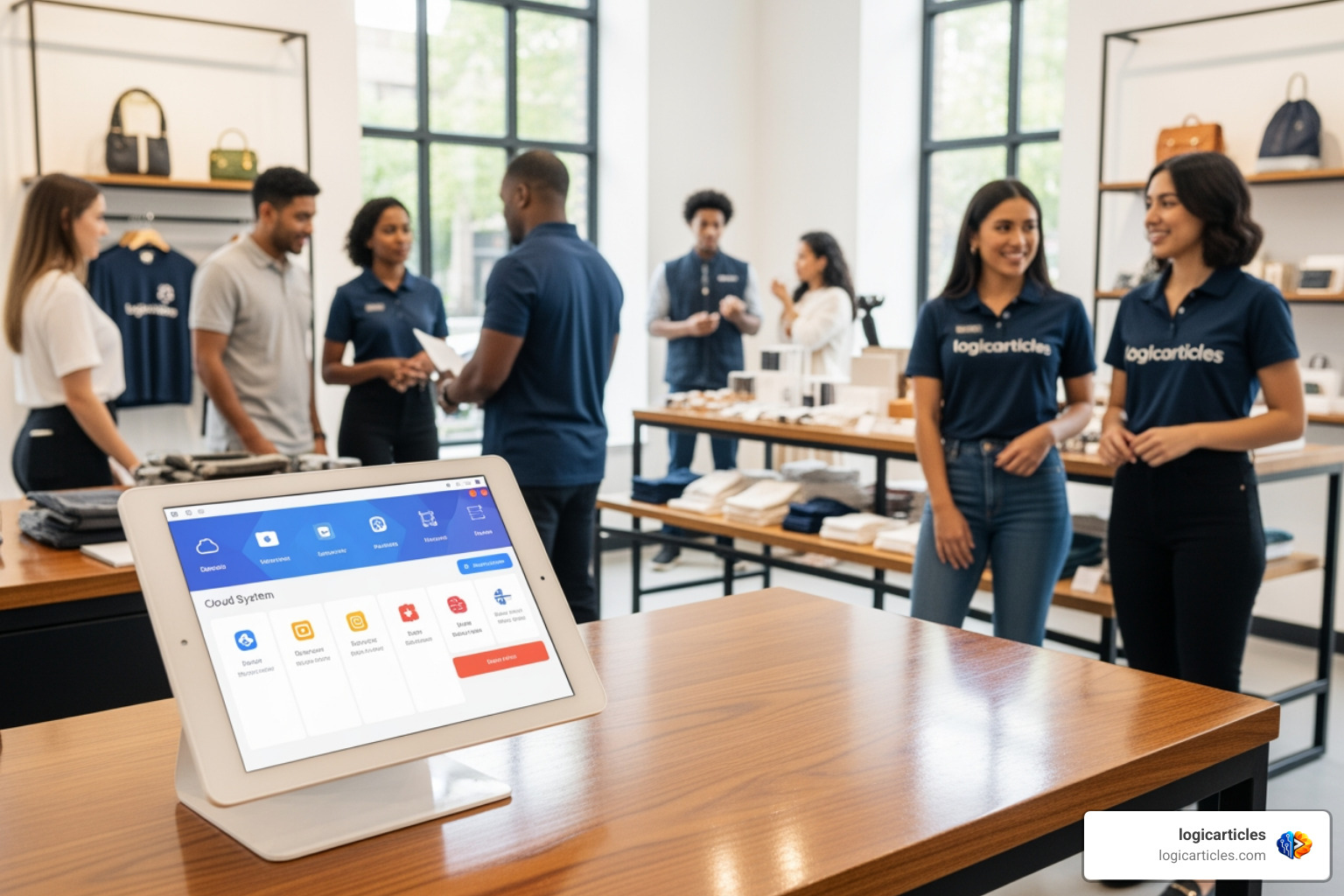
At its core, cloud POS software is a Software-as-a-Service (SaaS) solution. Unlike old-school systems that require a bulky server humming in a back room, cloud systems host all your business data—sales, inventory, and customer profiles—on remote servers managed by the provider. This shift from local to remote hosting is not just a technical change; it is a fundamental shift in how businesses manage their capital and operational expenses.
The beauty of this architecture is its accessibility. Because the “brains” of the system live online, you can check your sales figures from your smartphone while sitting at a beach or manage a store on the other side of the country from your home office. This is a far cry from the “incorruptible cashier” invented in 1879, which was designed purely to stop staff theft. Today, the goal is total business orchestration. In 2026, the point of sale is no longer the end of a customer journey, but a data-rich touchpoint that informs every other part of the business, from supply chain logistics to personalized marketing.
One of the most significant advantages we see in 2026 is the hands-off nature of maintenance. Traditional systems often require an IT professional to visit your site for manual software patches, leading to downtime and expensive service fees. With cloud solutions, updates happen automatically in the background. You wake up, and your system simply has more features or better security than it did the night before. This ensures that even the smallest boutique has access to the same enterprise-grade security and functionality as a global retailer.
Comparing Cloud and Traditional POS Systems
| Feature | Cloud POS Software | Traditional (Legacy) POS |
|---|---|---|
| Data Storage | Remote cloud servers | Local on-site server |
| Updates | Automatic and instant | Manual and periodic |
| Hardware | Hardware-agnostic (Tablets, Phones, PCs) | Proprietary, fixed terminals |
| Cost Structure | Subscription-based (OpEx) | High upfront investment (CapEx) |
| Accessibility | Anywhere with internet | On-premises only |
| Scalability | Instant; add locations with a click | Difficult; requires new hardware/servers |
For a deeper dive into the technical side, Understanding cloud-based POS architecture explains how these systems eliminate manual reconciliation across various business outlets. By centralizing data, businesses can achieve a “single source of truth,” which is essential for accurate financial reporting and strategic planning.
Essential Features for Modern Business Operations
When we evaluate cloud pos software for our readers, we look for features that do more than just “ring up” a sale. In 2026, a POS must be the central nervous system of your business, connecting disparate departments into a cohesive unit.
Inventory Management and Real-Time Analytics
Modern systems offer unlimited SKU management and real-time syncing. If a customer buys the last blue shirt in your physical store, your e-commerce platform should reflect that immediately to prevent overselling. High-end systems even include automated replenishment and RFID tagging support. This level of automation reduces the human error associated with manual stock takes and ensures that your capital isn’t tied up in overstocked items that aren’t moving.
Mobile-First Checkout and Clienteling
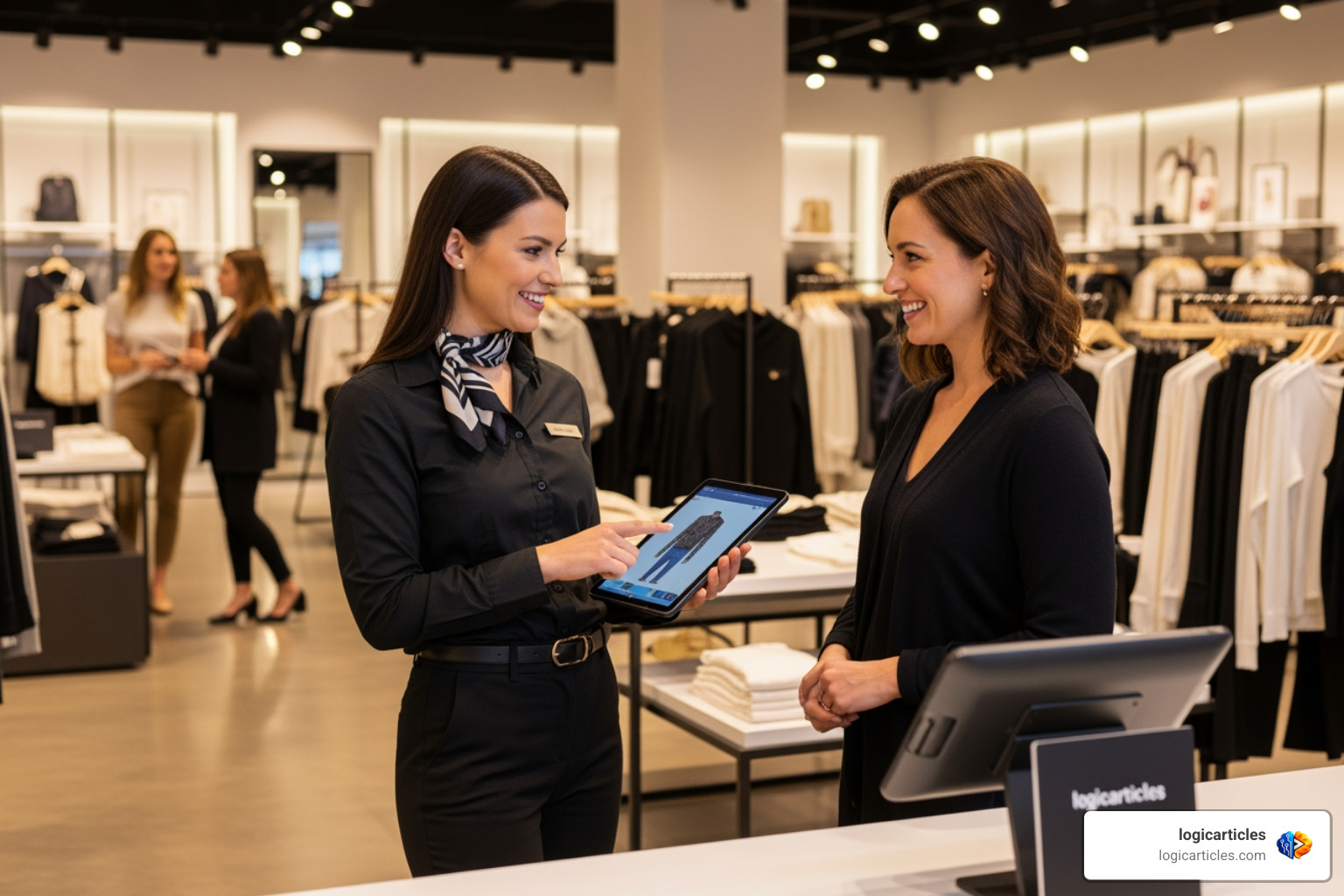
The days of standing behind a counter are fading. Mobile-first checkout allows staff to assist customers on the floor, look up their purchase history (clienteling), and complete the transaction right there. This reduces wait times and can boost conversions—some AI-integrated systems have seen conversion increases of up to 13%. By empowering staff with data at their fingertips, you transform them from simple cashiers into knowledgeable brand ambassadors who can make personalized recommendations based on a customer’s past behavior.
Omnichannel Fulfillment
Whether it is “Buy Online, Pick Up In Store” (BOPIS) or “Buy Online, Return In Store” (BORIS), your POS needs to handle mixed carts. A customer should be able to buy an in-stock item and order an out-of-stock item for home delivery in a single transaction. This flexibility is no longer a “nice-to-have”; it is a standard expectation for the modern consumer who values convenience above all else.
Multi-Location Management and Employee Tracking
For those running a franchise or a chain, Managing multi-location operations is vital. You need a centralized dashboard where you can update menus, change pricing, or view labor reports across fifty locations at once. Furthermore, modern cloud POS systems include robust employee management tools, allowing for digital clock-ins, performance tracking, and automated commission calculations, which simplifies the payroll process significantly.
Industry Applications: Retail, Hospitality, and Beyond
Different industries have vastly different needs, and cloud pos software has evolved to offer specialized “modes” that can be toggled with a single tap. This versatility allows the software to grow with a business as it pivots or expands into new sectors.
Hospitality and Hotels
In the hotel world, the POS doesn’t just live at the front desk. It’s at the pool bar, the spa, and the restaurant. Cloud systems allow for “room charges” to be synced instantly to the Property Management System (PMS). This ensures that when a guest checks out, every latte and cocktail they ordered across the property is already on their bill, eliminating manual errors and lost revenue. It also allows for better guest recognition; if a guest frequently orders a specific wine at the bar, the front desk can be alerted to have a bottle waiting in their room upon their next visit.
Cloud Kitchens and Delivery-Only Brands
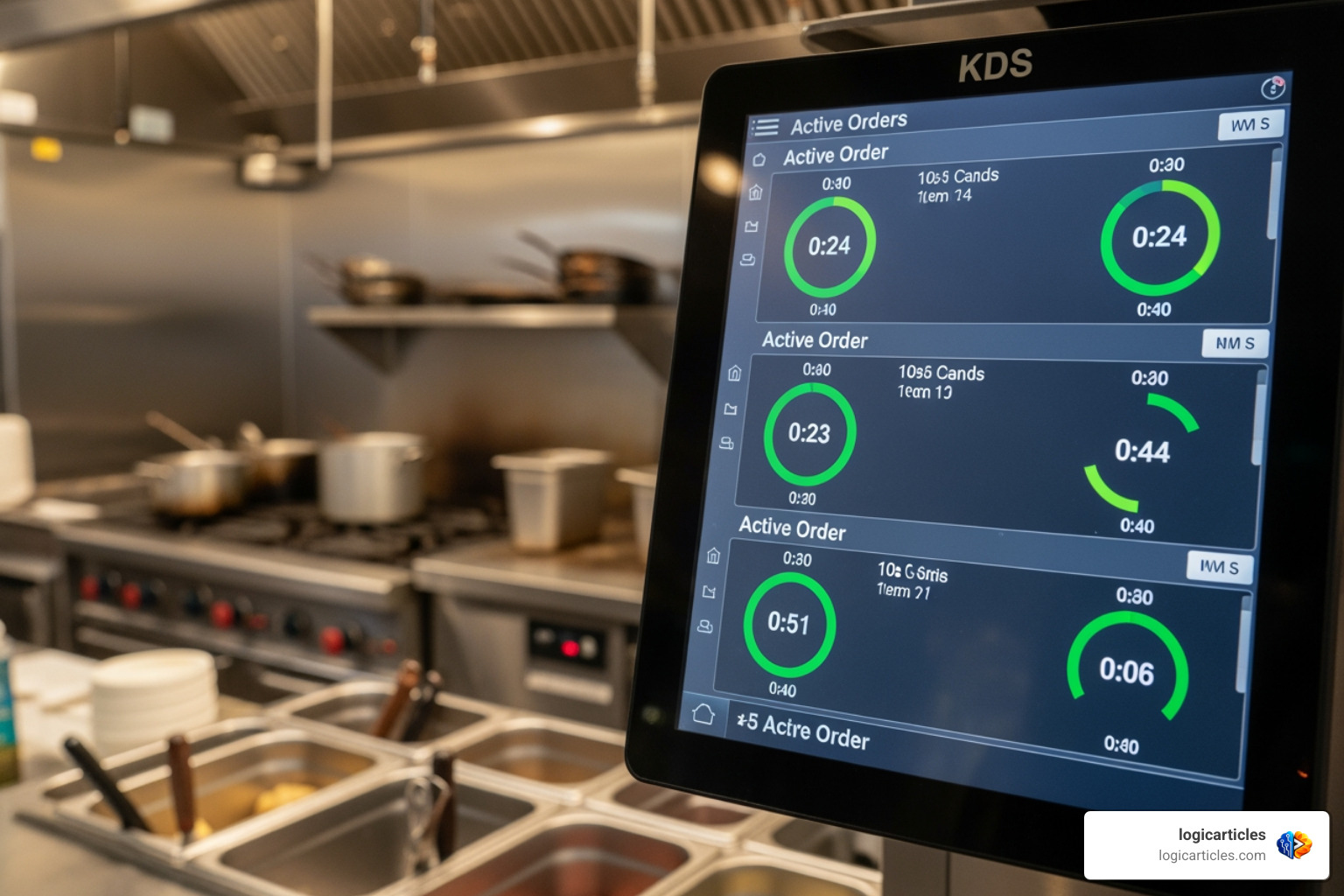
The rise of delivery-only brands has birthed a need for specialized Optimizing cloud kitchen workflows. These systems aggregate orders from multiple delivery apps (like UberEats or DoorDash) into one single screen. This prevents kitchen staff from having to manage five different tablets, allowing them to focus on the food. Advanced systems also provide “ghost kitchen” analytics, helping owners understand which brands are performing best and which menu items should be cut to maximize efficiency.
Retail, Events, and Pop-Up Shops
For high-volume environments like sports stadiums or music festivals, cloud POS systems provide “event settlement” features. They are often hardware-agnostic, meaning a festival can rent 500 tablets for a weekend, run the software, and return them, only paying for what they used. This flexibility is also perfect for seasonal pop-up shops that only operate for a few weeks a year, as it eliminates the need for long-term hardware storage and maintenance.
Frequently Asked Questions about Cloud POS Software
How does cloud POS software handle offline functionality?
One of the biggest fears business owners have is: “What happens if the internet goes out?”
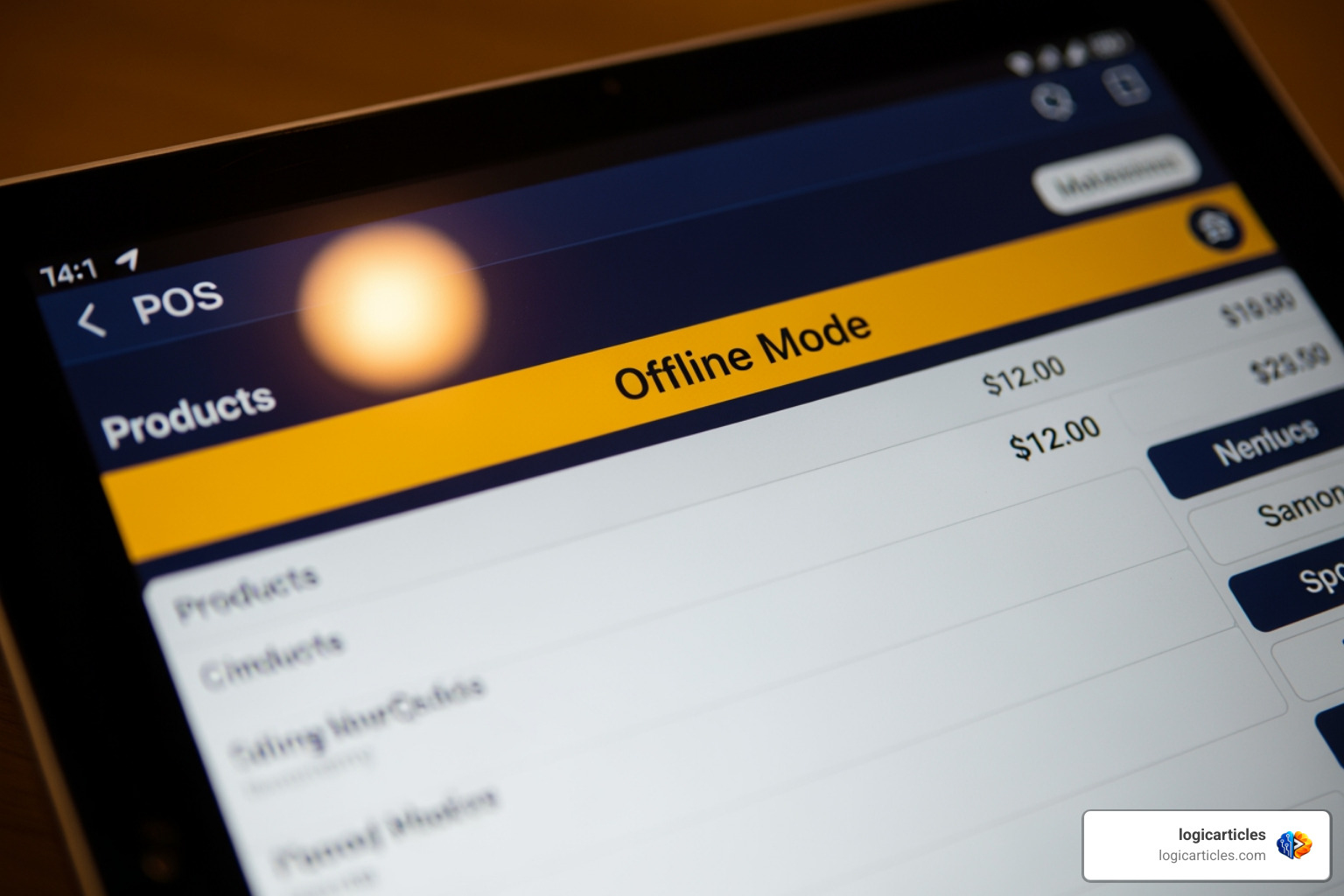
Modern cloud pos software is built with a “fail-safe” or “offline mode.” When the connection drops, the system stores transaction data locally on the device (tablet or terminal). It continues to process credit card payments (using “store and forward” technology) and prints receipts. Once the internet is restored, the system automatically triggers a data sync to the cloud, ensuring your records are updated without any manual intervention. This ensures that a temporary ISP outage doesn’t result in a total loss of revenue.
What are the pricing models for cloud POS software?
Most providers have moved away from the massive upfront costs of the 90s. Instead, you’ll find:
- Subscription Fees: Usually ranging from $20 to $200+ per month depending on the complexity and number of registers.
- Flat Rates: Some providers offer a flat fee per transaction if you use their payment processing, which can be beneficial for low-volume businesses.
- Hardware-Agnostic Options: Many systems run on standard iOS or Android devices, allowing you to save money by using hardware you already own.
- Scalability: You can scale up during peak seasons (like the holidays) by adding temporary licenses and scale down during slower months, only paying for what you actually use.
Is my data secure in a cloud-based system?
Security is a paramount concern for any business handling sensitive financial information. Cloud POS providers invest millions in enterprise-grade security measures that far exceed what a small business could implement on a local server. This includes end-to-end encryption (E2EE), which ensures that credit card data is encrypted from the moment it is swiped until it reaches the processor. Furthermore, because data is stored in the cloud, a physical theft of your tablet or terminal does not mean a theft of your customer data, as nothing is stored permanently on the local device.
How does cloud POS integrate with existing systems?
Integration is the “secret sauce” of the cloud. Through robust APIs, your POS can talk to:
- Accounting Tools: Automatically push daily sales totals to software like Xero or QuickBooks, saving hours of manual data entry.
- E-commerce: Keep your physical and digital storefronts in perfect inventory sync to avoid overselling.
- Marketing & CRM: Sync customer email addresses and purchase history to your email marketing platform to send personalized deals based on actual buying habits.
- PMS: For hotels, integrating the POS with the Property Management System is essential for seamless guest billing and improved service.
Conclusion
The transition to cloud pos software is no longer a luxury for forward-thinking businesses; it is a necessity for staying competitive in 2026. By moving your operations to the cloud, you gain more than just a way to take payments—you gain a real-time window into your business’s health and a platform for sustainable growth.
At logicarticles, we believe in using logic-driven insights to choose the right tools for growth. The data generated by a cloud POS is a goldmine for marketers and business owners alike, providing the clarity needed to make informed decisions rather than relying on gut feeling. Whether you are a small boutique, a bustling cloud kitchen, or a multi-national hotel chain, the right cloud POS will reduce your manual workload, secure your data, and provide a better experience for your customers.
Digital transformation doesn’t have to be daunting. By focusing on scalability and integration, you can build a tech stack that grows with you, ensuring that your business remains agile in an ever-changing marketplace. The logic is clear: the more integrated your systems are, the more efficient your business becomes.