Why Understanding Testing in Zillexit Software Can Save Your Business

What is testing in Zillexit software is one of the most important questions any business owner or CTO should ask before deploying or updating this platform.
Here’s the short answer:
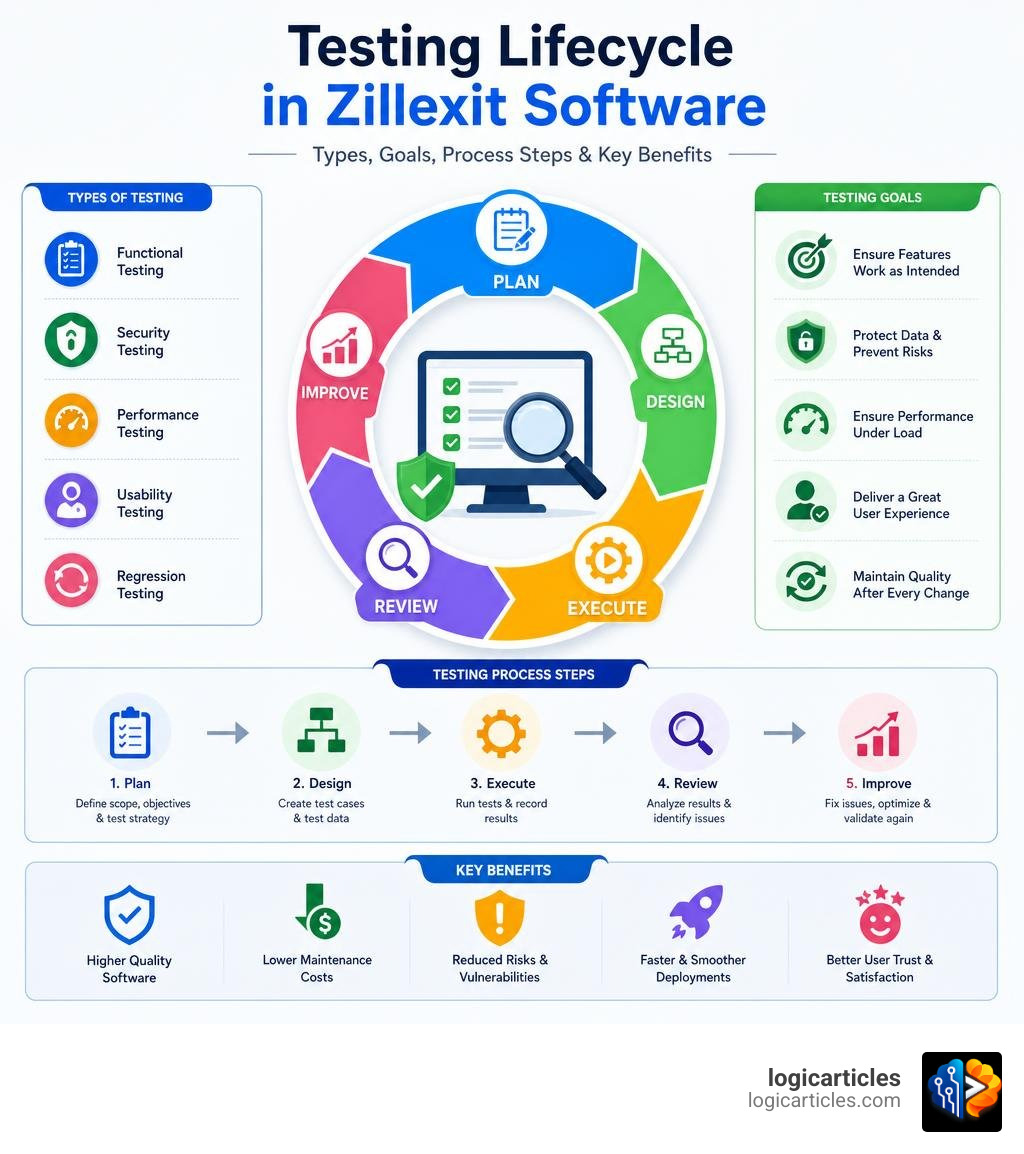
Testing in Zillexit software is a structured, multi-stage process of evaluating the software to find and fix bugs, security vulnerabilities, and performance issues before they reach real users.
The key things it covers:
- Functional testing — verifying every feature works as intended
- Security testing — identifying vulnerabilities that could expose sensitive data
- Performance testing — ensuring the software holds up under heavy workloads
- Usability testing — confirming real users can navigate and use the system effectively
- Regression testing — making sure new updates don’t break existing functionality
Now, why does this matter so much?
Imagine a critical data transfer during a business transition suddenly fails mid-process. Customer records get corrupted. Payroll outputs the wrong numbers. A financial module error ripples into inventory and CRM data. These aren’t hypothetical edge cases — they’re the exact scenarios that thorough testing is designed to prevent.
The stakes are real. Research shows testing can catch up to 80% of defects before software ever reaches users. Early bug detection can also cut maintenance costs by as much as 40% compared to fixing problems after launch.
Zillexit software handles complex, tightly integrated business operations — which means a flaw in one module can cascade across the entire system. Testing isn’t optional here. It’s the difference between a smooth deployment and a 3 a.m. production crisis.
What is Testing in Zillexit Software?
To truly grasp what is testing in Zillexit software, we must look beyond generic debugging. In the Zillexit ecosystem, testing is a systematic, platform-specific evaluation process. Rather than simply scanning lines of code for syntax errors, it validates that your custom workflows, data migration rules, and platform configurations operate in perfect harmony.
When we deploy applications on this platform, we must ensure they meet predefined quality standards. If you want to dive deeper into the fundamental definitions, you can Learn more about what is testing in Zillexit software or read this alternative perspective on What Is Testing In Zillexit Software – doayods.com. Additionally, you can explore the technical breakdowns provided in the article What is Testing in Zillexit Software – qagenesis.com.
At its core, testing here is about ensuring predictability. Zillexit acts as a central hub for business transitions. Therefore, testing ensures that when data moves from point A to point B, it arrives intact, secure, and formatted correctly.
Defining the Core Purpose of Zillexit Software
Zillexit is not just a single utility; it is a comprehensive suite designed to manage complex business operations. It integrates several critical business modules, including:
- Financial Management: Handling payroll, transaction ledgers, and tax calculations.
- Customer Relationship Management (CRM): Tracking customer journeys, sales pipelines, and support tickets.
- Inventory Management: Monitoring stock levels, supply chains, and order fulfillment.
- Human Resources (HR): Managing employee records, performance evaluations, and onboarding workflows.
Because these modules are tightly integrated, an error in one area can easily trigger a domino effect. For instance, a minor CRM bug could corrupt the customer ID format, which then disrupts inventory records, ultimately breaking the financial reporting module. This level of cross-dependency is why we categorize Zillexit as high-stakes business software. To understand how this fits into the broader software ecosystem, you can read More info about productivity software.
Understanding What is Testing in Zillexit Software Environments
One of the most unique aspects of Zillexit is how it handles customization. Unlike traditional software where developers write thousands of lines of custom code from scratch, Zillexit relies heavily on declarative configuration. This means you define what should happen (rules, triggers, and schemas) through a visual interface or structured configuration files, and the system handles the execution.
Consequently, testing in Zillexit is primarily about intent validation. Instead of worrying if a custom loop has a memory leak, we test whether the configured business logic matches the organization’s intent.
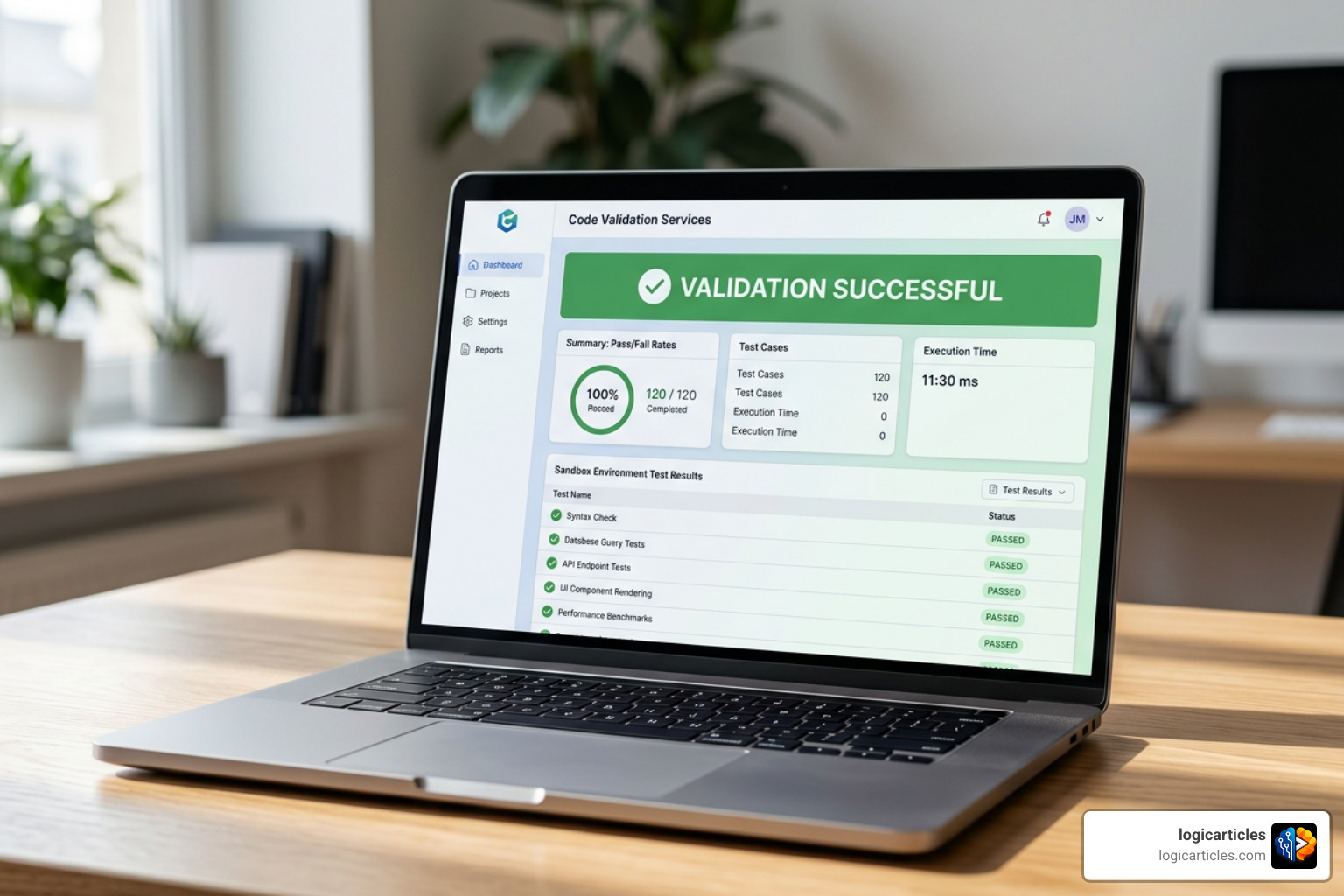
To achieve this safely, we use sandbox environments. A Zillexit sandbox is an isolated, versioned runtime environment that mirrors your live production database and configurations without putting real data at risk. This allows us to run extensive end-to-end simulations, test schema constraints, and check API limits safely. For a detailed look at how these environments behave, Read the guide on testing in Zillexit software.
Why Testing is Critical for CTOs and Business Owners
For executive leadership, testing is often viewed as a cost center—a bottleneck that slows down deployments. However, experienced CTOs and business owners in 2026 know that skipping comprehensive testing is a massive financial risk.
When software fails in production, the costs are not just technical; they are operational, legal, and reputational. A single data leak can violate strict compliance standards, leading to heavy fines. To prevent these disasters, it is vital to align your testing processes with modern security protocols. You can Discover cybersecurity software requirements to see how robust QA mitigates these risks.
The Business Value of Proactive Quality Assurance
Proactive quality assurance (QA) means building testing into the development lifecycle from day one, rather than treating it as an afterthought. This strategy yields massive business benefits:
- Dramatic Cost Savings: Industry data shows that finding and resolving a bug during the design or development phase is significantly cheaper than fixing it after launch.
- Reduced Project Delays: Organizations that implement structured testing processes report a 30% decrease in project delays during software updates.
- Protection of Intellectual Property and Assets: When working with external vendors or custom integrations, ensuring the software meets exact specifications is critical. To safeguard your business continuity during these transitions, we highly recommend setting up a Software Escrow Agreement.
- Enhanced User Retention: Glitchy software frustrates employees and clients alike. Smooth, bug-free workflows lead to a 40% increase in user satisfaction.
For specialized industries, this proactive approach is even more critical. You can see how these rigorous standards are applied in high-consequence environments by reading our guide on Medical Device Software Testing.
Key Goals and Benefits of What is Testing in Zillexit Software
When we execute a testing strategy inside Zillexit, we focus on four primary goals:
- Quality Control: Ensuring every update or custom workflow performs exactly as expected without degrading existing features.
- Compliance Assurance: Verifying that financial data handling, HR records, and customer privacy protocols align with regional legal standards (such as GDPR or CCPA).
- Performance Optimization: Making sure the software remains responsive, even during peak operational hours when hundreds of users are active simultaneously.
- Continuous Improvement: Using test results to identify bottlenecks in business workflows, allowing us to streamline operations over time.
To see how other businesses structure these goals, Check out the Zillexit testing guide.
Core Testing Types and Step-by-Step Process

To build a reliable QA strategy, we must combine different testing types. Relying solely on one method leaves blind spots. Below is a comparison of how manual and automated approaches balance each other out within the Zillexit ecosystem:
| Testing Metric | Manual Testing in Zillexit | Automated Testing in Zillexit |
|---|---|---|
| Execution Speed | Slow (dependent on human testers) | Extremely Fast (seconds to minutes) |
| Accuracy | Prone to human fatigue and oversight | 100% consistent and repeatable |
| Ideal Use Case | Usability, exploratory, and ad-hoc testing | Regression, smoke, and load testing |
| Setup Effort | Low (can start testing immediately) | High (requires writing scripts/configs) |
| Scalability | Hard to scale without hiring more staff | Highly scalable across multiple sandboxes |
The Four Testing Layers of Zillexit
Effective testing in Zillexit is structured across four distinct layers. Each layer acts as a filter, catching specific types of errors before they pass to the next level:
- Schema Validation: This layer checks the structure of your data. It ensures that fields do not accept invalid inputs (e.g., preventing a
NULLvalue in a mandatory email field) and that data types remain consistent across modules. - Workflow Logic Testing: Here, we verify that conditional triggers perform correctly. For example, if an invoice status changes to “Paid,” does the system automatically update the inventory and send a confirmation email?
- Integration Contract Testing: Zillexit frequently communicates with third-party APIs (like payment gateways or shipping providers). Contract testing ensures that data payloads sent to and received from these external APIs match the expected formats.
- End-to-End (E2E) Scenario Testing: This mimics a complete real-world business process. A tester or automation script will log in, create a customer profile, place an order, run a payroll calculation, and generate a financial report, ensuring the entire loop works flawlessly.
To understand how to configure these layers in your local environments, Read about how to test Zillexit software.
Step-by-Step Testing Process and Essential Tools
We follow a structured, six-step process to run tests within Zillexit:
[Requirement Analysis] ➔ [Test Planning] ➔ [Test Case Design] ➔ [Test Execution] ➔ [Defect Retesting] ➔ [Continuous Monitoring]
- Step 1: Requirement Analysis: We review the business goals of the Zillexit implementation to understand what “working” actually means for the business.
- Step 2: Test Planning: We define the scope, resources, timelines, and the specific sandbox environments we will use.
- Step 3: Test Case Development: We write detailed, repeatable test scripts. This includes setting up mock data variables (like
testleadnameinstead of random placeholders likex1). - Step 4: Test Execution: We run our automated suite and conduct manual exploratory tests. We utilize tools like Selenium and TestComplete for UI automation, Postman for API testing, and Jira for bug tracking.
- Step 5: Defect Retesting: Once developers fix a logged bug, we run the test again to verify the fix works and execute regression tests to ensure nothing else broke.
- Step 6: Continuous Testing & Monitoring: We integrate testing into our CI/CD pipelines using Jenkins, allowing automated tests to run every time configuration changes are committed.
Overcoming Common Testing Challenges
Testing complex business platforms comes with unique hurdles. Here is how we overcome them:
- Unexpected Bugs & Time Pressures: We use risk prioritization. We rank test cases based on their business impact, testing critical financial and payroll workflows first.
- Cross-Platform Compatibility: Zillexit must work across various web browsers, operating systems, and mobile devices. We use virtualization and cloud-based testing grids to simulate different user environments instantly.
- Data Accuracy and Migration Issues: Migrating legacy databases into Zillexit often causes formatting errors. We solve this by running dedicated pre-migration validation checks and utilizing mocking and stubbing to isolate complex integration points during testing.
How User Feedback Shapes the Testing Lifecycle
No automated script can perfectly predict how a human will interact with software. That is why we actively collect user feedback through analytics, embedded forms, and surveys.
If real-world users report that a specific checkout flow feels confusing, we feed that data back into our QA loop. This feedback is used to update our usability test cases, ensuring our continuous testing cycles evolve alongside actual user behavior.
Frequently Asked Questions about Zillexit Testing
How often should Zillexit software be tested?
Testing should be continuous. While minor configuration changes can rely on automated regression checks inside your CI/CD pipeline, comprehensive system-wide testing should occur before every major software update, platform migration, or when integrating new third-party APIs.
What is the difference between general testing and Zillexit testing?
General testing often focuses on code execution, syntax, and unit-level software performance. Zillexit testing, however, is focused on intent and declarative configuration. It validates complex business workflows, multi-module integrations, and schema rules within isolated sandboxes. To understand more about the differences between physical and logical system layers, you can Compare firmware vs software.
Can small businesses benefit from automated testing in Zillexit?
Absolutely. While small businesses may not need massive enterprise test suites, setting up basic automated regression and smoke tests using tools like Selenium can save dozens of hours of manual work, prevent costly operational errors, and yield a massive return on investment.
Conclusion
Mastering what is testing in Zillexit software is the ultimate way to safeguard your business transitions, optimize operational workflows, and protect your bottom line. As we move through 2026, the future of QA lies in integrating AI and machine learning for predictive test analysis, expanding cloud-based testing environments, and shifting security testing earlier into the development lifecycle.
By adopting a proactive, multi-layered testing approach, we can turn software deployments from stressful, unpredictable events into smooth, routine business updates.
Ready to optimize your business systems with the most reliable technology platforms? We invite you to explore our curated guides and Find the best software solutions to elevate your business today!