The Best Rental Property Software at a Glance (June 2026)
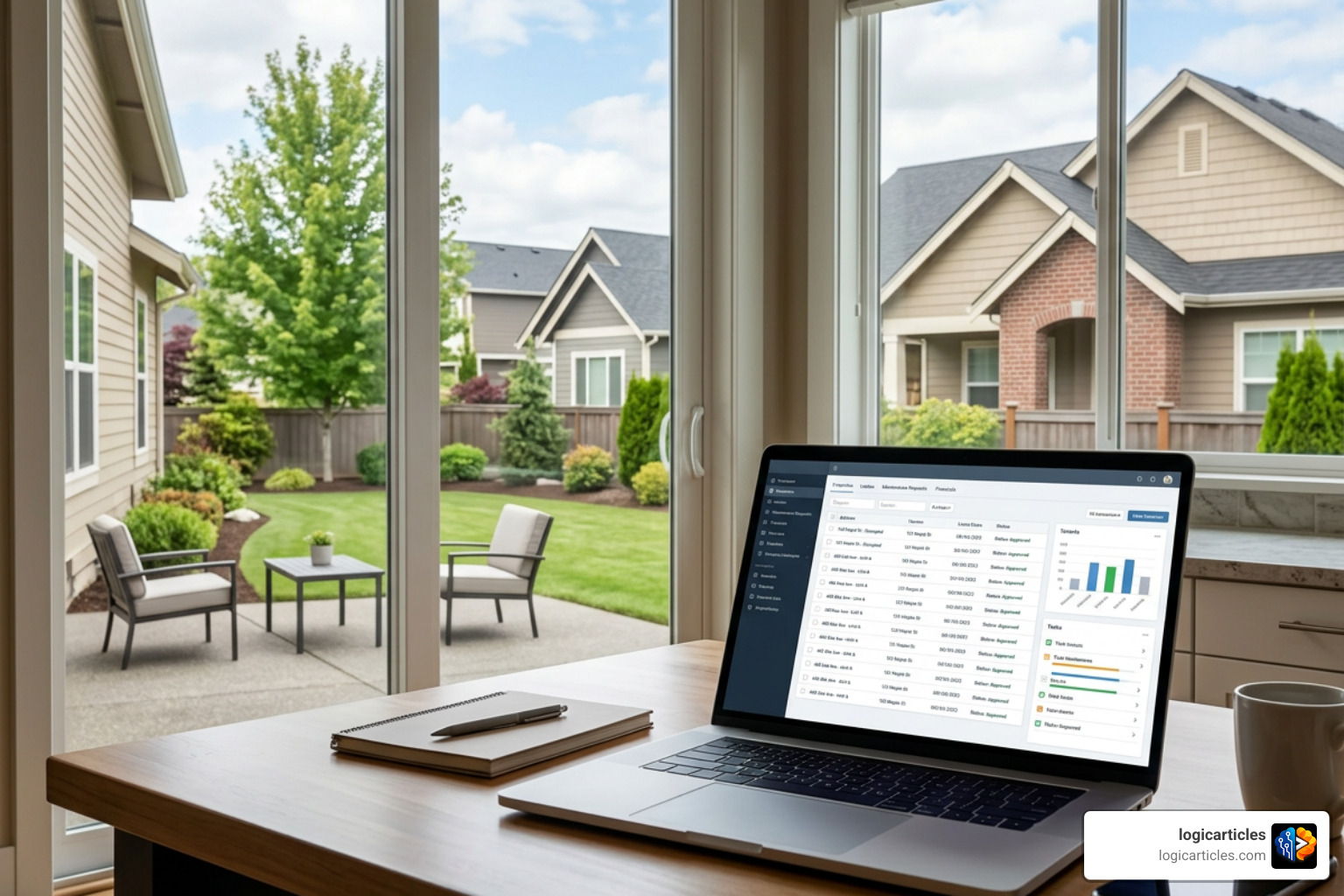
Finding the best rental property software can save landlords dozens of hours every month — here’s a quick look at the top options:
| Platform | Best For | Free Plan? | Starting Price |
|---|---|---|---|
| TurboTenant | Small landlords, leads generation | Yes | Free (Premium ~$10/mo) |
| Avail | DIY landlords, Realtor.com integration | Yes | Free ($9/unit for Plus) |
| TenantCloud | All-in-one, growing portfolios | Yes (trial) | $15/mo |
| Innago | Simple, no-fee management | Yes | Free |
| Buildium | Mid-to-large portfolios | No | $58/mo |
| AppFolio | Large portfolios (50+ units) | No | Custom |
| Rentec Direct | DIY landlords, US-based support | No | $45/mo |
| DoorLoop | Ease of use, sleek design | No | $69/mo |
| Rentora | AI-powered automation | No | Custom |
Managing rental properties manually is exhausting. Tracking payments on spreadsheets, chasing late rent by text, juggling maintenance calls — it adds up fast.
Landlords who switch to dedicated software report saving up to 20 hours per week compared to manual processes. That’s not a small number. That’s time back in your life.
But with dozens of platforms on the market — ranging from completely free to $1,000+ per month — picking the right one is genuinely confusing.
Should you go free or paid? What features actually matter? Which tool fits a 2-unit portfolio versus a 200-unit one?
This guide cuts through the noise. We’ve compared the top platforms on pricing, features, ease of use, and who each one is actually built for.
What is Rental Property Management Software?
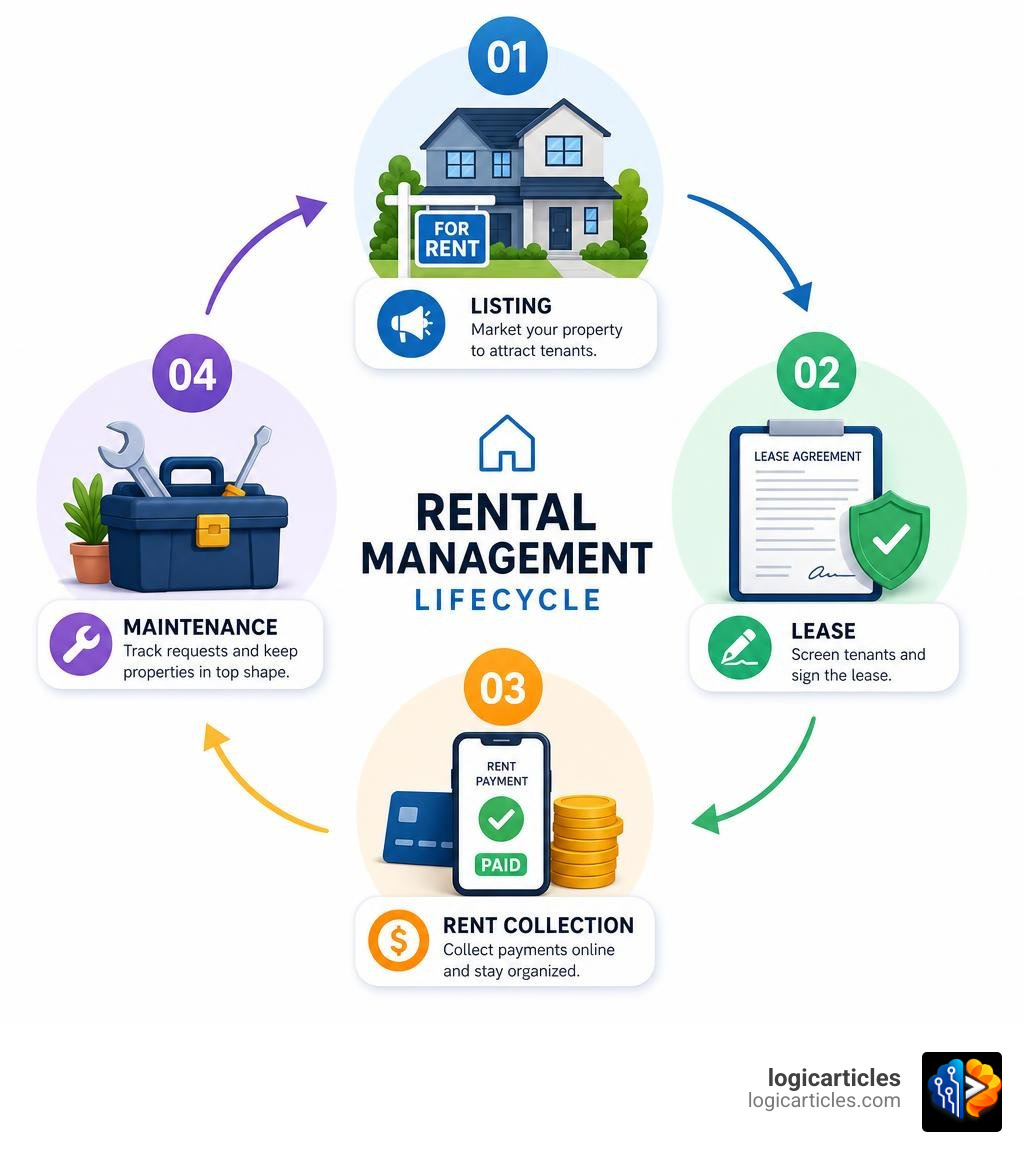
At its core, rental property management software is a centralized digital hub designed to replace your messy spreadsheets, paper folders, and fragmented text threads. It acts as an operational bridge between landlords, property managers, tenants, and service professionals. Instead of using separate tools for marketing, screening, drafting leases, collecting rent, and tracking taxes, these platforms consolidate everything into a single, cohesive workflow.
By automating repetitive tasks, the software minimizes human error and reduces the friction that often sours landlord-tenant relationships. For example, rather than sending manual rent reminders every month, the platform automatically alerts your tenants, calculates late fees if they miss the deadline, and deposits the funds directly into your bank account.
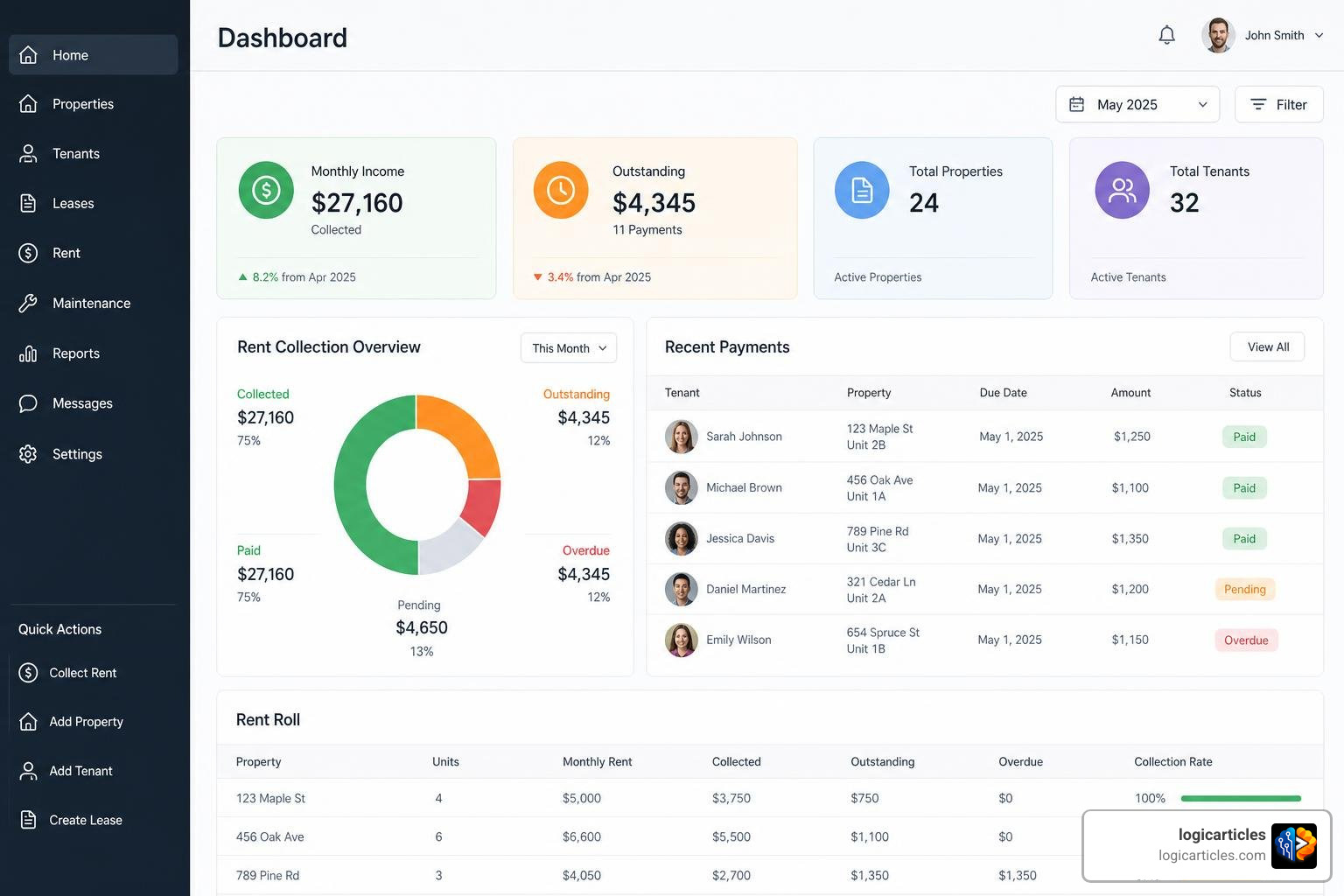
Furthermore, using centralized software ensures that all communication is timestamped and documented. If a dispute arises about a late payment or a maintenance delay, you have a complete digital paper trail. This level of organization is crucial for scaling your business and maintaining legal compliance. If you are looking to oversee broader investments beyond individual rentals, you can also explore our guide on the Best Real Estate Portfolio Management Software In 2026.
Why DIY Landlords Need the Best Rental Property Software
Many independent landlords assume that property management software is reserved for massive apartment complexes or professional management firms. This is a common misconception. In fact, do-it-yourself (DIY) landlords with small portfolios often have the most to gain from automation.
When you are managing properties alongside a full-time job, every minute counts. Manual processes — like driving to pick up physical checks, cross-referencing bank statements, and playing phone tag with plumbers — quickly turn real estate investing into a stressful second job.
By leveraging the best rental property software, DIY landlords can:
- Save Significant Time: Automating rent tracking and accounting can reclaim hours of administrative work each week.
- Professionalize Their Business: Providing tenants with online portals and digital leases makes you look like a polished, professional operator.
- Optimize Rental Income: Setting up automatic late fees and regular rent analysis ensures you are not leaving money on the table. For advanced financial optimization across your entire business, you might also want to check out the Best Revenue Management Software In 2026.
Free vs. Paid Property Management Software
When evaluating your options, you will find that the market is divided into free (freemium) platforms and paid subscription models. Understanding how “free” software actually works is essential before signing up.
Most free property management platforms are not running a charity; instead, they shift the operational costs to your tenants. They do this by charging tenants fee-based transaction models, such as:
- Screening Fees: The applicant pays directly for their credit and background checks (typically $30 to $55).
- Payment Processing Fees: While ACH bank transfers are sometimes free, tenants are charged convenience fees (often 2% to 3.5%) if they choose to pay rent via debit or credit card.
- Premium Tenant Services: Some platforms offer optional credit-building services to tenants for a small monthly fee.
The Pros and Cons of Free Software:
- Pros: Zero overhead for the landlord; access to core features like listings, basic screening, and rent collection without any monthly subscription costs.
- Cons: Limited customization; slower payment processing times (FastPay often requires a paid upgrade); and potential friction if your tenants dislike paying transaction fees.
The Pros and Cons of Paid Software:
- Pros: Waived ACH fees for tenants; faster deposit speeds; customizable lease agreements; priority customer support; and advanced accounting features like bank reconciliation.
- Cons: Monthly subscription costs that scale with your unit count, which can eat into your cash flow if you only manage one or two units.
Key Features to Look For in the Best Rental Property Software
To find the best rental property software for your specific business model, you should focus on the core features that eliminate your daily bottlenecks.
Tenant Screening and Lease Agreements
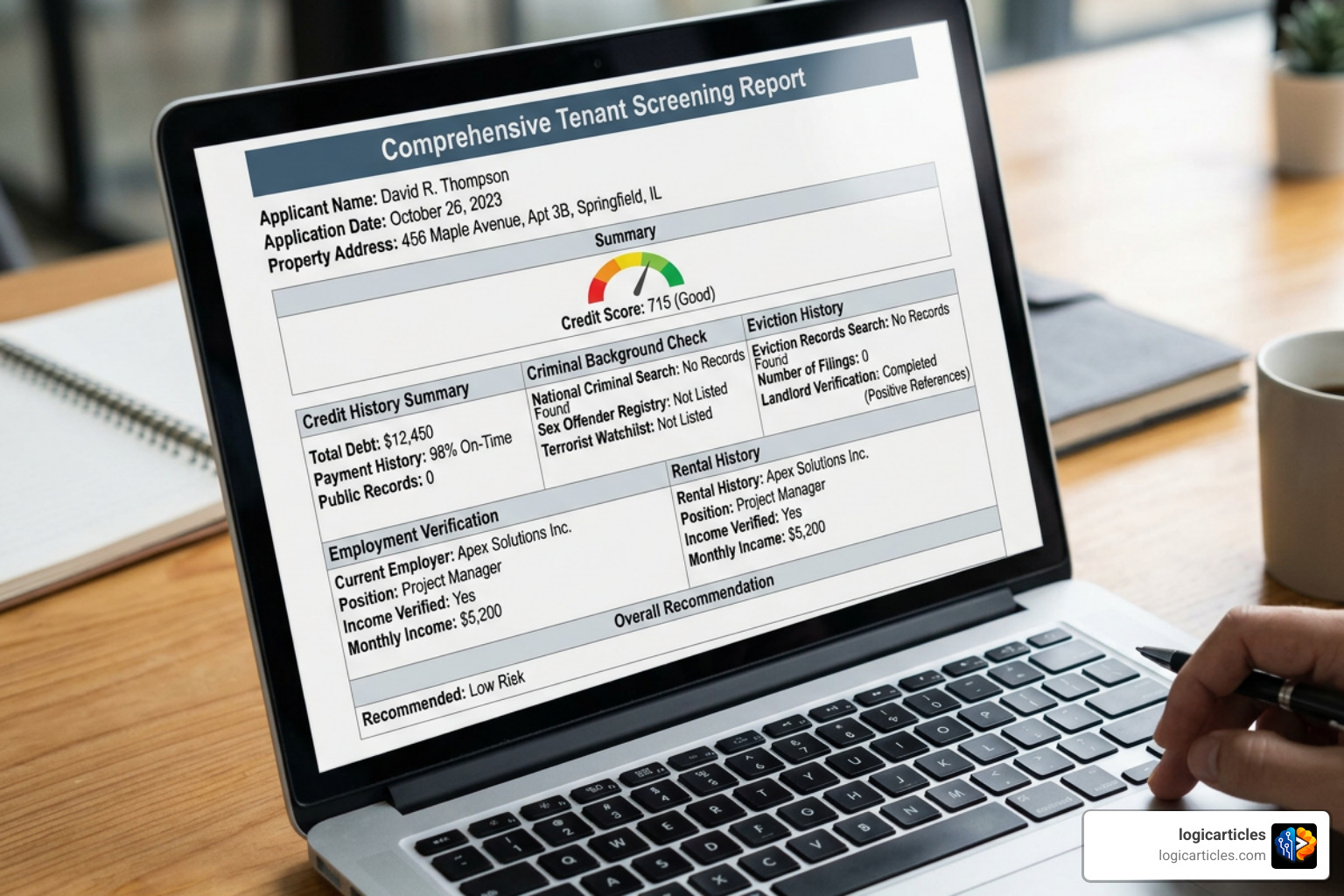
Finding the right tenant is the single most important step in protecting your investment. The best platforms offer automated screening tools that partner with major credit bureaus to provide credit reports, criminal background checks, and nationwide eviction histories with up to 99.9% accuracy.
Once you find a qualified applicant, you need a legally binding lease. Rather than using generic templates found online, platforms like Avail | Landlord Software & Property Management Software for Rental Property Management provide lawyer-reviewed, state-specific lease templates. These templates automatically update to comply with local landlord-tenant laws, allowing you and your tenant to sign digitally from any device.
Online Rent Collection and Financial Tracking
Chasing physical paper checks should be a thing of the past. Modern rental software allows tenants to pay via ACH, debit cards, or credit cards. In fact, statistics show that 66.09% of tenants prefer paying rent digitally when given the option.
By utilizing auto-pay features, landlords can reduce late payments by up to 90%. When payments are made, the software automatically updates your digital ledger. Platforms like Property Management Software Built for Landlords | TenantCloud go a step further by offering built-in accounting suites that track expenses, organize receipts, and generate tax-ready reports (including automated 1099-K generation) to make tax season completely stress-free.
Top Rental Property Management Platforms Compared
To help you compare the top contenders, we have put together a detailed breakdown of their pricing, target audiences, and stand-out features.
| Platform | Pricing Structure | Key Strengths | Best Suited For |
|---|---|---|---|
| TurboTenant | Free core tier; $149/yr for Premium | Excellent lead generation, fast listings | Budget-conscious DIY landlords |
| Avail | Free core tier; $9/unit/mo for Plus | State-specific leases, fast applications | Independent landlords wanting legal protection |
| TenantCloud | Starts at $15/mo (billed annually) | Robust accounting, service pro portals | Growing portfolios and small teams |
| Rentec Direct | Starts at $45/mo | Unlimited US-based support, cash payment network | Landlords valuing hands-on support |
| Rentora | Custom pricing | Autonomous AI maintenance and collections | Hands-off landlords wanting automation |
| Bidrento | Custom pricing | Commercial/residential hybrid, ESG tracking | Mixed portfolios and professional managers |
How to Choose the Best Rental Property Software for Your Portfolio
Selecting the right platform depends heavily on your portfolio size, property type, and management style.
If you are a mobile-first landlord who manages operations entirely from a smartphone, you will want a platform built specifically for mobile screens. For instance, Rentalize 360 | Mobile-First Platform for Landlords is designed to let you check rent statuses, coordinate repairs, and execute digital leases directly from your phone, reducing your weekly administrative work from hours down to minutes.
On the other hand, if you manage a mix of single-family homes, commercial office spaces, or multi-family buildings, a simple residential tool will not cut it. You will need a platform that supports complex lease structures, utility billing, and detailed financial tracking.
Advanced Solutions for Growing and Commercial Portfolios
For professional property managers and landlords scaling past 50 units, basic DIY tools can feel limiting. This is where advanced, high-performance platforms come into play.
If you are managing larger or highly diverse portfolios, look into specialized options:
- Rentec Direct: Platforms like Landlord Software | Rentec Direct® #1 Rated offer robust trust accounting, tenant portals, and a cash-payment network that allows tenants to pay rent in cash at over 20,000 retail locations.
- Bidrento: For those managing mixed portfolios, The Best Property Management Software and Tenant App – Bidrento provides an all-in-one system for both commercial and residential spaces, featuring automated billing, utility cost allocation, and modern ESG reporting.
- Rentora: If you want to put your properties on autopilot, Rentora – Property Management Platform utilizes autonomous AI agents to handle tenant communication, coordinate maintenance issues with local contractors 24/7, and automatically monitor local rent control compliance.
(Note: If you run a diversified real estate business, you might also find our reviews of the Best Construction Financial Management Software or the Best Nonprofit Financial Management Software helpful for organizing your broader corporate finances.)
Frequently Asked Questions About Rental Software
Is there actually free property management software for landlords?
Yes, several platforms offer completely free core tiers for landlords. Tools like TurboTenant, Avail, and Innago do not charge landlords monthly subscription fees for basic features. Instead, they monetize their platforms by charging tenants for background screening reports or digital payment processing fees.
How does rental software handle maintenance requests?
Most modern rental platforms feature dedicated tenant portals. When an issue arises (like a leaky faucet), the tenant uploads photos and a description through their app. The landlord is instantly notified and can assign the work order directly to a saved contractor. Some advanced platforms even use AI to diagnose the issue and coordinate with local plumbers or technicians automatically.
Can small landlords use this software for just one or two units?
Absolutely! In fact, using software for just one or two units is the best way to keep your business organized from day one. It establishes a professional boundary with your tenants, ensures you never lose a receipt for tax season, and makes it incredibly easy to scale your portfolio when you are ready to buy your next property.
Conclusion
At the end of the day, the best rental property software is the one that fits your current portfolio size, aligns with your budget, and solves your biggest operational headaches. Whether you choose a free, tenant-funded platform like Avail, a robust all-in-one system like TenantCloud, or an advanced AI-driven platform like Rentora, moving away from manual processes is the single best decision you can make for your sanity and your bottom line.
By automating the busywork, you can focus on what actually matters: finding great deals, maintaining your properties, and building strong relationships with your tenants.
To find more reviews and expert guides on the top business tools for your growing company, check out our comprehensive Best Software Categories page. If you are also managing corporate finances or looking to scale your business operations, explore our guide on the Best Cfo Software Tools For Small Business.