The Cyber Threat Landscape Is Getting Worse — Here’s What You Need to Know
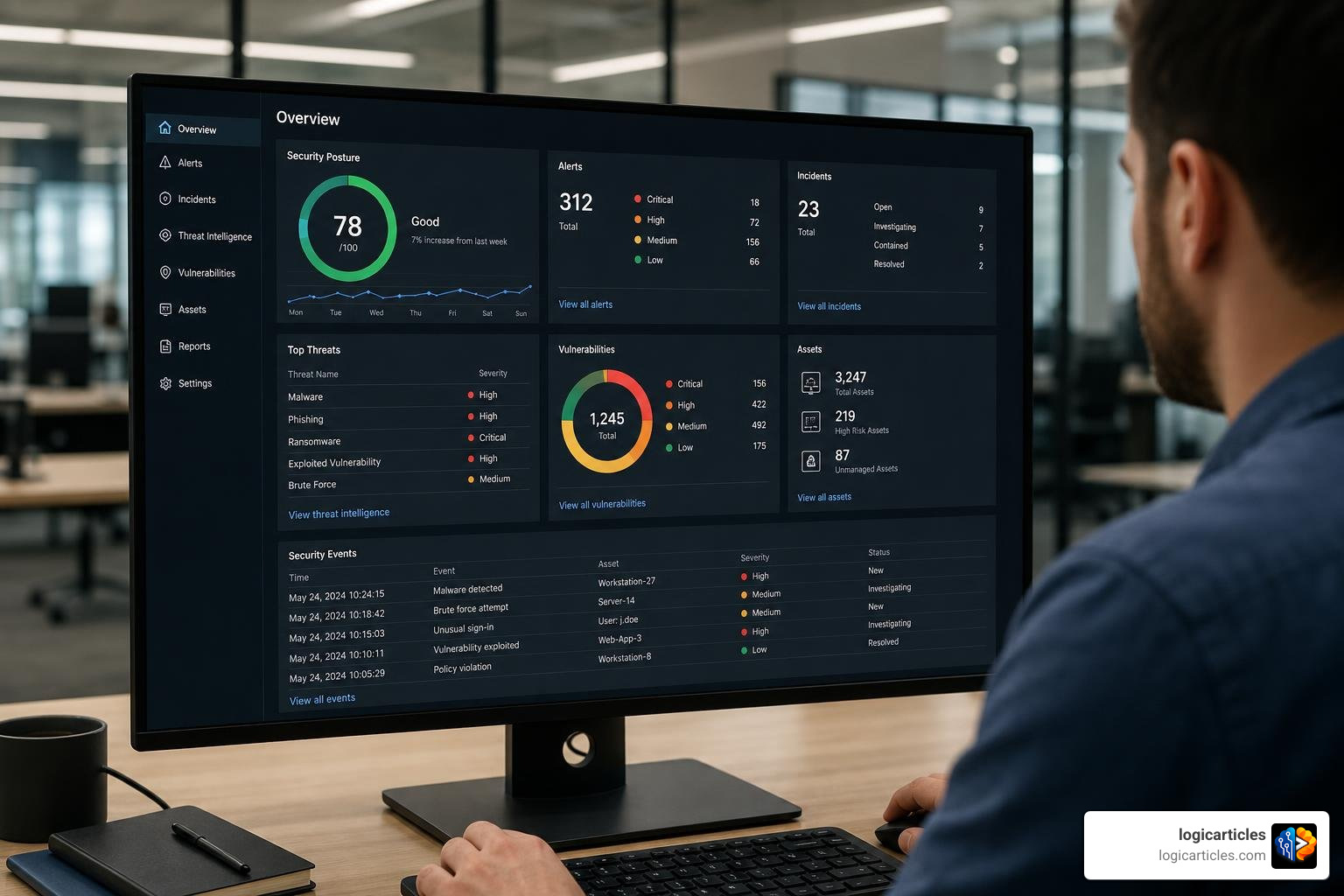
What are cybersecurity software wbsoftwarement is a question that covers two related ideas: the tools used to protect digital systems, and the requirements needed to implement those tools effectively.
Here’s the short answer:
Cybersecurity software = digital programs that detect, prevent, and respond to cyber threats. Wbsoftwarement = the software and hardware requirements needed to deploy those tools correctly.
The main categories of cybersecurity software are:
- Endpoint protection — defends individual devices from malware and intrusions
- Network security — monitors and controls traffic across your infrastructure
- Cloud security — protects data and apps hosted in cloud environments
- Identity and access management (IAM) — controls who can access what
- Threat detection and response (SIEM/EDR/XDR) — spots and contains active attacks
- Governance, risk, and compliance (GRC) — keeps you aligned with regulations like GDPR
The numbers make the stakes clear. Global cybercrime damages are on track to exceed $10 trillion annually. The average data breach costs $4.45 million. And even organizations with security tools in place took an average of 277 days to identify and contain a breach.
That last stat is the real problem. Most companies aren’t failing because they have no security software. They’re failing because they have too many disconnected tools they can’t actually manage.
This guide cuts through the noise. You’ll learn what each type of cybersecurity software does, what you need to run it, and how to build a stack that works together — not against you.
What Are Cybersecurity Software Wbsoftwarement?
To understand modern digital defense, we must first unpack the underlying terminology. When technical teams and business leaders ask what are cybersecurity software wbsoftwarement, they are looking for a complete framework. It is not just about installing an antivirus application and calling it a day.
Instead, it represents a structured approach to identifying digital assets, modeling potential threats, and deploying the exact software requirements needed to keep those assets safe. In the cybersecurity world, we look at this through the lens of continuous risk management.
Before we write a single line of defense or purchase a software license, we must perform threat modeling. This is the process of building mock attack scenarios to identify system vulnerabilities before real hackers do. By understanding who might attack our software, what data they want, and how they might get in, we can build a proactive security architecture that stops attacks in their tracks.
Core Definitions of Cybersecurity Software Wbsoftwarement
At its core, cybersecurity software refers to any computer program designed to influence information security. This includes offensive tools used for authorized penetration testing, but it primarily refers to defensive tools built to protect digital assets.
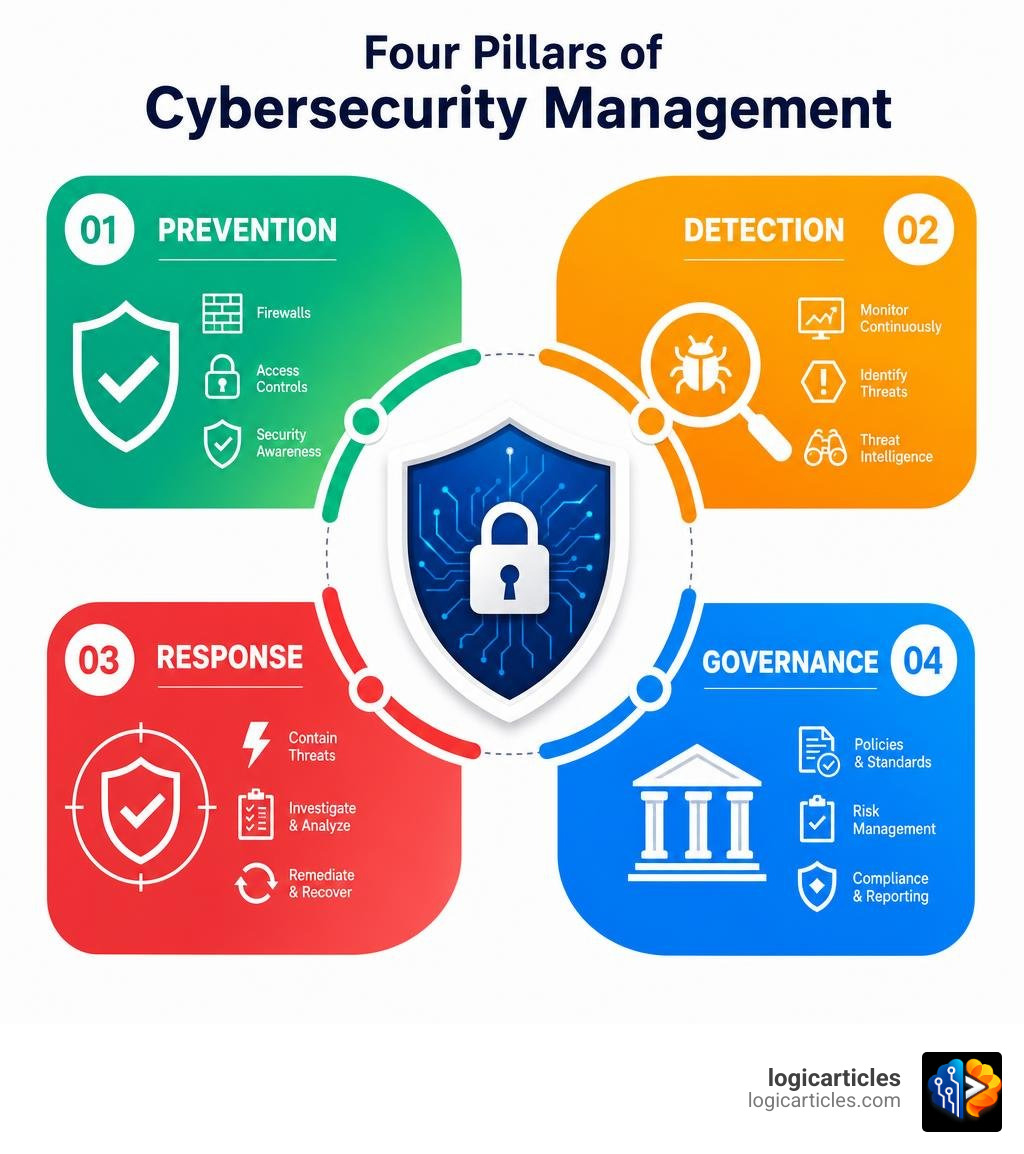
According to the foundational resources at What Are Cybersecurity Software Wbsoftwarement – wbsoftwarement.com, these defensive tools are generally divided into four core functional categories:
- Prevent Access: Tools like firewalls and access control systems that keep unauthorized users out.
- Regulate Access: Identity management systems that ensure authorized users can only see the data they need to do their jobs.
- Monitor Access: Logging and security monitoring tools that track who is doing what across the network.
- Block or Remove Malware: Antivirus and endpoint detection software that neutralizes malicious files.
The “wbsoftwarement” side of the equation refers to the technical specifications, system compatibility, and management practices required to make these tools run smoothly. Without meeting these software and hardware requirements, even the most expensive security tool becomes useless shelfware.
Traditional Security Tools vs. Modern Cybersecurity Software Wbsoftwarement
In the early days of computing, security was relatively simple. We built a strong perimeter — usually a basic firewall and a signature-based antivirus tool — and assumed everything inside our network was safe.
But in 2026, the perimeter is dead. With remote work, SaaS applications, and cloud environments, employees access company data from anywhere. Modern cybersecurity software has evolved from passive perimeter defense to proactive, Zero Trust architectures that verify every single request, regardless of where it comes from.
| Feature | Traditional Security Tools | Modern Cybersecurity Software |
|---|---|---|
| Primary Philosophy | Trust but verify (Perimeter-based) | Never trust, always verify (Zero Trust) |
| Detection Method | Signature-based (Looks for known threats) | Behavioral analysis & AI (Looks for anomalies) |
| Response Type | Manual alerts (Requires human action) | Automated orchestration & response (SOAR) |
| Deployment | On-premise servers | Cloud-native & hybrid environments |
| Integration | Standalone, siloed tools | Unified platforms with robust APIs |
Just as we use the Best Startup Growth Tools for 2026 to scale our business operations seamlessly, we must use modern security software that integrates directly into our existing tech stack to prevent management bottlenecks.
Key Types of Cybersecurity Software and Their Functions

To build a balanced defense, we need to understand the different types of security software available. We cannot protect our systems with a single tool; we must deploy a multi-layered defense-in-depth strategy.
Endpoint Protection and EDR/XDR
Every laptop, smartphone, server, and IoT device connected to our network is an endpoint — and every endpoint is a potential entry point for hackers. Endpoint Protection Platforms (EPP) have evolved far beyond the simple antivirus software of the past.
Today, we rely on Endpoint Detection and Response (EDR) and Extended Detection and Response (XDR). Instead of simply scanning files for known malware signatures, EDR tools continuously monitor system behavior in real-time. If a laptop suddenly starts running unusual PowerShell scripts or attempts to encrypt files at 2 AM, the EDR tool automatically isolates the device from the network to prevent the threat from spreading.
These platforms generate massive amounts of telemetry data. Organizations often feed this data into the Best Big Data Analytics Tools in 2026 Ranked by Performance to spot complex, slow-moving attack campaigns that might bypass standard security filters.
Cloud Security, CSPM, and CNAPP
As businesses undergo rapid cloud migrations, they often find that traditional security tools do not translate to cloud environments. Cloud security software is designed specifically to protect virtualized infrastructure, APIs, and cloud-native applications.
Two critical software categories in this space are Cloud Security Posture Management (CSPM) and Cloud Native Application Protection Platforms (CNAPP). These tools scan our cloud environments (like AWS, Azure, or Google Cloud) to identify misconfigurations — such as an open S3 bucket containing sensitive customer data — and automatically remediate them before they can be exploited. They also ensure our cloud setups comply with strict data loss prevention (DLP) policies and industry standards like SOC 2 or ISO 27001.
Identity and Access Management (IAM) and Zero Trust
If the perimeter is dead, identity is the new perimeter. Identity and Access Management (IAM) software acts as the gatekeeper for our digital ecosystem.
IAM solutions enforce the principle of least privilege, ensuring that employees only have access to the specific resources required for their roles. Modern IAM goes beyond static passwords by implementing:
- Multi-Factor Authentication (MFA): Requiring multiple forms of verification (like an authenticator app and a fingerprint) before granting access.
- Role-Based Access Control (RBAC): Automatically assigning permissions based on job titles and departments.
- Context-Based Access: Evaluating security risk in real-time. For example, if an employee logs in from New York, and then attempts to log in from London 10 minutes later, the system will automatically block the attempt and trigger an alert.
Technical Requirements and Implementation Strategies
Deploying cybersecurity software is not as simple as clicking “install.” To ensure these systems run effectively without crashing our infrastructure, we must carefully evaluate their technical requirements and integration capabilities.
Hardware Specifications and System Compatibility
Before purchasing any security tool, we must verify that our current systems meet the necessary software and hardware requirements. Running heavy EDR agents on outdated hardware can lead to severe performance degradation, frustrated employees, and bypassed security controls.
According to the technical guide on What Are Cybersecurity Software & Requirements?, organizations must evaluate several key compatibility criteria before deployment:
- Operating System Compatibility: Ensure the software supports all OS versions in your fleet (Windows, macOS, Linux, iOS, Android).
- RAM and CPU Overhead: EDR and monitoring agents should ideally use less than 1-2% of CPU and minimal RAM during normal operations.
- Network Bandwidth: Cloud-managed security tools continuously upload telemetry data. We must ensure our network bandwidth can handle this traffic without slowing down critical business operations.
- API Integration Capabilities: The software must feature open APIs so it can easily feed data into our centralized monitoring tools.
Integrating Security into the Secure Software Development Lifecycle (SSDLC)
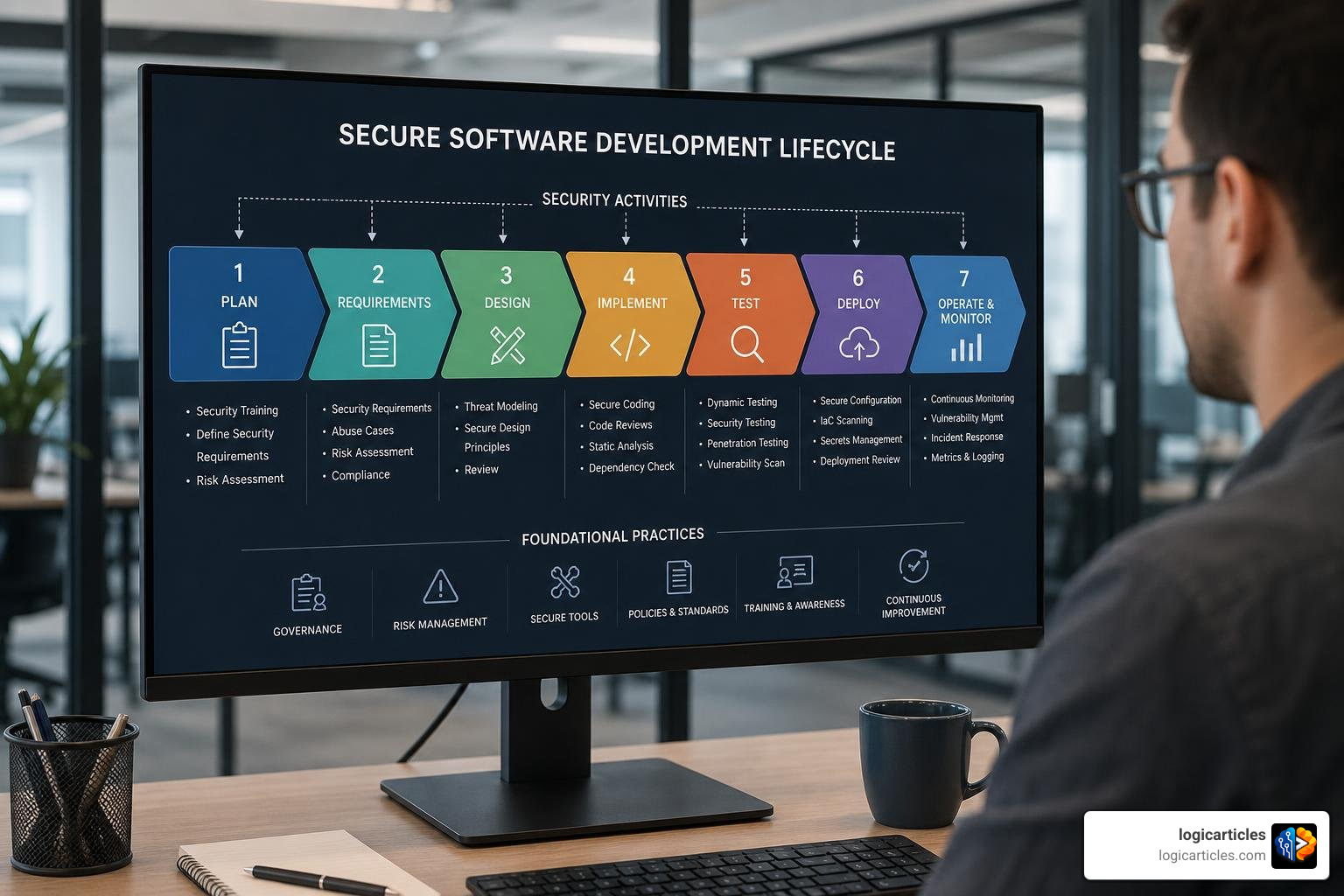
For businesses that build their own software, security cannot be a post-launch afterthought. Treating security like a “final exam” right before launch leads to incredibly expensive fixes and delayed releases. Instead, we must practice “Shift-Left” security by integrating the Secure Software Development Lifecycle (SSDLC) into our development pipelines.
Systems built with a secure architecture from the very beginning have 60% fewer vulnerabilities than those that attempt to patch security flaws after deployment. This means we must run Static Application Security Testing (SAST) tools while our developers are writing code, perform Software Composition Analysis (SCA) to check open-source libraries for known vulnerabilities, and run Dynamic Application Security Testing (DAST) in our staging environments before going live.
Defending Against Modern Threats and Managing the Stack
Cybercriminals are highly organized, often operating like legitimate software enterprises. Over 8,000 cyberattacks happen every single day globally, targeting organizations of all sizes. To defend our businesses, we need to understand how cybersecurity software mitigates modern threat vectors.
Mitigating Ransomware, Phishing, and Zero-Day Attacks
Modern cyber threats are highly sophisticated, relying on a mix of social engineering and automated exploits.
- Phishing and Social Engineering: Because 74% of data breaches involve the human element, email security software is our first line of defense. These tools use natural language processing (NLP) to analyze incoming emails for suspicious language, blocking phishing attempts before they ever reach an employee’s inbox.
- Ransomware and Automated Bots: Ransomware often enters systems through unpatched software vulnerabilities or automated credential stuffing attacks. Vulnerability management software helps us scan our systems daily, prioritize critical patches, and deploy them automatically.
- Zero-Day Exploits: Zero-day threats are brand-new vulnerabilities that software vendors haven’t patched yet. Traditional antivirus tools can’t stop them because there is no known signature. Modern behavioral-based EDR tools, however, can identify the unusual system behaviors associated with a zero-day exploit and shut it down immediately.
As highlighted in Why Cybersecurity Matters Wbsoftwarement – wbsoftwarement.com, a single unpatched SQL injection or API vulnerability can lead to an entire customer database being scraped in minutes. Continuous patch management and proactive monitoring are non-negotiable for survival in 2026.
Evaluating Solutions and Avoiding Hidden Management Costs
One of the biggest traps we see businesses fall into is buying too many security tools. Running dozens of disconnected security products that don’t talk to each other creates a massive management burden. It leads to “alert fatigue,” where security teams are so overwhelmed by thousands of daily notifications that they miss the actual, critical threat.
When evaluating new tools, we should use the principles outlined in the Software Guide Wbsoftwarement for Beginners and focus on integration. We should prioritize tools that support a “single pane of glass” dashboard, allowing our team to monitor our entire security posture from one place.
For a deeper dive into streamlining your corporate tools, check out our guide on Software Stack Management in 2026 to learn how to keep your technology efficient, integrated, and cost-effective.
Evaluating Cybersecurity Software for Investors and Decision-Makers
The cybersecurity market is incredibly resilient. Even during economic downturns, security spending remains high because a single data breach can completely destroy a company’s reputation and financial stability. For investors and corporate decision-makers, evaluating cybersecurity software vendors requires looking past marketing hype to focus on real performance metrics.
Key Financial and Performance Metrics
When analyzing cybersecurity companies or choosing a vendor for an enterprise-grade contract, we rely on a specific investment framework. As discussed in the investment guide Which Cybersecurity Stock to Buy Wbsoftwarement, we must look at the metrics that actually prove a software’s market viability and customer satisfaction:
- Annual Recurring Revenue (ARR) Growth: Shows whether the vendor is successfully winning new market share in highly competitive verticals.
- Net Retention Rate (NRR): An NRR over 120% indicates that existing customers are highly satisfied with the product and are actively expanding their usage over time.
- The Rule of 40: A key SaaS metric where a company’s combined growth rate and profit margin should equal or exceed 40%. This balances rapid expansion with financial stability.
Frequently Asked Questions about Cybersecurity Software
What is the difference between antivirus and EDR?
Traditional antivirus software relies on signature detection, meaning it can only block known threats that have been identified and cataloged in a database. Endpoint Detection and Response (EDR) uses behavioral analysis and machine learning to monitor system activity in real-time. This allows EDR to detect and mitigate brand-new, sophisticated threats (like zero-day attacks) even if no signature exists.
Why is cybersecurity software management so critical for SMBs?
Many small business owners believe they are too small to be targeted by hackers. In reality, 61% of cyberattacks target small and medium-sized businesses. SMBs are often targeted because they have weaker security postures than large enterprises, making them easy prey for automated attack bots. A single ransomware attack or data breach can result in massive financial loss and operational downtime that many SMBs cannot recover from.
How does AI impact cybersecurity software in 2026?
In 2026, AI is a double-edged sword. Hackers are using generative AI to write highly convincing phishing emails and automate exploit generation. Fortunately, defensive security tools are also leveraging AI for automated threat hunting, natural language log analysis, and predictive vulnerability scoring. This allows security teams to respond to attacks in milliseconds rather than hours. To learn more about how AI is reshaping technology, explore our list of AI Tools You Should Know in 2026.
Conclusion
Building a strong security posture is not a one-time project; it is an ongoing commitment. By understanding what are cybersecurity software wbsoftwarement and focusing on integration, compatibility, and proactive threat modeling, we can protect our digital assets from increasingly sophisticated cyberthreats.
Do not wait for a breach to occur before auditing your security stack. Start evaluating your tools, identifying vulnerability gaps, and building a cohesive, manageable defense system today.