The Best Price Optimization Software at a Glance (May 2026)
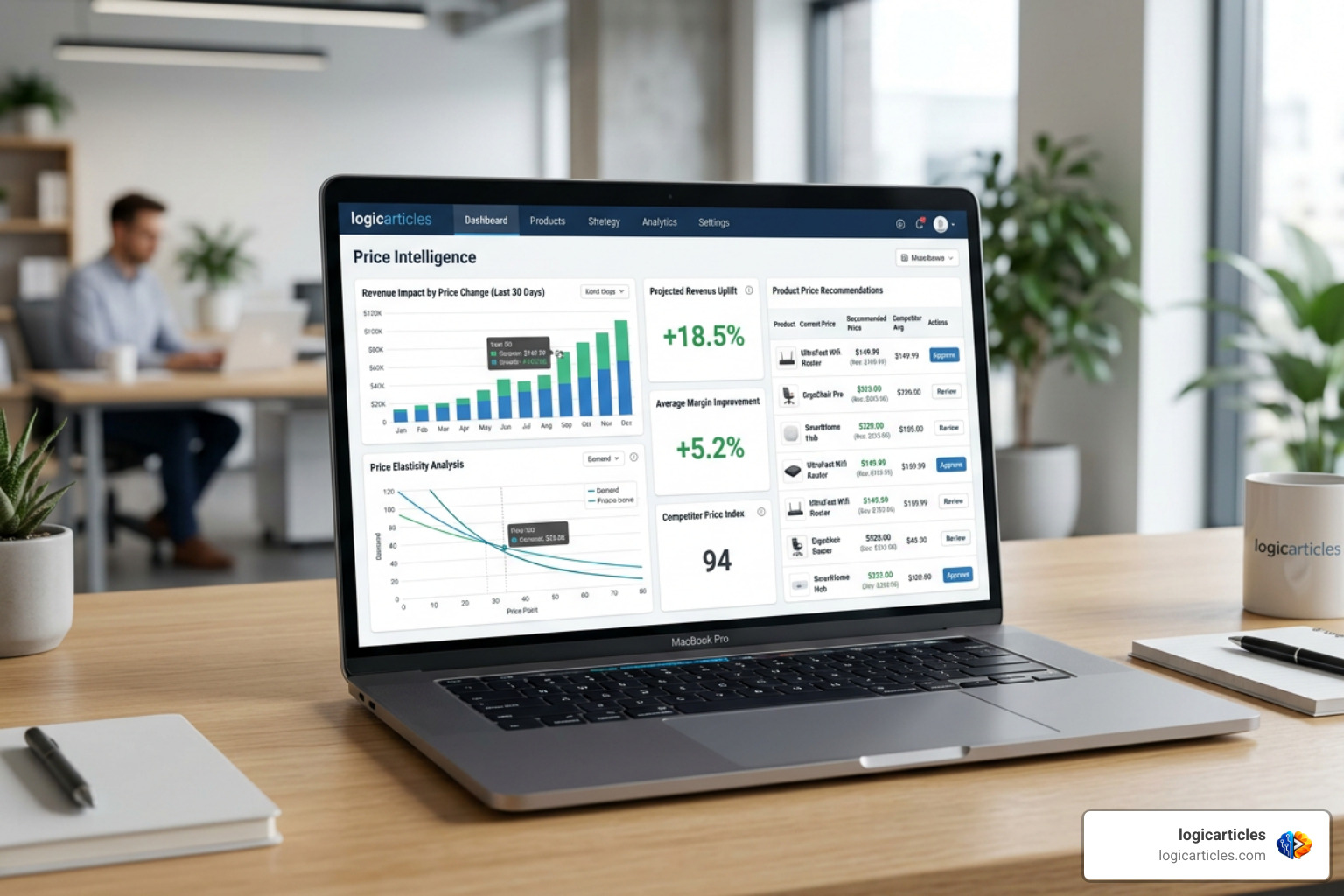
Price optimization software uses AI and data analytics to help businesses set the right price for every product, customer, and channel — automatically and at scale.
Here are the top solutions covered in this guide:
| Software | Best For | Key Strength |
|---|---|---|
| Vendavo | B2B manufacturers & distributors | Deal price guidance + price management |
| Vistaar SmartOptimizer | Enterprise B2B | Explainable AI + multi-objective optimization |
| Conga POM | Complex B2B industries | Neural network predictions + full lifecycle management |
| RELEX Solutions | Retail & franchise | Unified pricing + promotions platform |
| Pricen | Retail & eCommerce | Dynamic AI pricing + markdown automation |
| PROS | Manufacturing & tech | AI-powered quoting + competitive intelligence |
| Zilliant | Distribution & industrials | Price management + segmentation |
Pricing is one of the most powerful levers in any business. Yet most companies are leaving serious money on the table.
The average B2B company loses up to 36.88% of annual revenue due to suboptimal pricing practices. For a company generating $500M in revenue, pricing leakage alone can cost up to $25 million in margin every year.
The problem isn’t a lack of effort. It’s a lack of the right tools.
Most businesses still rely on spreadsheets, gut instinct, or their ERP system to manage pricing. These tools weren’t built for the complexity of modern pricing — thousands of SKUs, dozens of customer segments, shifting market conditions, and real-time competitive pressure.
That’s exactly where dedicated pricing software comes in. The best solutions go far beyond basic price lists. They analyze demand patterns, predict customer behavior, recommend deal-specific prices, and push updates across every sales channel — all in real time.
This guide compares the leading price optimization platforms available in 2026, so you can find the right fit for your business without spending weeks on research.
The Evolution of Pricing: Beyond Spreadsheets and ERPs
For decades, pricing was handled in quiet back offices. A team of analysts would pull historical sales data, plug it into massive Excel spreadsheets, apply a standard cost-plus markup, and email the resulting price lists to the sales team.
While this manual approach worked in a simpler era, today it is a recipe for margin erosion. Manual pricing is incredibly slow — often taking weeks to execute a single global price update. It also relies on incomplete data and struggles to account for real-time market shifts, competitor price changes, or localized demand.
When pricing is managed manually, sales teams also lose agility. Representatives are forced to guess customer price sensitivity, leading to inconsistent discounting and slow quote turnaround times.
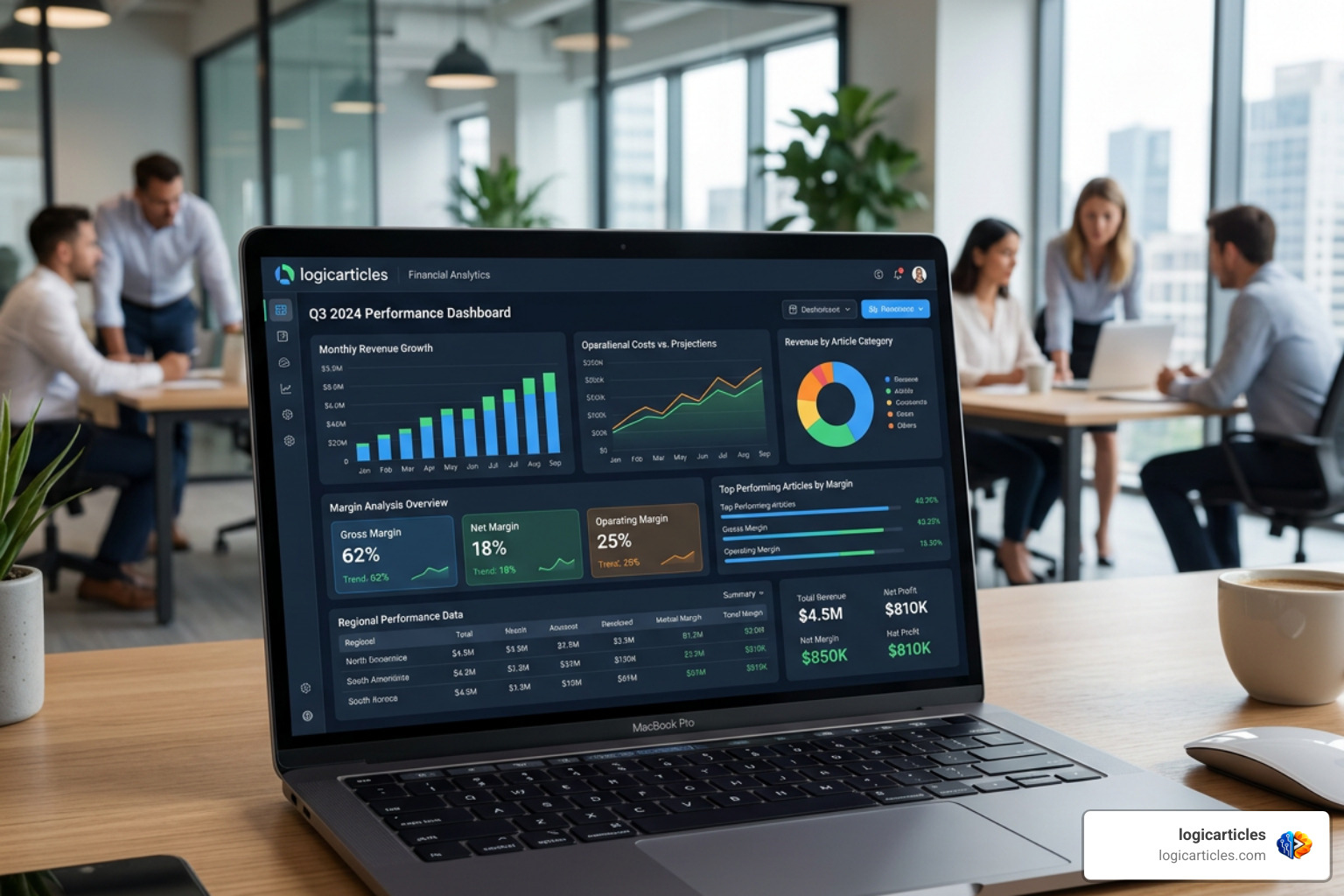
To solve this, many organizations turned to their Enterprise Resource Planning (ERP) systems. However, while ERPs and general financial tools like the Best CFO Software Tools for Small Business are excellent for tracking transactions, managing inventory, and recording general ledger entries, they lack the computational power and specialized architecture required to optimize pricing.
Why ERPs Fall Short of True Price Optimization Software
ERPs are designed to be transactional databases, not analytical engines. They are built to record what happened, not to predict what should happen.
Here is why relying on an ERP for pricing is a losing strategy:
- No Customer Behavior Modeling: ERPs do not understand price elasticity, customer willingness-to-pay, or purchasing patterns.
- Lack of Advanced Analytics: Traditional ERP systems cannot process complex external data signals, such as competitor price tracking, local weather patterns, or real-time commodity fluctuations.
- Static Price Rules: ERP pricing is rigid. It relies on hardcoded, rules-based logic (e.g., “Customer X gets 10% off SKU Y”) rather than dynamic, market-aligned adjustments.
To bridge this operational gap, companies require a dedicated pricing engine. As explored in The Missing Link to Successful Price Optimization – ClearDemand, true price optimization requires a dedicated mathematical framework that sits alongside your core transactional systems, translating complex market signals into actionable sales guidance.
The Cost of Suboptimal Pricing and Margin Leakage
When pricing strategies are disconnected from actual market demand, businesses suffer from “pricing leakage.” This is the quiet, gradual loss of margin through unmanaged discounts, freight giveaways, and outdated price agreements.
B2B enterprises with complex pricing structures lose between 3% and 5% of their total revenue annually to pricing leakage.
[List Price]
   |
   +---> [Standard Discount]
   | |
   | +---> [Negotiated Deal Discount] (Margin Leakage Point)
   | |
   | +---> [Off-Invoice Rebate] (Margin Leakage Point)
   | |
   | +---> [Pocket Price] (Actual Margin Retained)
Without dedicated software, companies also fall victim to price grooving — a behavioral trap where sales representatives repeatedly apply the exact same discount percentage (such as a flat 20% off) to secure deals quickly, regardless of whether the customer would have accepted a higher price.
To combat this, modern price optimization software uses waterfall charts and margin driver analysis to isolate the exact impact of price, volume, product mix, and cost changes. This level of visibility ensures that every step of the “price waterfall” — from the initial list price down to the final pocket margin — is completely transparent and controlled.
The Four Categories of Pricing Technology
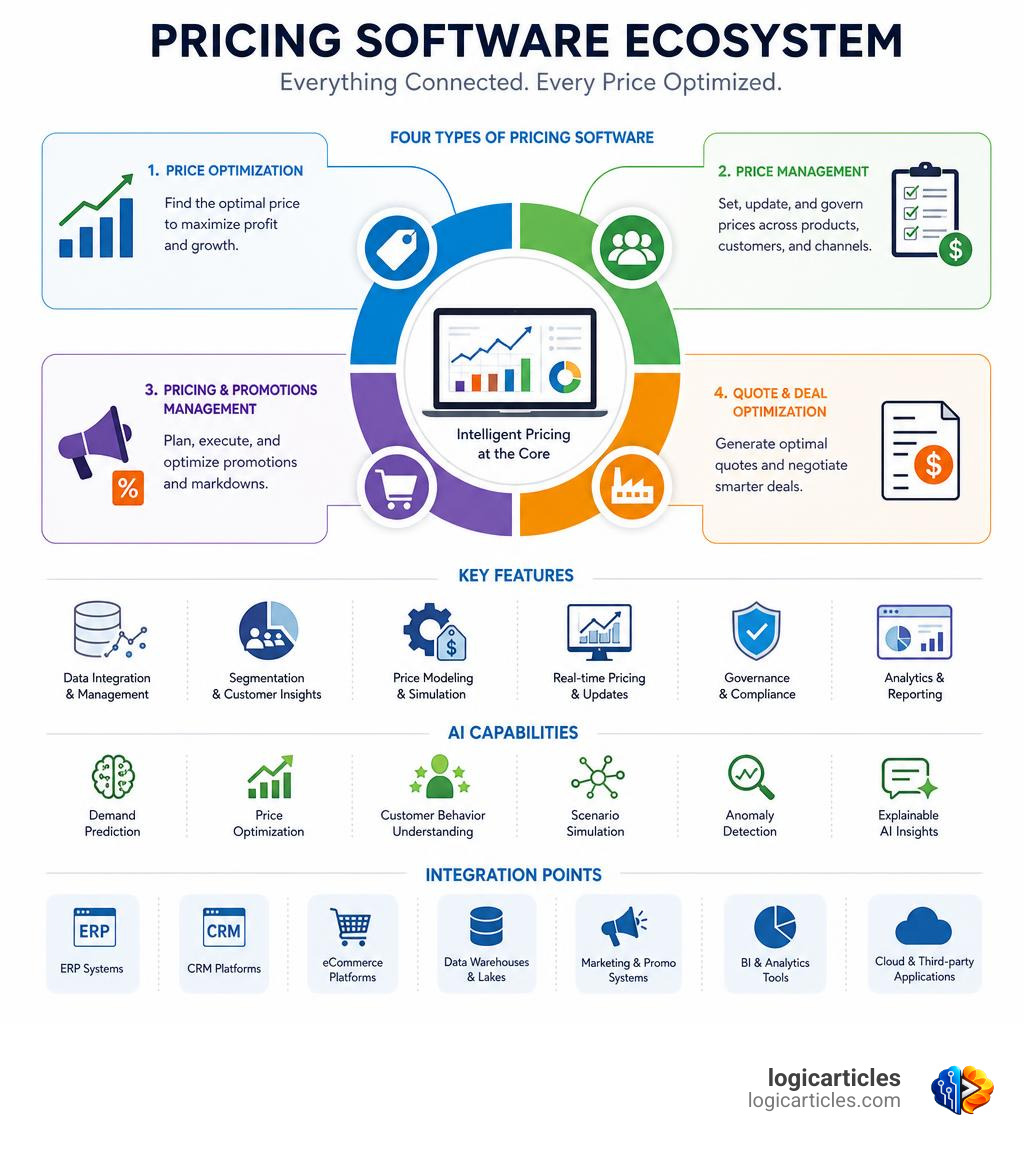
Pricing software is not a single, monolithic tool. The pricing technology ecosystem is divided into four distinct functional categories. Understanding these categories is critical to selecting the right solution for your business.

For organizations looking to process massive volumes of transactional data across these categories, pairing your pricing engine with the Best Big Data Analytics Tools in 2026 Ranked by Performance can provide unprecedented market clarity.
Pricing Analytics and Management Platforms
Pricing analytics and price management software serve as the operational foundation for any modern pricing strategy.
- Pricing Analytics: This software acts as a diagnostic tool. It ingests historical transaction data to identify margin leaks, highlight inconsistent pricing across customer accounts, and evaluate the historical performance of promotions.
- Price Management: Once you understand your pricing performance, management tools allow you to centralize and coordinate your strategy. Instead of maintaining disparate spreadsheets across different regional offices, price management tools create a single source of truth.
These platforms manage the four primary B2B price modes:
- List Prices: The baseline reference point for your products.
- Matrix/System Prices: Structured, grid-based pricing categorized by customer size and product group.
- Customer-Specific Prices: Contractual, account-specific pricing agreements.
- Override Prices: Ad-hoc, representative-driven pricing adjustments for individual transactions.
By centralizing these modes in a platform like Pricing Software – Pricepoint Price Management Software | Vendavo, businesses can maintain consistent global strategies while automating formula-based adjustments linked to live cost indexes.
Mandatory Capabilities of B2B Price Optimization Software
While price management tools help you organize your prices, price optimization software uses mathematical algorithms to calculate the ideal price point to maximize either margin or volume.
For enterprise B2B organizations, modern pricing software must include several mandatory capabilities:
- Dynamic Deal Guidance: Instead of forcing sales reps to negotiate blindly, the software provides real-time “deal envelopes” (typically displaying target, floor, and stretch prices) directly inside their quoting interface.
- Rebate Management: B2B companies frequently use off-invoice rebates to incentivize customer behavior. Modern profit optimization tools must model, track, and optimize these long-term rebate agreements to prevent margin double-dipping.
- CPQ and eCommerce Integration: Optimized prices are useless if they don’t reach the buyer. Modern pricing engines connect directly with Configure, Price, Quote (CPQ) tools and online storefronts.
By utilizing platforms like Price Optimization Software | Conga, back-office pricing teams can establish strategic guardrails, while front-line sales reps use CPQ interfaces to capture transactions seamlessly.
How AI and Machine Learning Drive Dynamic Pricing
The true differentiator of modern price optimization software is the application of Artificial Intelligence (AI) and Machine Learning (ML). Traditional rules-based engines rely on rigid “if-then” statements written by humans. AI-driven engines, however, learn continuously from live transaction data.
To see how these algorithms find ideal price points across hundreds of variables, you can watch this quick breakdown on How Machine Learning Finds Your Perfect Price Points – YouTube.
Neural Networks and Demand Forecasting
Setting prices in a vacuum is a recipe for failure. To find the optimal price, software must understand how changes in price will impact customer demand — a concept known as price elasticity.
Advanced systems utilize Deep Neural Networks to analyze non-linear data patterns across millions of distinct transactional touchpoints. These neural networks look at seasonality, current inventory levels, competitor pricing, and even macroeconomic signals like commodity indexes or inflation rates.
A key challenge with early AI pricing models was the “black box” problem — sales teams did not trust pricing recommendations because they couldn’t understand how the AI arrived at them.
Modern platforms solve this by using explainable AI frameworks like SHAP (SHapley Additive exPlanations) and LIME (Local Interpretable Model-agnostic Explanations). As demonstrated by Vistaar SmartOptimizer – Vistaar Technologies, Inc., these frameworks explicitly show sales reps the exact drivers behind every pricing recommendation, building commercial trust and accelerating software adoption.
Real-Time Dynamic Pricing and Execution
In fast-moving retail and digital B2B environments, prices cannot remain static. Dynamic pricing software automatically adjusts prices based on real-time market fluctuations, supply chain constraints, and competitive actions.
For omni-channel retailers, this technology is game-changing. Platforms like Pricen | AI-Driven Dynamic Pricing Software for Retail and Price Optimization Software | Pricen Software Solutions use reinforcement learning to continuously test and refine pricing strategies.
[Real-Time Inputs]
(Competitor Prices, Inventory, Demand)
 |
 v
[Reinforcement Learning Engine] <---> [Optimization Guardrails]
 | (Max/Min Price, Brand Image)
 v
[Instant Omnichannel Execution]
(eCommerce, Marketplaces, Digital Tags)
These self-learning models are highly sophisticated; they don’t just look at single SKUs in isolation. They account for product cannibalization (ensuring that a discount on one item doesn’t destroy the sales of a higher-margin alternative) and market basket affinity to maximize the total profitability of every transaction.
Evaluating Price Optimization Software: Key Selection Criteria
Selecting a pricing software partner is a major strategic decision. To help you evaluate your options, we have compiled a comparison matrix highlighting how different platforms align with specific organizational needs:
| Software Vendor | Primary Target Market | Core Strengths & Capabilities |
|---|---|---|
| Vendavo | Enterprise B2B Manufacturing, Distribution | Focuses heavily on deal price guidance, formula-based price management, and margin bridge analysis. |
| Vistaar Technologies | Large Enterprise B2B, Retailers | Offers highly configurable multi-objective optimization, explainable AI (SHAP/LIME), and native SAP integration. |
| Conga | Mid-Market to Enterprise B2B | Delivers end-to-end pricing lifecycle management, neural network optimization, and native CPQ/Contract integration. |
| RELEX Solutions | Retail, Grocery, & Franchises | Unifies pricing, promotions, and supply chain inventory planning into a single operational platform. |
| Pricen | Retail, eCommerce, Fashion | Specializes in real-time dynamic pricing, no-code SQL pricing functions, and automated markdowns. |
When evaluating these tools, especially if you operate physical retail locations, it is vital to ensure your pricing engine integrates natively with your point-of-sale systems, such as the Best Cloud POS Software in 2026.
System Integration and API Connectivity
A pricing engine is only as good as the data it receives and the channels it can influence. To achieve true dynamic pricing, your software must establish bidirectional, real-time data flows across your entire IT ecosystem.
+--------------+ +------------------------------+ +--------------+
|  ERP System  | <-> |  Price Optimization Software  | <-> |  CRM & CPQ   |
| (SAP, Oracle)|Data | (Central Engine) |Quotes| (Salesforce) |
+--------------+ +------------------------------+ +--------------+
Modern pricing engines connect to ERPs (such as SAP or Oracle) to pull product costs and historical transactions, and then push updated price lists back. Simultaneously, they connect to CRMs and CPQ tools (like Salesforce) to deliver instant deal guidance to sales reps during active negotiations, ensuring complete contractual compliance.
Business Model Alignment and ROI Metrics
When building a business case for price optimization software, the financial returns are incredibly compelling.
According to peer reviews and industry studies compiled on Best Pricing Optimization Software 2026 – TrustRadius, most enterprise implementations achieve:
- Gross Margin Improvements: A typical lift of 1% to 3% in overall gross margin.
- Reduction in Manual Labor: A 35%+ reduction in the manual labor required to manage price lists.
- Faster Quoting Cycles: Platforms like Vendavo’s Deal Price Optimizer enable 90% of quotes to go out within 4 hours, with 75% requiring zero manual pricing approvals.
- Rapid Payback: Many organizations report breaking even on their software investment within the first few months of deployment.
Frequently Asked Questions about Pricing Software
What is the difference between price management and price optimization?
Price management is about control, execution, and governance. It is a rules-based approach that helps you centralize price lists, apply standard discounting structures, and ensure that consistent prices are sent to all sales channels.
Price optimization, on the other hand, is about intelligence. It uses AI, machine learning, and statistical models to analyze customer behavior, market conditions, and price elasticity to calculate the mathematically ideal price to achieve your specific business goals (such as maximizing profit or market share).
How does price optimization software integrate with existing ERP and CRM systems?
Modern pricing software integrates using high-performance, bidirectional APIs. The pricing software pulls foundational data — such as product catalogs, cost structures, inventory levels, and historical invoices — from your ERP.
It then processes this data using AI models and pushes the optimized prices directly into your CRM, CPQ, or eCommerce platform. This ensures that when a sales rep generates a quote or a customer visits your website, they see the optimized price in real time.
What is the typical ROI of implementing pricing software?
Most businesses see a 1% to 3% improvement in their overall gross margins. For a mid-sized B2B company with $100M in revenue, even a conservative 1% margin lift translates to an extra $1M flowing directly to the bottom line annually.
Additionally, companies experience massive operational efficiency gains, often reducing the time spent on manual pricing administration by over 35% and cutting quote approval bottleneck times by up to 75%.
Conclusion
In 2026, relying on static spreadsheets or basic ERP rules to manage your pricing is no longer viable. The complexity of modern commerce demands an agile, intelligent, and automated approach.
Implementing dedicated price optimization software allows your organization to eliminate margin leakage, empower your sales team with real-time deal guidance, and instantly adapt to changing market dynamics. Whether you are a global B2B manufacturer, a high-volume distributor, or a digital retailer, setting the right price is the fastest way to unlock hidden profitability.
Ready to explore more enterprise technology reviews and strategic guides? Explore the Best Software Categories on logicarticles to find the perfect tools to optimize your business operations and drive profitable growth.